Loading Curie Briefs...
Getting the latest healthcare news for you
Getting the latest healthcare news for you

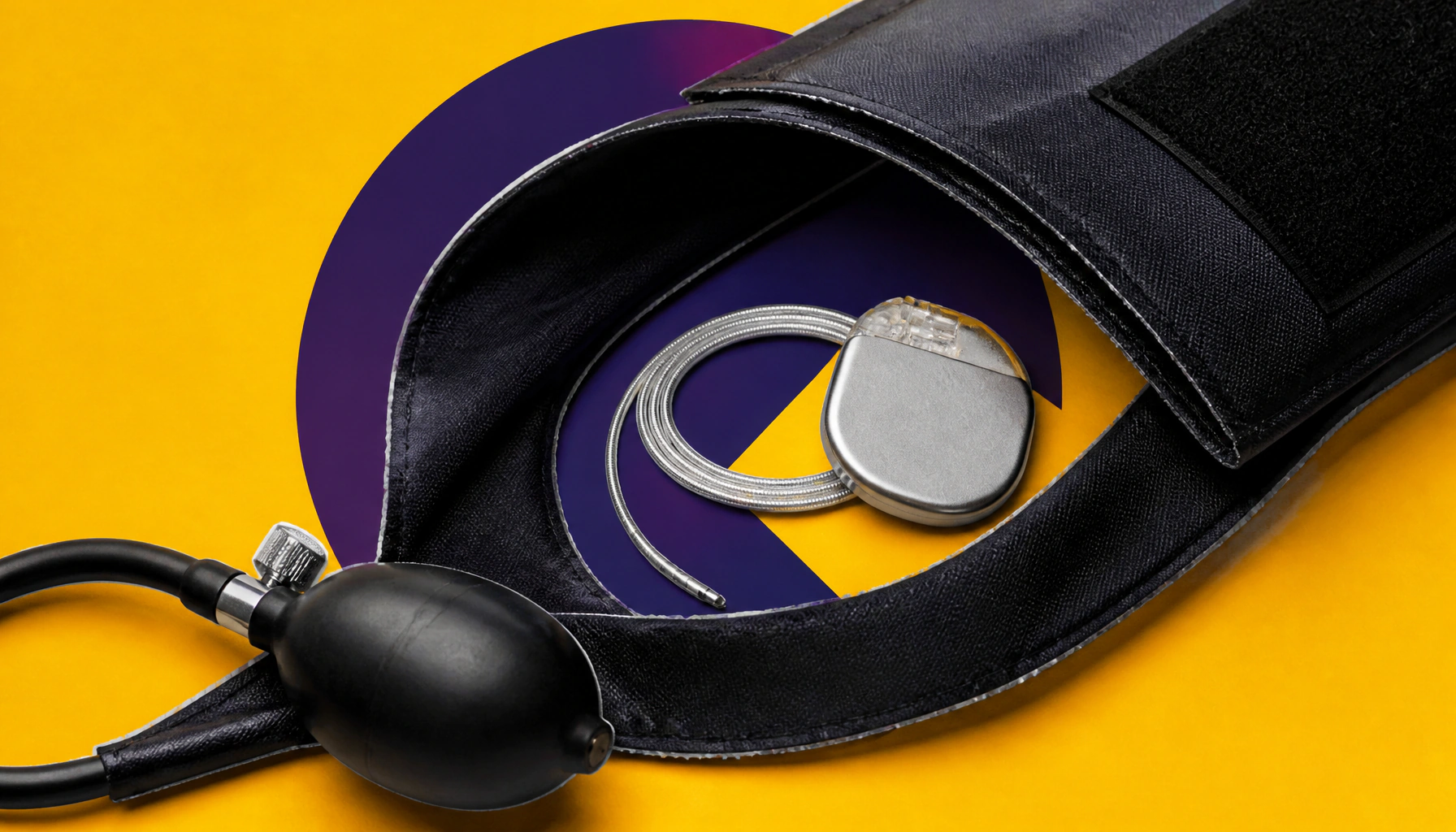
A nerve stimulator for sleep apnea could do more than help you breathe at night. A new study found that adults with obstructive sleep apnea (OSA) who received hypoglossal nerve stimulation (HGNS) had significantly lower risks of developing diabetes and hypertension after two years — though the benefits took time to emerge, with higher risks observed in the first two years post-implant.
A new cohort study published in JAMA Otolaryngology–Head & Neck Surgery suggests that hypoglossal nerve stimulation (HGNS) — a surgically implanted device that treats obstructive sleep apnea (OSA) by stimulating the tongue nerve — may offer meaningful long-term cardiovascular benefits for patients who can't tolerate CPAP therapy.
Researchers analyzed data from nearly 6,800 adults (half who received HGNS, half who didn't) and found that, beyond the two-year mark, HGNS was associated with significantly reduced risks of new diabetes and hypertension diagnoses. Among those with pre-existing diabetes or hypertension, the added risk of both minor and major cardiovascular events was also significantly lower after two years.
However, the short-term picture was more complex — HGNS patients showed higher risks of hypertension and cardiovascular events within the first two years, a finding experts caution may reflect residual confounding rather than a true causal effect of the therapy.
Key Takeaways:
Why it matters: For the millions of OSA patients who can't adhere to CPAP, HGNS is an increasingly viable alternative — and this study suggests it may also help protect against serious downstream conditions like diabetes and heart disease over time.