Loading Curie Briefs...
Getting the latest healthcare news for you
Getting the latest healthcare news for you

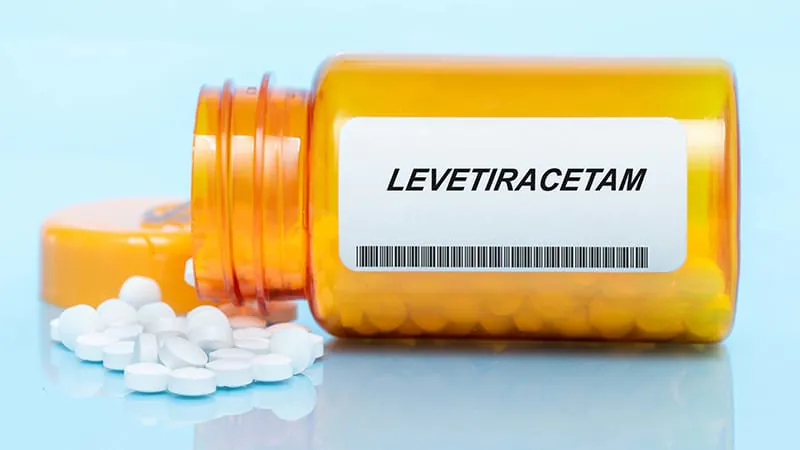
Levetiracetam, long considered a "safe" antiseizure drug for patients on blood thinners, may not be as low-risk as thought. A new study of 9,500+ adults with epilepsy found the drug nearly doubles thromboembolic risk when combined with direct oral anticoagulants (DOACs). Experts say the findings are important but not yet practice-changing.
Levetiracetam has long been favored as a low-interaction antiseizure medication (ASM), but a new retrospective study published in JAMA Neurology is raising red flags about its safety when combined with direct oral anticoagulants (DOACs). Analyzing data from over 9,500 adults with epilepsy across 165 healthcare organizations, researchers found that levetiracetam was associated with nearly twice the thromboembolic risk compared to lamotrigine or lacosamide — a finding that surprised even the study's own investigators.
Strong enzyme-inducing ASMs like carbamazepine and phenytoin also showed elevated risk, while valproate was tied to a threefold higher risk for intracranial bleeding. Researchers estimated that up to 28% of thromboembolic events could have been prevented if patients had received lamotrigine or lacosamide instead — though they caution this is a modeled estimate, not a clinical directive.
Key Takeaways:
Why it matters: Clinicians routinely prescribe levetiracetam as a "safe" option for patients on anticoagulants. These findings suggest that assumption deserves scrutiny — though experts agree patients currently doing well on levetiracetam should not switch without careful clinical review.