Loading Curie Briefs...
Getting the latest healthcare news for you
Getting the latest healthcare news for you

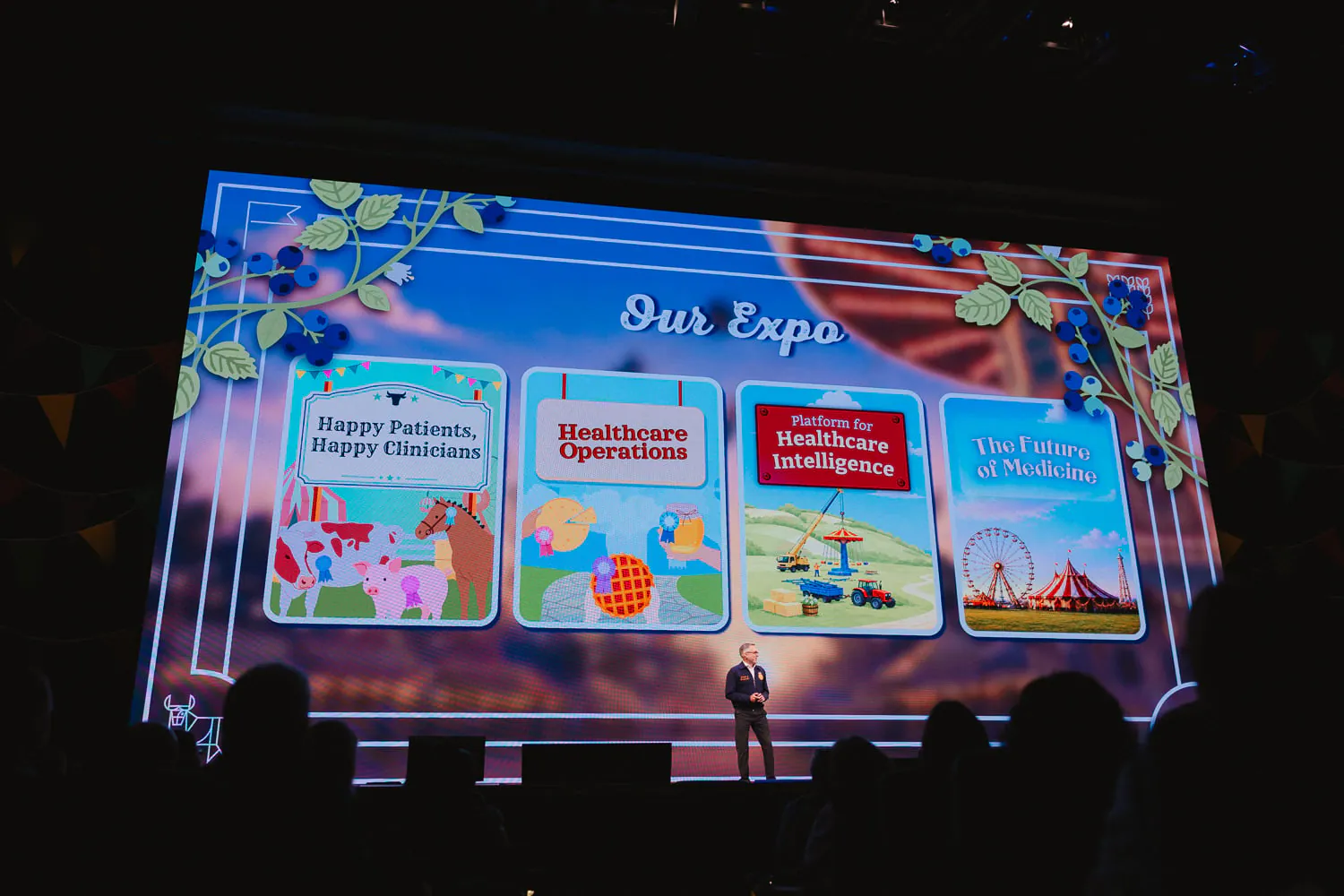
Epic is going all-in on AI — and that includes keeping its systems safe. At its annual Users Group Meeting, Epic revealed it's part of Anthropic's Project Glasswing, an AI-powered cybersecurity initiative, and is deepening its integration with UpToDate to bring evidence-based clinical guidance directly into its AI assistant, Art. The moves signal Epic's ambition to be the backbone of healthcare's AI future.
Epic made waves at its annual Users Group Meeting (UGM) with two under-the-radar but significant announcements. First, Epic confirmed it's participating in Anthropic's Project Glasswing, an AI-powered cybersecurity initiative that uses Anthropic's unreleased Claude Mythos model to scan codebases for vulnerabilities. Epic's Chief Security Officer Stirling Martin noted that AI models are uncovering subtle, complex attack paths that even expert developers miss — and health systems should expect a higher-than-usual volume of urgent security patches as a result.
On the clinical side, Epic is deepening its partnership with Wolters Kluwer's UpToDate, integrating the 30-year-old clinical reference database directly into Art, Epic's AI assistant for clinicians. This means physicians can now access trusted, evidence-based content in real time while making clinical decisions — without leaving their workflow. The partnership will also extend to Epic's Agent Factory platform, enabling health systems to build custom AI agents powered by UpToDate's medical knowledge.
Key Takeaways:
Why it matters: As AI becomes central to clinical workflows, the stakes for both security and decision support quality are rising. Epic's moves to embed trusted clinical evidence and AI-driven cybersecurity into its platform could set a new standard for how health systems manage both patient safety and digital infrastructure.


