Loading Curie Briefs...
Getting the latest healthcare news for you
Getting the latest healthcare news for you

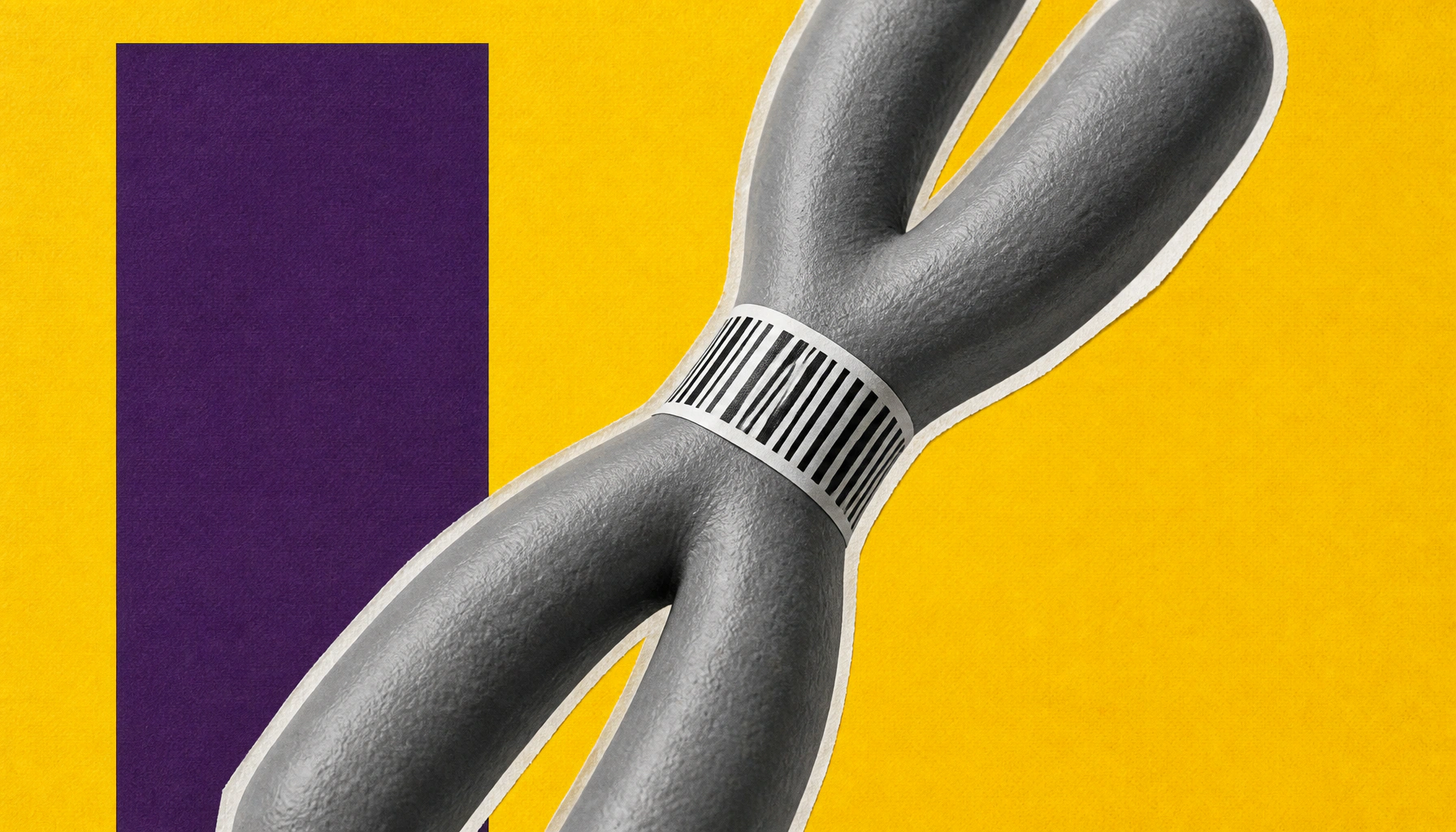
Scientists at ETH Zurich have discovered that so-called "junk DNA" — specifically satellite DNA — acts like a barcode that helps matching chromosome pairs find each other during meiosis. When researchers disrupted these barcodes on two different chromosomes, the pairs mislabeled and paired with the wrong partners. The findings also shed light on how new species form over time.
For decades, scientists dismissed large stretches of repetitive DNA — known as satellite DNA — as useless "junk." Now, researchers at ETH Zurich have flipped that narrative entirely. Publishing in Nature Communications, the team found that satellite DNA acts like a unique barcode on each chromosome pair, helping matching chromosomes locate and pair with each other during meiosis — the cell division process that produces sperm and egg cells.
When the ETH team removed satellite DNA barcodes from two different chromosome pairs in fruit flies (Drosophila), chromosomal chaos ensued: the pairs frequently docked with the wrong partners. A protein called D1 acts as the molecular "glue," recognizing matching barcodes and binding the correct chromosomes together. If a barcode is altered by mutation or deletion, D1 can mistakenly bond mismatched chromosomes.
Key Takeaways:
Why it matters: These findings redefine the role of repetitive DNA in genome biology and open new avenues for understanding chromosomal errors that may be linked to infertility and miscarriage — though the researchers note that whether this mechanism applies to humans has not yet been investigated.