Loading Curie Briefs...
Getting the latest healthcare news for you
Getting the latest healthcare news for you

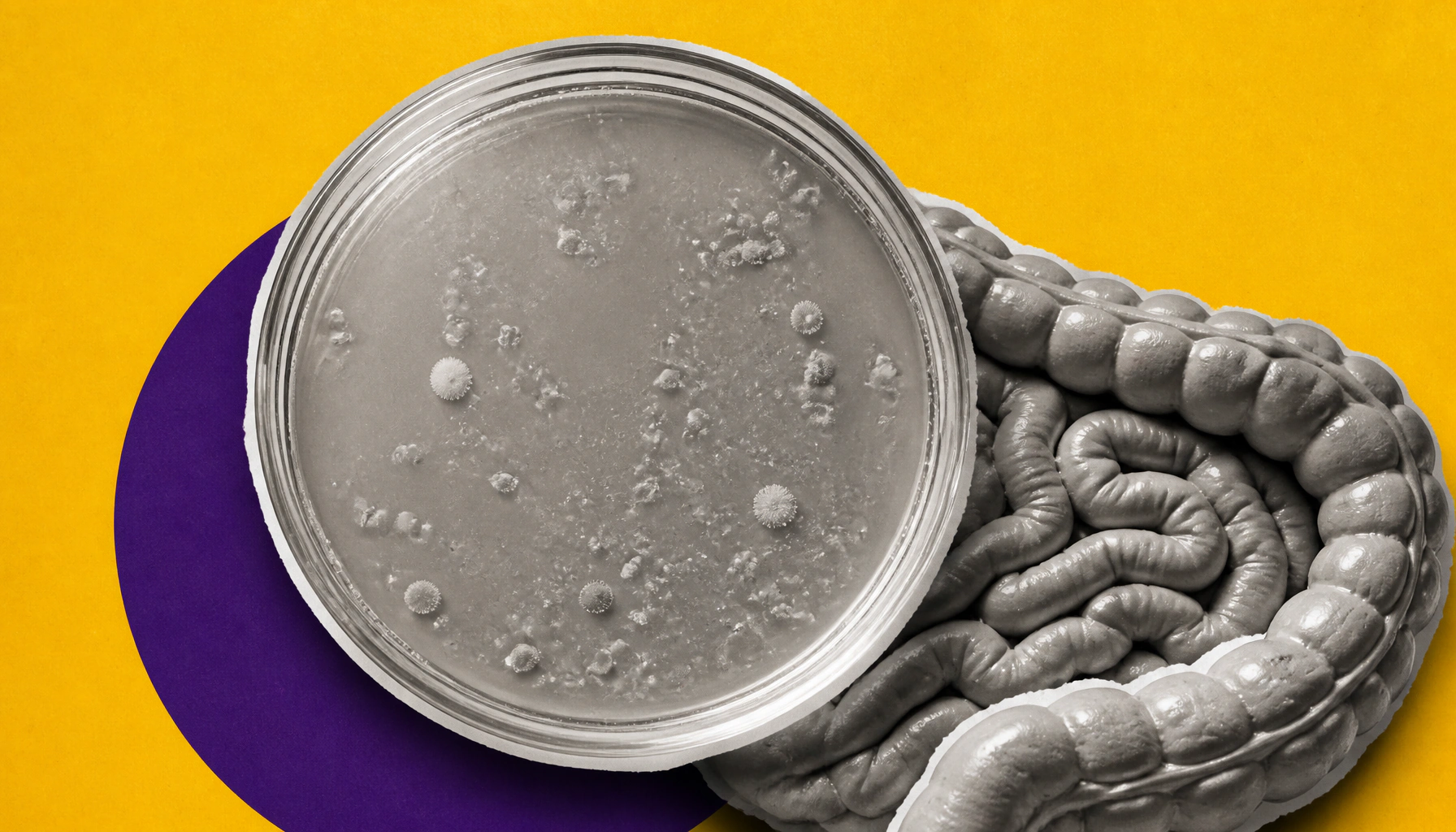
Your gut is a battleground — and scientists just drew the map. Researchers at Umeå University tested over 1,200 interactions between 36 gut bacterial species, finding that competition dominates the microbiome, largely driven by pH changes. But they also uncovered surprising cooperative mechanisms, offering a new foundation for predicting and potentially manipulating gut health.
Your gut microbiome is less of a peaceful community and more of a competitive arena. Researchers at Umeå University systematically tested more than 1,200 interactions between 36 common gut bacterial species, publishing what is now one of the most comprehensive gut microbiome interaction datasets ever created. The findings, published in Nature Communications, show that inhibitory interactions dominate — mostly because bacteria acidify their environment, making it harder for competitors to survive.
But it's not all-out war. The team also uncovered specific cooperative mechanisms: Clostridium perfringens was found to promote the growth of Mediterraneibacter gnavus via extracellular vesicles, while Veillonella parvula can raise local pH levels, inadvertently helping acid-sensitive species like Parabacteroides merdae thrive.
Key Takeaways:
Why it matters: Understanding the rules of engagement in the gut microbiome is a prerequisite for rationally designing microbiome-based therapies. This dataset gives researchers a mechanistic roadmap for predicting community dynamics and, eventually, engineering healthier gut ecosystems.