Loading Curie Briefs...
Getting the latest healthcare news for you
Getting the latest healthcare news for you

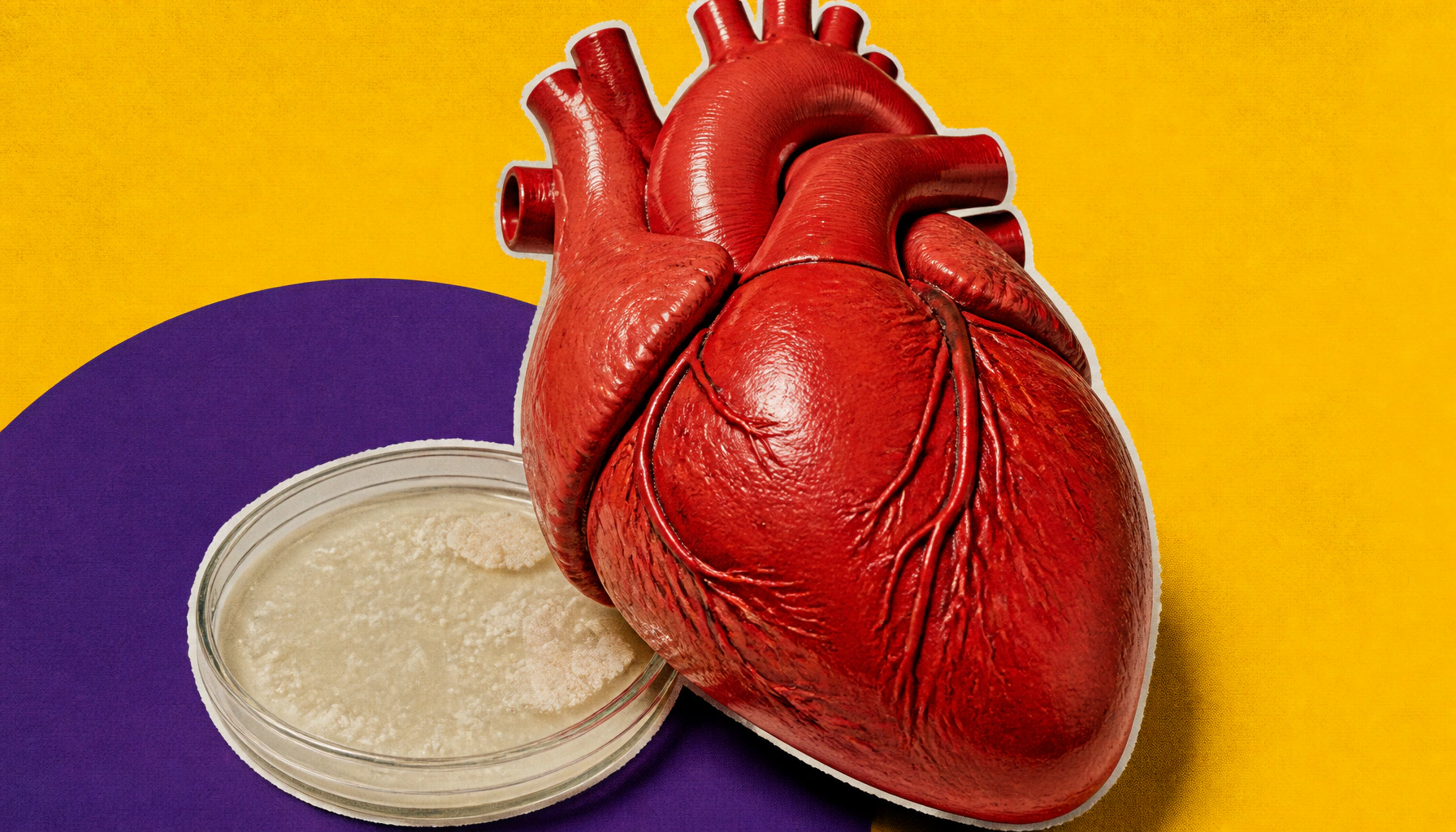
Eating your greens just got a scientific upgrade. Researchers at Karolinska Institutet discovered that gut bacteria can convert nitrate and plant-based iron from vegetables into protective molecules called DNICs, which may shield the heart, blood vessels, and metabolism. In animal models, higher DNIC levels were linked to lower blood pressure, better blood sugar control, and less liver fat.
Eating your greens just got a scientific upgrade. Researchers at Karolinska Institutet have uncovered a previously unknown mechanism explaining why vegetable-rich diets are so good for you — and your gut bacteria deserve some of the credit. Published in Cell, the study found that gut microbes can combine nitrate (abundant in beetroot, spinach, and leafy greens) with non-haem iron (found in beans, whole grains, and green vegetables) to produce molecules called dinitrosyl iron complexes (DNICs). These molecules are then absorbed into the body and transported to key organs like the liver and kidneys.
The team confirmed that DNICs were completely absent in germ-free mice, underscoring that gut bacteria are essential for their production. When DNIC levels were boosted — either through dietary supplements or synthetic versions — animal models of cardiovascular and metabolic disease showed meaningful health improvements.
Key Takeaways:
Why it matters: This research offers a compelling biological explanation for the long-observed link between plant-rich diets and reduced cardiovascular and metabolic disease risk — and could eventually open new avenues for disease prevention through diet or microbiome-targeted therapies.