Loading Curie Briefs...
Getting the latest healthcare news for you
Getting the latest healthcare news for you

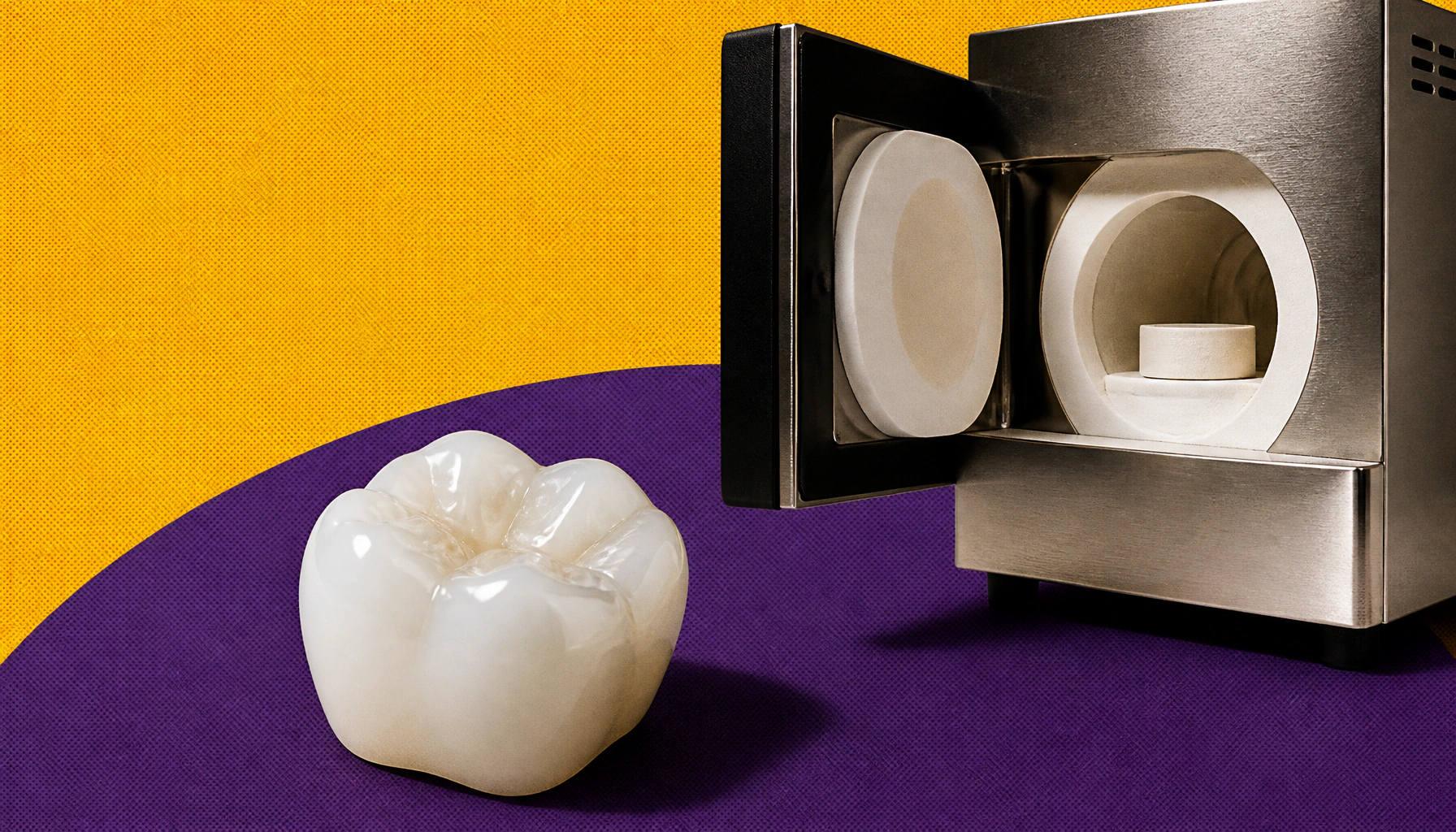
Researchers at UT Dallas have cracked one of dentistry's biggest bottlenecks: cutting the processing time for 3D-printed zirconia crowns from up to 100 hours down to under 30 minutes. The breakthrough could allow dentists to produce strong, custom permanent crowns in a single patient visit. The technology still needs clinical validation and regulatory approval before it hits dental offices.
Getting a dental crown has long meant multiple appointments, temporary fixes, and waiting days for a lab to craft your permanent restoration. A team at the University of Texas at Dallas may be about to change that. They've developed a new processing method that slashes the time it takes to prepare a 3D-printed zirconia crown — the gold-standard material for dental restorations — from as long as 100 hours to under 30 minutes.
The key hurdle they solved is called "debinding" — a step where the resin holding zirconia particles together during printing must be carefully burned off. Rush it, and the crown cracks. The UT Dallas team's system uses porous graphite felt, high heat (above 2,550°F), and a vacuum to safely remove gases in a fraction of the usual time, paving the way for true chair-side, same-day permanent crowns.
By the Numbers:
Why it matters: Same-day crowns already exist, but they're typically milled from solid zirconia blocks — a process that limits design complexity and risks micro-cracking. 3D printing offers greater customization and precision. If this technology clears clinical and regulatory hurdles, it could meaningfully reduce patient chair time, costs, and material waste across dental practices.