Loading Curie Briefs...
Getting the latest healthcare news for you
Getting the latest healthcare news for you


A decades-old compound called TOFA could offer a new approach to obesity treatment by boosting the body's energy burn rather than curbing appetite. In mice, it reduced fat, preserved muscle, and improved blood sugar and triglycerides — and worked even better when paired with GLP-1 drugs like Ozempic and Wegovy. Human trials are still needed.
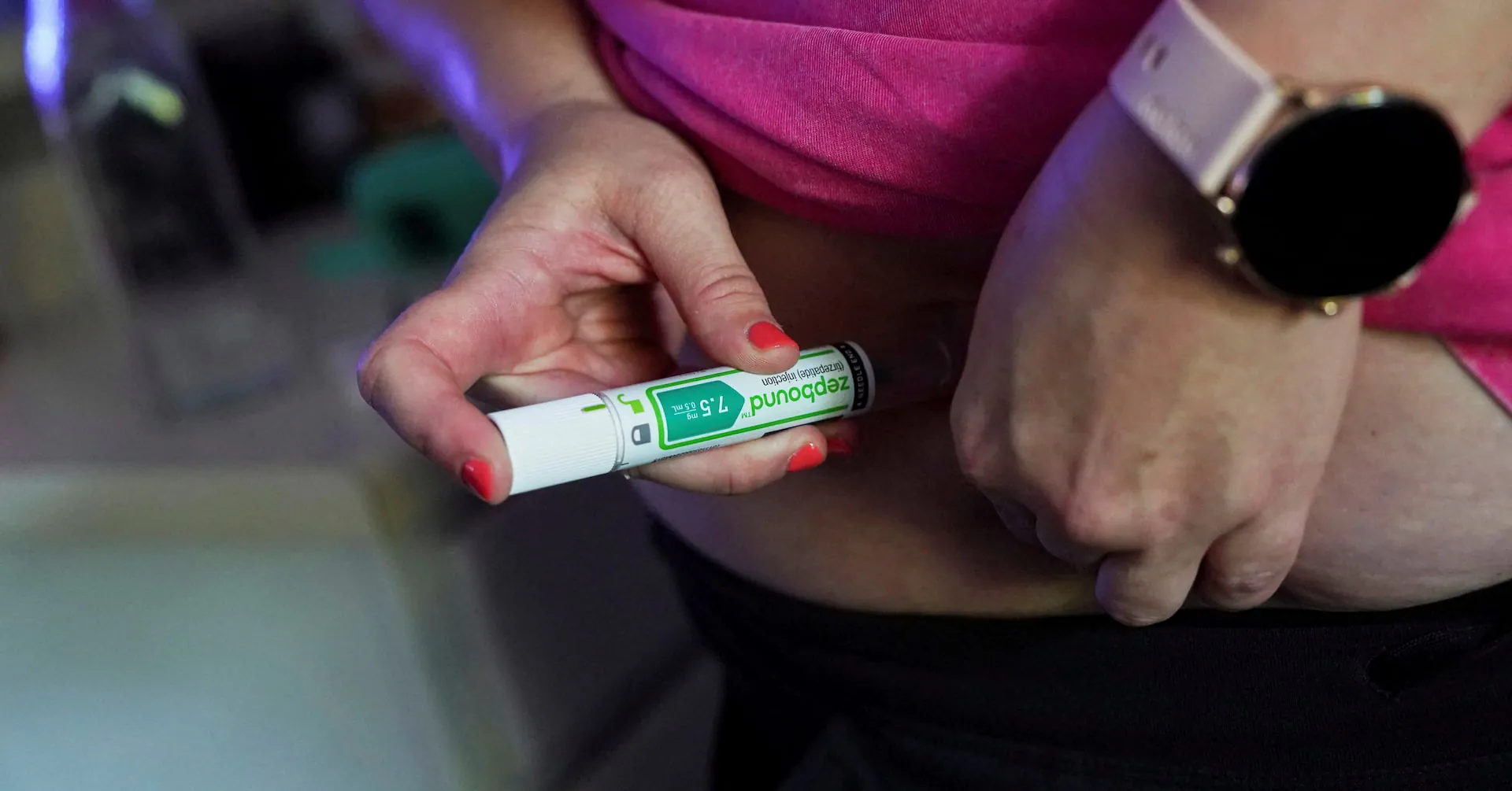
GLP-1 medications like Ozempic and Wegovy have reshaped obesity treatment, but they come with a catch: reduced appetite can lead to muscle loss, nutritional deficiencies, and long-term frailty risks. Researchers at UC Berkeley think they've found a complementary solution — a compound that targets the other side of the energy equation.
A study published in Science Advances found that TOFA (5-tetradecyloxy-2-furoic acid), a compound first discovered in the 1970s, can simultaneously suppress lipid production and activate fat-burning energy pathways. In obese mice, it improved insulin sensitivity, reduced triglycerides, and reversed signs of fatty liver disease — all without significant muscle loss. Crucially, when combined with semaglutide or tirzepatide, the results were even stronger than either treatment alone.
By the numbers:
Why it matters: Most obesity drugs work by reducing calorie intake. TOFA targets energy expenditure instead — a largely untapped lever. If it proves safe and effective in humans, it could fill a critical gap in metabolic disease treatment, especially for patients who struggle with GLP-1 side effects or muscle loss.