Loading Curie Briefs...
Getting the latest healthcare news for you
Getting the latest healthcare news for you

Scientists used AI to decode a key DNA element called the "initiator" — the spot where genes begin to be expressed. After analyzing ~500,000 DNA sequences, the model found this switch in roughly 60% of human genes. The discovery could help predict how mutations lead to disease and pave the way for a fuller map of the human gene expression code.
Your genes don't just exist — they have to be turned on at exactly the right time and place. A team at UC San Diego has used AI to decode a critical DNA element called the "initiator," which marks the precise spot where a gene's instructions begin to be converted into functional products like proteins, enzymes, and hormones. When this process goes wrong, it can lead to diseases including cancer.
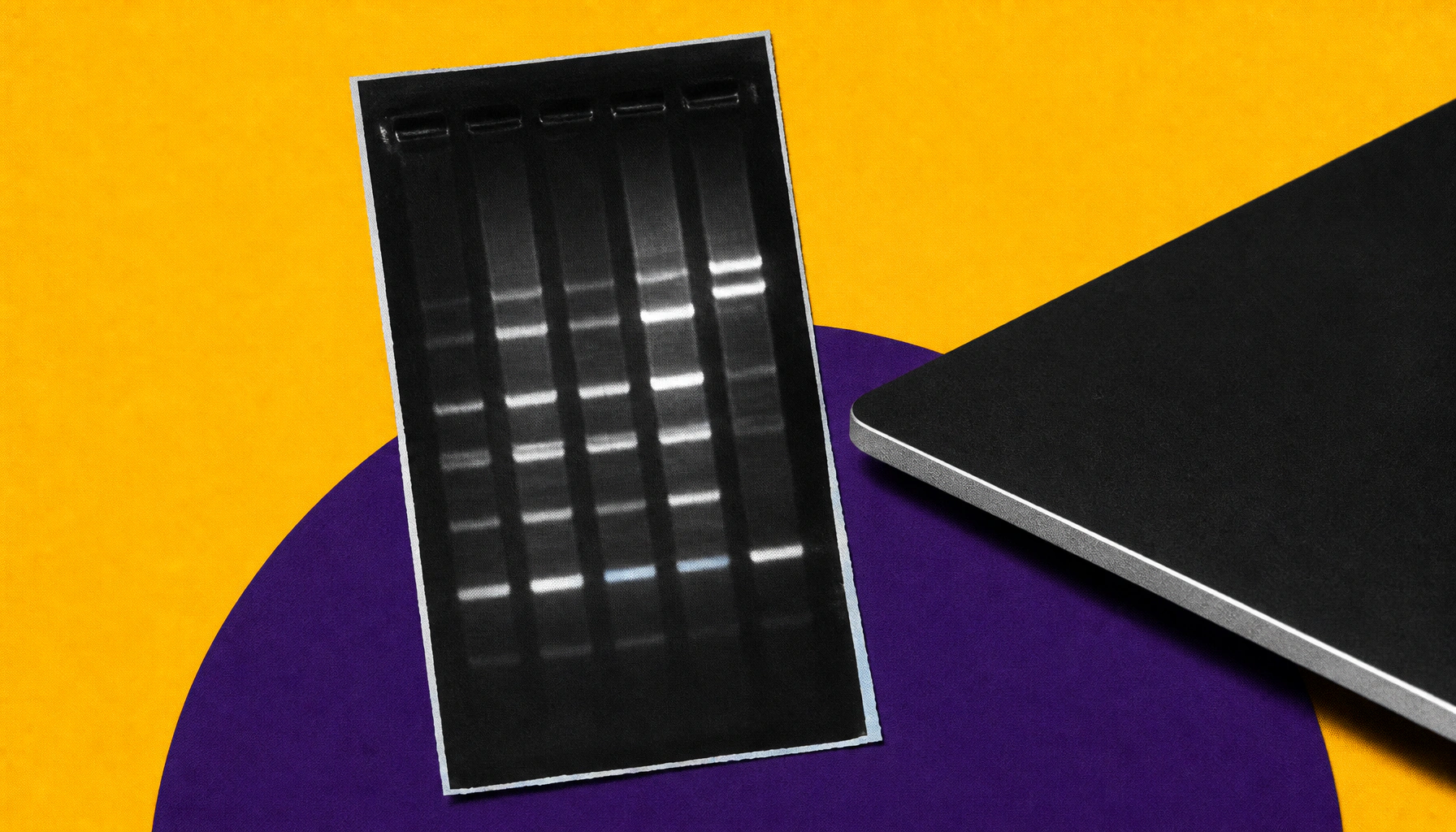
Led by graduate researcher Torrey Rhyne-Carrigg in Professor James Kadonaga's lab, the team analyzed roughly 500,000 versions of the initiator sequence using high-throughput DNA sequencing, then trained a machine learning model on the results. The AI successfully identified the initiator's signature DNA pattern and found it present in about 60% of human genes — a first-of-its-kind achievement.
By the numbers:
Why it matters: This breakthrough gives researchers a new tool to predict how mutations in the initiator region may contribute to disorders, and could enable the design of synthetic gene switches for therapeutic use. It's a meaningful step toward building a complete AI model of human gene expression.