Loading Curie Briefs...
Getting the latest healthcare news for you
Getting the latest healthcare news for you

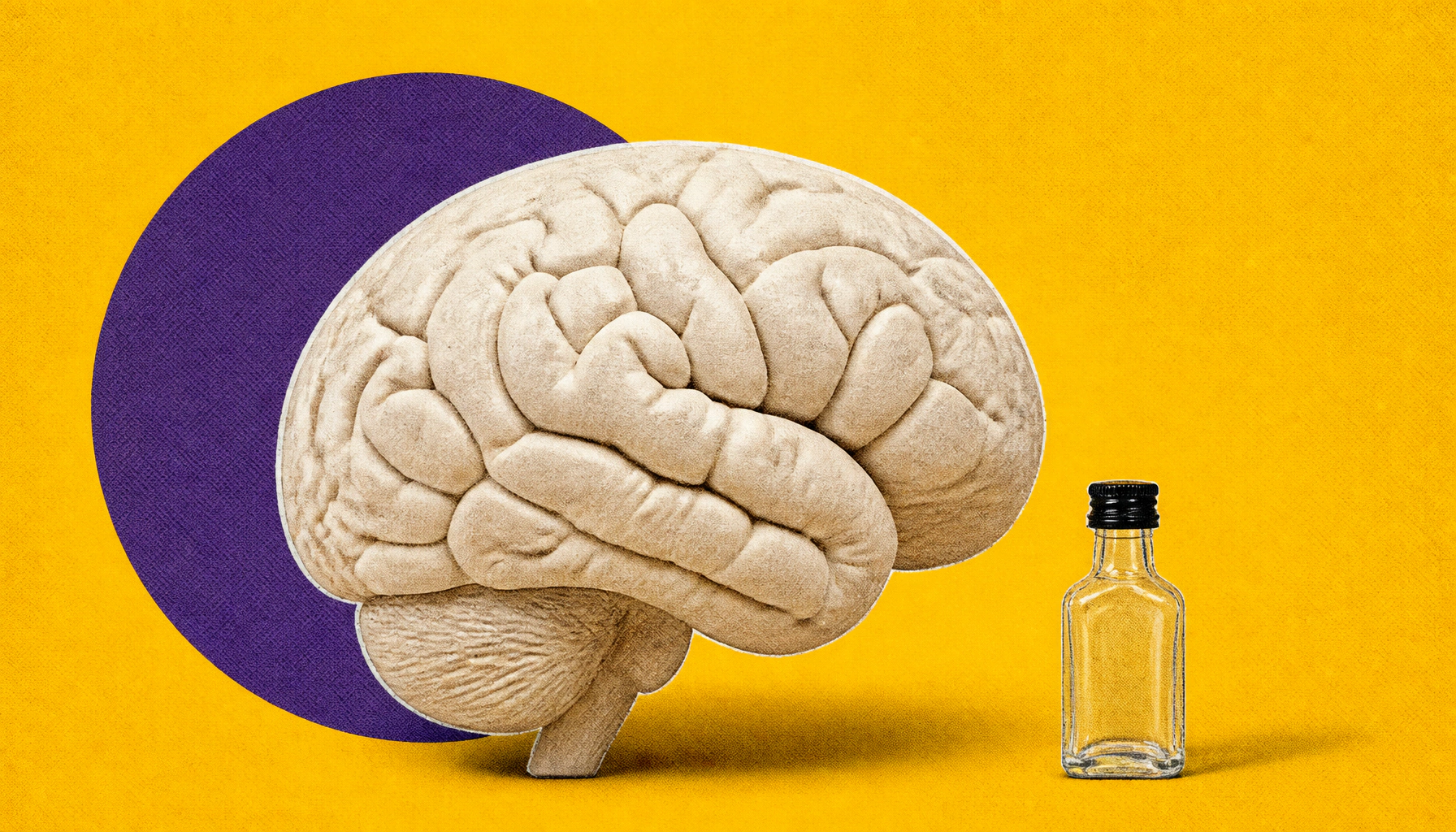
Quitting alcohol might actually set the stage for relapse. Researchers found that abstinent mice showed more than double the activity in a stress-linked brain region — called the BNST — before they even had a chance to drink again. The finding hints at a potential new way to screen people most at risk of relapsing from alcohol use disorder.
Abstinence is the cornerstone of most alcohol use disorder (AUD) treatments — but new research suggests it may also quietly prime the brain for compulsive drinking. Scientists studying mice found that a period of forced abstinence led a subset of animals to drink alcohol compulsively afterward, even when it was made extremely bitter. These mice showed dramatically elevated activity in the bed nucleus of the stria terminalis (BNST), a small brain structure tied to stress, anxiety, and addiction.
What makes the finding especially striking: the BNST activity surge appeared before the mice were given access to alcohol again — suggesting it could serve as a predictive biomarker for relapse risk, not just a reaction to drinking.
Clinicians currently have few reliable tools to predict who will relapse after quitting alcohol. If BNST activity patterns hold up in human studies — which a parallel research team is now investigating — it could open the door to brain-based screening methods and new treatment targets for one of the country's most underestimated public health crises.