Loading Curie Briefs...
Getting the latest healthcare news for you
Getting the latest healthcare news for you

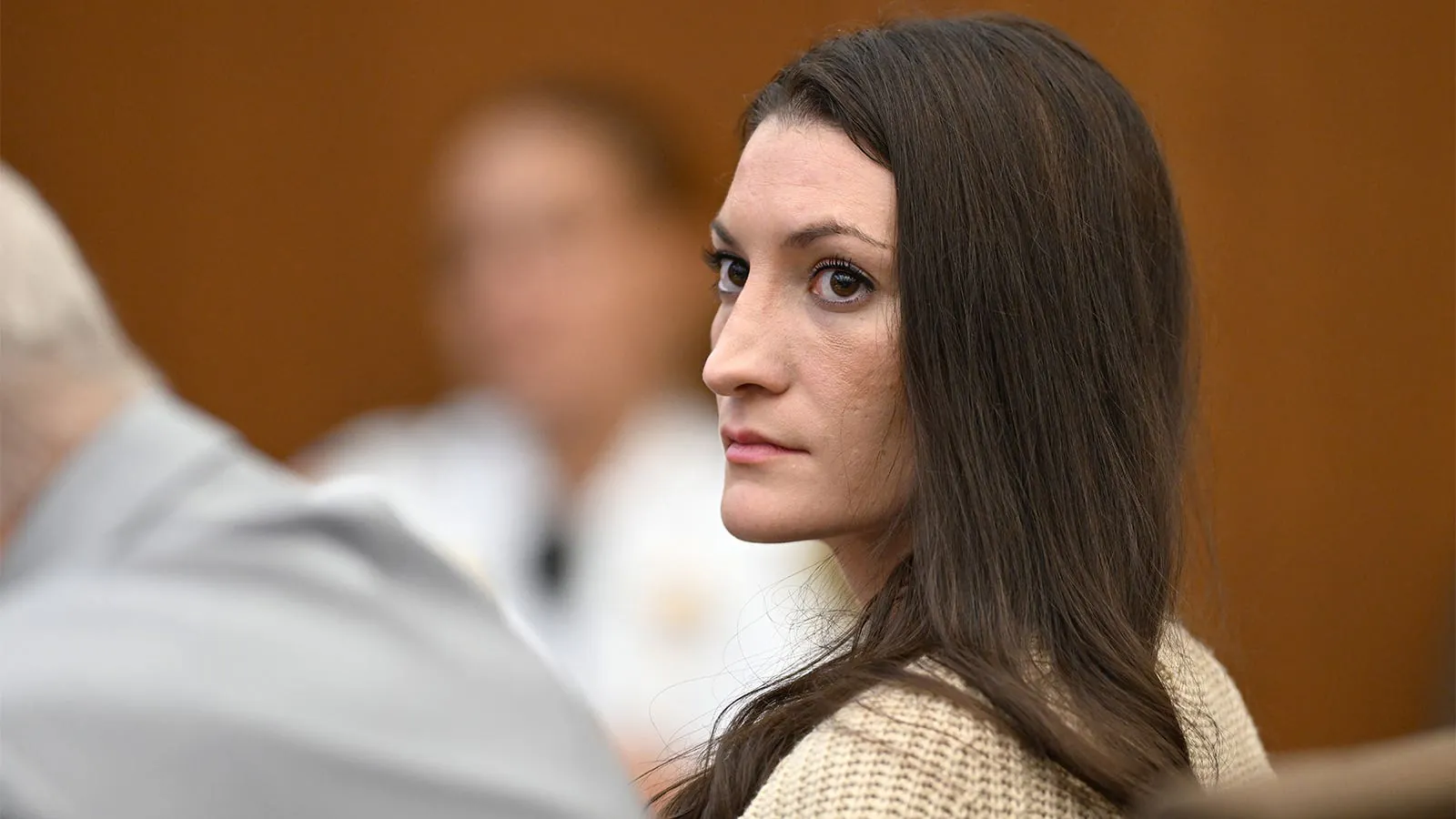
The defense rested in the Lindsay Clancy murder trial, with expert testimony arguing she was "clearly psychotic" when she killed her three children due to postpartum psychosis. Prosecutors counter that she suffered from severe depression — not psychosis or bipolar disorder — and was capable of distinguishing right from wrong. Closing arguments are expected next week.
The defense has rested in the high-profile murder trial of Lindsay Clancy, a former labor and delivery nurse charged with strangling her three young children in January 2023. Her attorney argues she should not be held criminally responsible due to postpartum psychosis — a rare but severe mental illness triggered by the hormonal, physical, and emotional upheaval following childbirth. Family members testified about her rapidly deteriorating mental health, and forensic psychiatrist Phillip Resnick, MD, told jurors she was "clearly psychotic" and not in control of her actions, describing the killings as driven by a delusional belief that her children would be better off dying with her.
Prosecutors pushed back sharply, calling their own forensic psychiatrist, Avram Mack, MD, who acknowledged Clancy had a major depressive episode but found no evidence of mania, hypomania, or psychosis. He argued her mental illness, while severe, did not prevent her from knowing right from wrong — a critical legal distinction.
Key Takeaways:
Why it matters: This trial is drawing national attention to postpartum psychosis, a condition that remains underdiagnosed and undertreated. The outcome could shape how the legal system — and the public — understands severe perinatal mental illness and criminal responsibility.