Loading Curie Briefs...
Getting the latest healthcare news for you
Getting the latest healthcare news for you

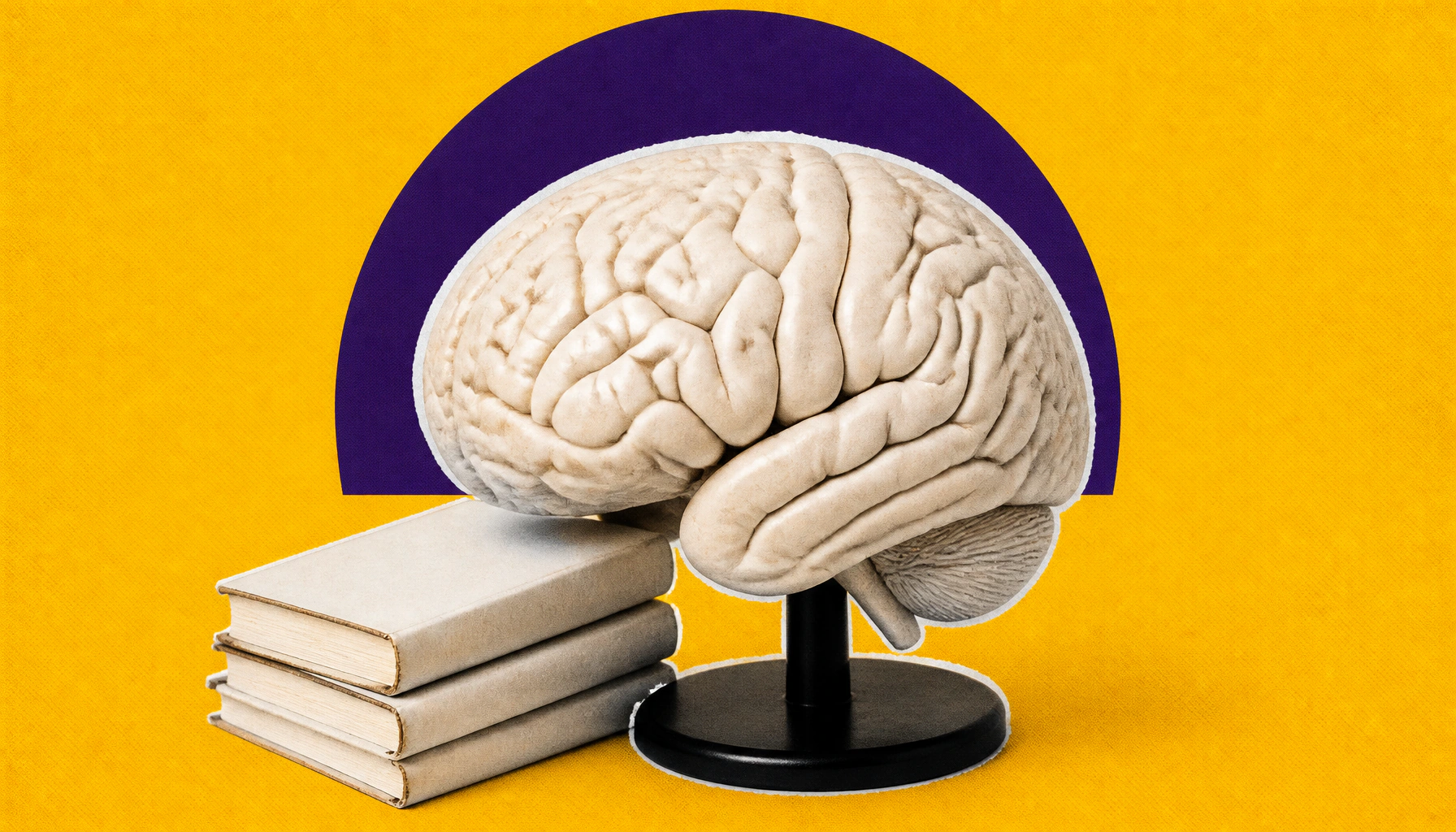
Your brain might thank you for that second (or third, or fourth) language. New research presented at the FENS Forum 2026 found that people who speak four languages have brains that appear up to 13 years younger than monolinguals. Starting earlier and becoming more proficient amplified the effect, suggesting that the depth of multilingual experience — not just being bilingual — is what really counts.
New research presented at the Federation of European Neuroscience Societies (FENS) Forum 2026 suggests that speaking multiple languages could meaningfully slow brain aging. Using a "brain aging clock" built from magnetoencephalography data and AI analysis, researchers estimated the brain ages of 144 participants from Spain's Basque region who spoke between one and four languages.
The results were striking: the more languages someone spoke, the younger their brain appeared relative to their actual age. And it wasn't just about the number of languages — starting earlier and achieving higher proficiency also amplified the effect, pointing to the importance of the depth of multilingual experience.
By the Numbers
Why it matters: As populations age globally, identifying modifiable lifestyle factors that preserve brain health is critical. This research adds multilingualism to a growing list of habits — alongside exercise, diet, and social engagement — that may help keep the brain resilient longer, with potential implications for dementia prevention strategies.