Loading Curie Briefs...
Getting the latest healthcare news for you
Getting the latest healthcare news for you

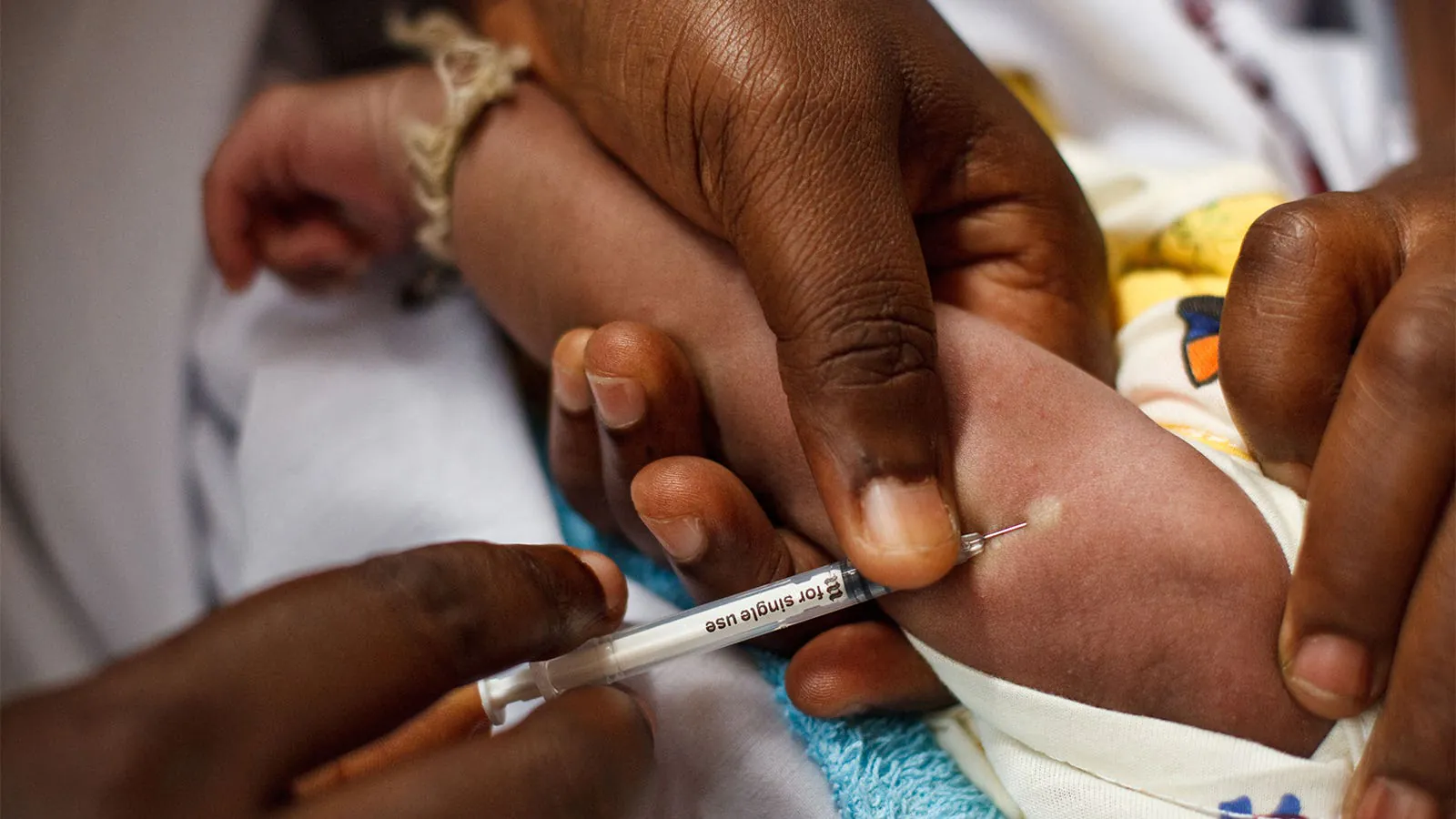
A phase III trial of VPM1002, a next-generation tuberculosis vaccine, found it didn't outperform the standard BCG vaccine in nearly 6,900 newborns in sub-Saharan Africa. QFT conversion rates were slightly higher in the VPM1002 group (5.3% vs. 4.3%), and the trial was cut short due to fewer infections than expected. Experts say the results underscore the urgent need for better TB trial designs and endpoints.
The search for a better tuberculosis vaccine hit a wall. A multicenter, phase III trial published in Lancet Infectious Diseases found that VPM1002 — a recombinant version of the century-old BCG vaccine — failed to outperform BCG in preventing TB infection among nearly 6,900 newborns in sub-Saharan Africa. QuantiFERON-TB Gold Plus (QFT) conversion rates, used as a proxy for TB infection, were slightly higher in the VPM1002 group (5.3%) than in the BCG group (4.3%), and the trial was terminated early in October 2024 after far fewer infections occurred than anticipated.
The results also raised questions about trial methodology. When TB disease — the gold-standard endpoint — was used instead of QFT conversion, VPM1002 performed even worse relative to BCG. Experts say this exposes a critical gap: surrogate infection endpoints may not be reliable enough for TB vaccine efficacy trials, making it harder and more resource-intensive to evaluate new candidates.
By the Numbers
Why it matters: BCG remains the only licensed TB vaccine, yet it offers inconsistent and waning protection in adolescents and adults. With only a handful of late-stage vaccine candidates in the pipeline, designing smarter, more feasible efficacy trials is now as urgent as developing the vaccines themselves.


