Loading Curie Briefs...
Getting the latest healthcare news for you
Getting the latest healthcare news for you

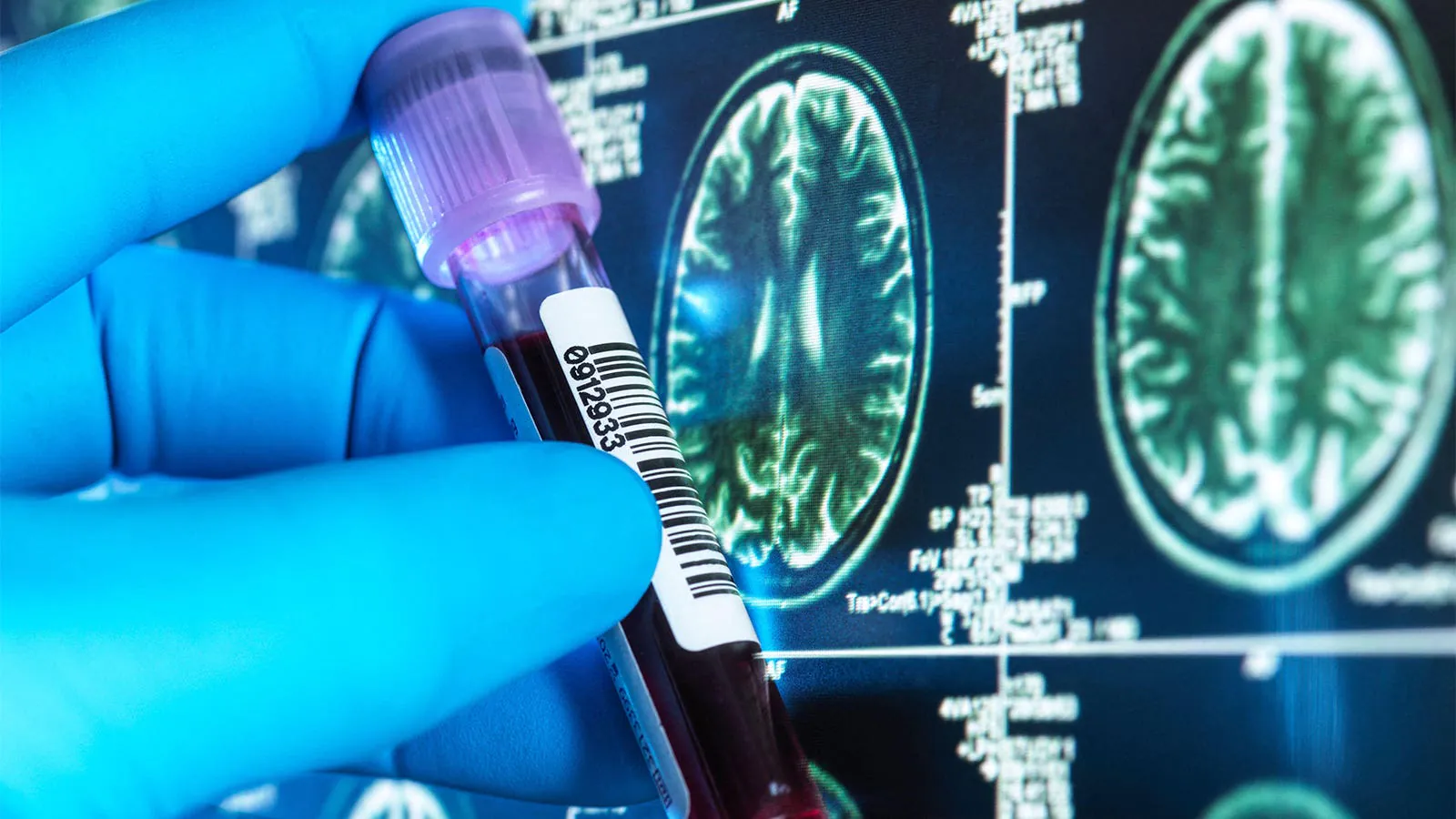
A simple blood draw could soon help diagnose Alzheimer's earlier than ever. The FDA has cleared PrecivityAD2, the first blood-based Alzheimer's biomarker test approved for adults as young as 40 with cognitive symptoms. The test measures amyloid and tau protein ratios to assess the likelihood of brain amyloid plaques, and is meant to complement — not replace — a full clinical evaluation.
A simple blood draw could soon help diagnose Alzheimer's earlier than ever. The FDA has cleared PrecivityAD2, developed by C2N Diagnostics, making it the first blood-based Alzheimer's biomarker test approved for adults as young as 40 who are showing signs of cognitive impairment. Using high-resolution mass spectrometry, the test measures plasma amyloid beta and tau peptide ratios to generate an "amyloid probability score 2" (APS2) — helping clinicians determine whether brain amyloid plaques are likely present.
Importantly, PrecivityAD2 is designed to support clinical decision-making, not serve as a standalone diagnosis or population screening tool. It must be ordered by healthcare professionals experienced in evaluating cognitive impairment, and the FDA-cleared version is expected to be commercially available later this year.
By the Numbers:
Why it matters: Alzheimer's diagnosis has long relied on costly PET scans or invasive spinal fluid tests. A cleared, accessible blood test could dramatically expand early detection — especially for younger patients and those in primary care settings — potentially enabling earlier intervention and treatment.