Loading Curie Briefs...
Getting the latest healthcare news for you
Getting the latest healthcare news for you

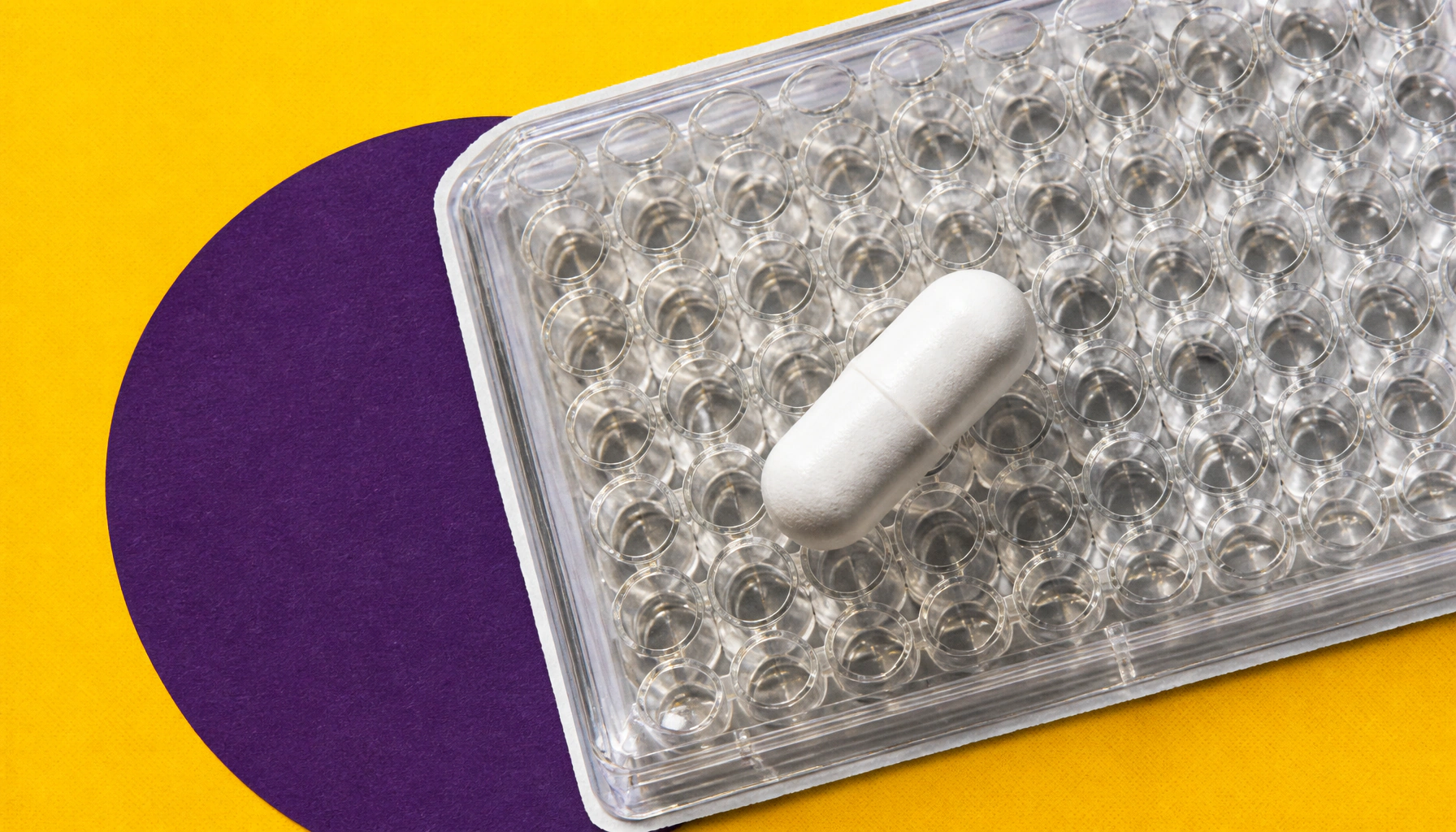
A new research initiative called the Deliverome Project is building the first large-scale, open-access atlas of cell surface proteins to help researchers figure out how to get drugs into the right cells. Co-founded by MIT-trained researcher Becca Carlson, the project has secured $5 million in seed funding and plans to release data continuously over five years. The goal: faster, more precise drug development—especially for rare diseases.
Getting a drug to the right cell is half the battle—and right now, researchers are largely flying blind. The Deliverome Project, co-founded by Becca Carlson and biochemist Bobby Hollingsworth, is on a mission to change that. Publicly launched on May 27, the initiative aims to build the first large-scale, open-access atlas mapping which proteins sit on the surface of different human cells and which of those proteins can shuttle cargo into the cell's interior.
The project is structured as a Focused Research Organization (FRO), meaning it has a defined scientific goal, a built-in end date (~5 years), and a mandate to share all findings openly. Rather than waiting years for traditional academic publishing, the team plans to release data continuously as "micro-publications," formatted to be AI-ready for computational drug discovery.
By the Numbers:
Why it matters: Rare disease researchers often understand the biology but lack the tools to translate that knowledge into effective drugs. By creating a standardized, publicly available dataset on cell surface proteins, Deliverome could dramatically accelerate drug development and expand treatment options for underserved patient populations.


