Loading Curie Briefs...
Getting the latest healthcare news for you
Getting the latest healthcare news for you

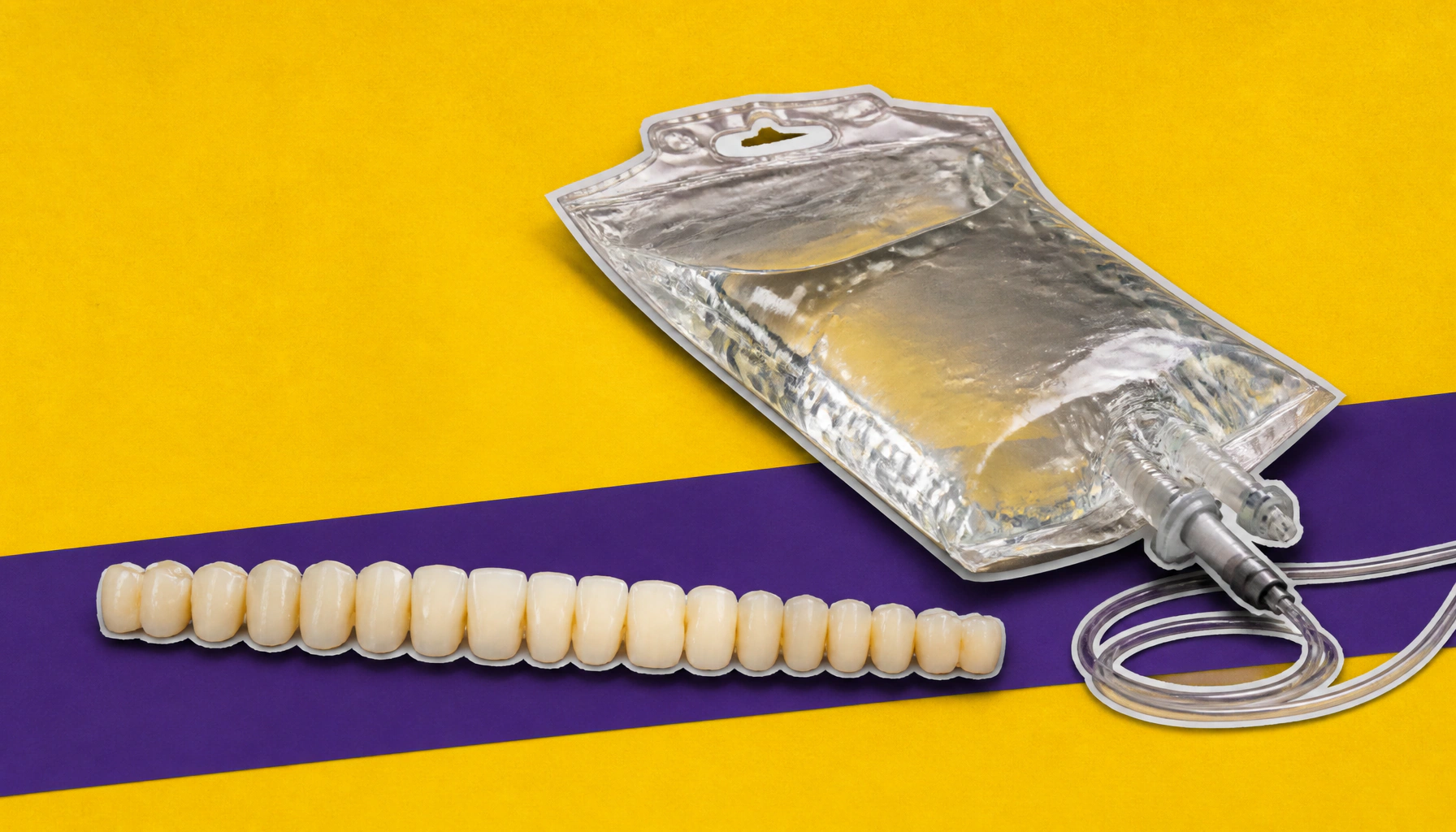
A new study links natural tooth count to survival after pancreatic cancer surgery. Hiroshima University researchers found that patients with 21 or more natural teeth survived nearly two years longer post-surgery than those with fewer. Tooth loss may reflect decades of chronic inflammation, frailty, and systemic vulnerability — making oral health a potential window into overall resilience.
A new study from Hiroshima University has found a striking link between natural tooth count and survival after surgery for pancreatic ductal adenocarcinoma (PDAC) — one of the deadliest cancers worldwide. Among 339 patients who underwent radical pancreatectomy between 2014 and 2022, those with 21 or more natural teeth had a median survival of 60.7 months, compared to just 39.1 months for those with 20 or fewer teeth. The association held even after accounting for tumor stage, lymph node spread, surgical margins, and chemotherapy.
Interestingly, chewing function alone wasn't independently tied to survival — suggesting tooth loss is more than a measure of oral mechanics. Researchers believe it may serve as a proxy for lifelong chronic inflammation, nutritional status, frailty, and systemic health vulnerabilities accumulated over decades.
By the numbers:
Why it matters: If validated in larger, multicenter studies, oral health assessment could become a simple, low-cost tool for personalizing risk stratification and perioperative planning in pancreatic cancer care — giving clinicians a new lens to evaluate a patient's long-term resilience beyond tumor biology alone.