Loading Curie Briefs...
Getting the latest healthcare news for you
Getting the latest healthcare news for you

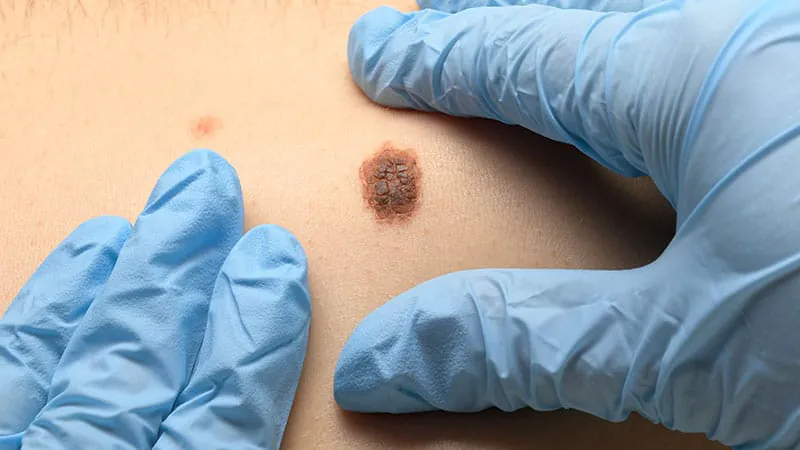
A large Dutch randomized trial found that giving patients free access to a skin cancer screening app didn't improve melanoma or skin cancer detection over 12 months. There was no meaningful diagnostic gain, but app users were significantly more likely to visit a clinic for benign lesions — adding workload without a corresponding benefit. Researchers suggest these tools may work better as triage aids than diagnostic ones.
The app didn't move the needle on cancer — but it did move patients to the clinic.
A Dutch randomized trial presented at EADO Congress 2026 tested whether free access to a skin cancer screening app (SkinVision) could improve melanoma and skin cancer detection. Out of ~226,000 invited adults, just over 19,000 enrolled and were split into app-access and no-access groups for 12 months. The verdict? No meaningful difference in cancer detection between groups — but app users were significantly more likely to visit a doctor for benign lesions.
Researchers note some important caveats: control patients were already motivated to seek care on their own, and trial participants overall were diagnosed at higher rates than non-participants, suggesting the study population may not be fully representative. With cancer case numbers still small, this isn't the final word — a two-year follow-up phase is underway.
By the Numbers:
Why it matters: With routine skin screening not recommended by the USPSTF and AI apps increasingly marketed to fill that gap, this trial raises real questions about clinical utility. For HCPs, these tools may be best positioned as triage aids — helping patients decide if they need a visit, rather than replacing clinical judgment once they arrive.


