Loading Curie Briefs...
Getting the latest healthcare news for you
Getting the latest healthcare news for you

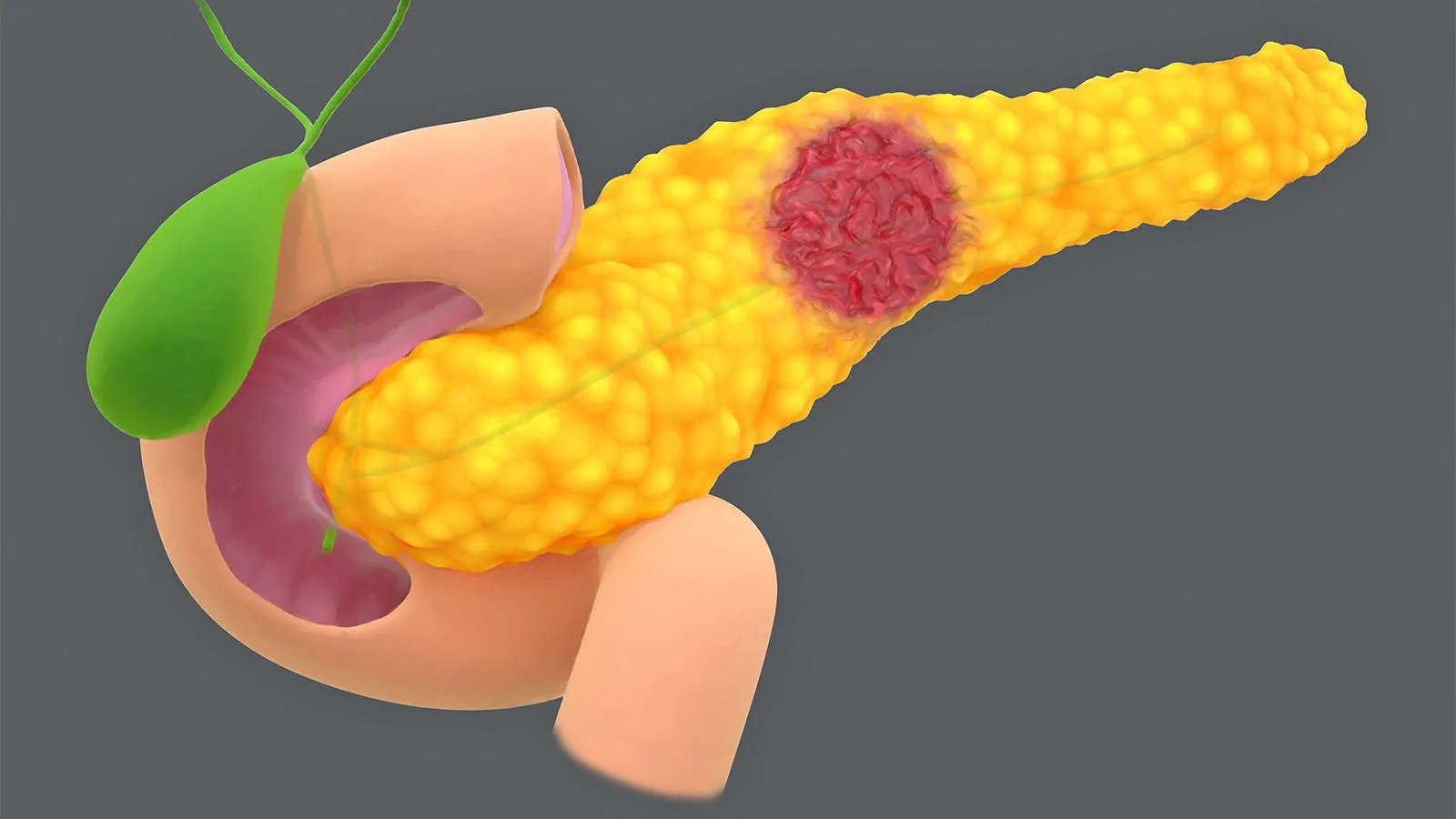
Pancreatic cysts are common, but how dangerous are they really? New research shows that the more "worrisome" or high-risk features a cyst has, the greater the cancer risk — jumping from 2% with one trait to nearly 18% with three or more. Even so-called low-risk cysts carry a cancer incidence 14 times higher than the general population, underscoring the need for long-term, personalized surveillance.
Pancreatic cysts are found in up to 18% of the population, and while most are considered low risk, new research makes clear that "low risk" doesn't mean "no risk." A prospective Mayo Clinic study of 230 patients found that accumulating worrisome or high-risk cyst features dramatically raises the likelihood of a pancreatic cancer diagnosis — from 2% with a single trait to 18% with three or more. Worrisome traits were far more common than high-risk features (over 90% of cases), and the authors say stacking those features is what really moves the needle.
A separate large retrospective study published in JAMA Network Open reinforces the concern: among nearly 6,100 patients with low-risk pancreatic cystic lesions, 0.6% developed pancreatic cancer — a rate 14 times higher than the general population. Larger cyst size, main pancreatic duct ectasia, and older age were all independently associated with cancer development, and over a quarter of diagnoses came more than 5 years after initial detection.
By the Numbers:
Why it matters: Pancreatic cancer is the third leading cause of cancer death in the U.S. and is often caught too late. These findings push clinicians to think more carefully about surveillance intensity — especially for patients whose cysts are accumulating concerning features or who are older with larger lesions.