Loading Curie Briefs...
Getting the latest healthcare news for you
Getting the latest healthcare news for you


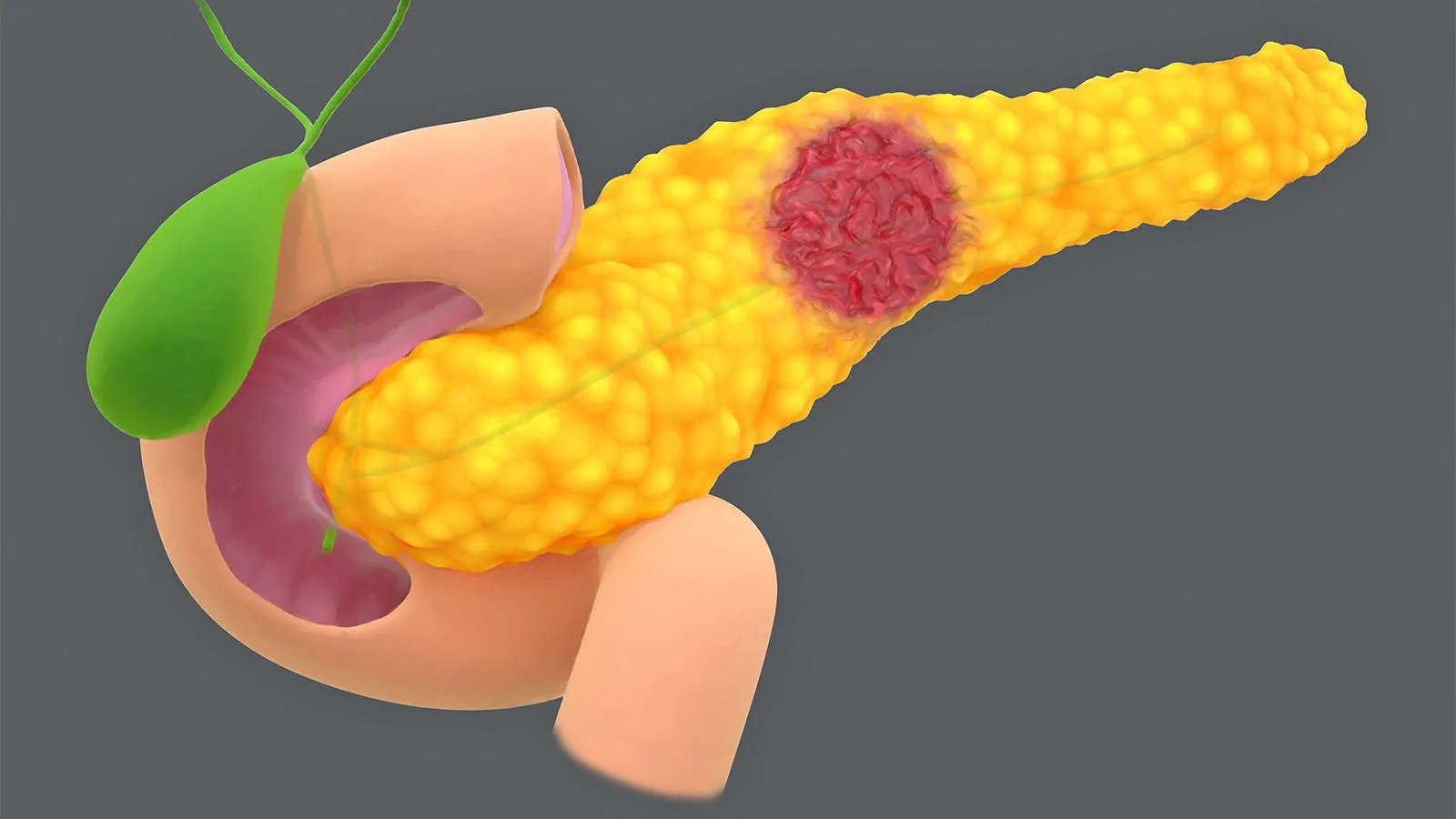
For patients over 80 with pancreatic ductal adenocarcinoma (PDAC), neoadjuvant therapy (NAT) alone doesn't extend survival after surgery. But there's a silver lining: patients who completed both neoadjuvant and adjuvant therapy saw meaningfully better outcomes. The findings, from a nationwide registry of over 3,400 patients, suggest that multimodal treatment may be the key for this older population.
A large nationwide registry study has found that neoadjuvant therapy (NAT) — treatment given before surgery — does not significantly improve survival in patients aged 80 and older with pancreatic ductal adenocarcinoma (PDAC). The study, published in the Journal of Gastroenterology, analyzed data from 3,438 patients who underwent pancreatectomy between 2012 and 2020.
While NAT showed no standalone survival benefit, adjuvant therapy (AT) — treatment given after surgery — was clearly linked to improved overall survival. Even more promising: patients who completed both NAT and AT (a multimodal approach) achieved the best outcomes of all groups studied.
By the Numbers
Why it matters: As pancreatic cancer rates rise among older adults, treatment decisions for this population are increasingly critical. These findings suggest clinicians should prioritize adjuvant therapy and consider multimodal strategies — rather than NAT alone — when treating PDAC patients over 80.