Loading Curie Briefs...
Getting the latest healthcare news for you
Getting the latest healthcare news for you

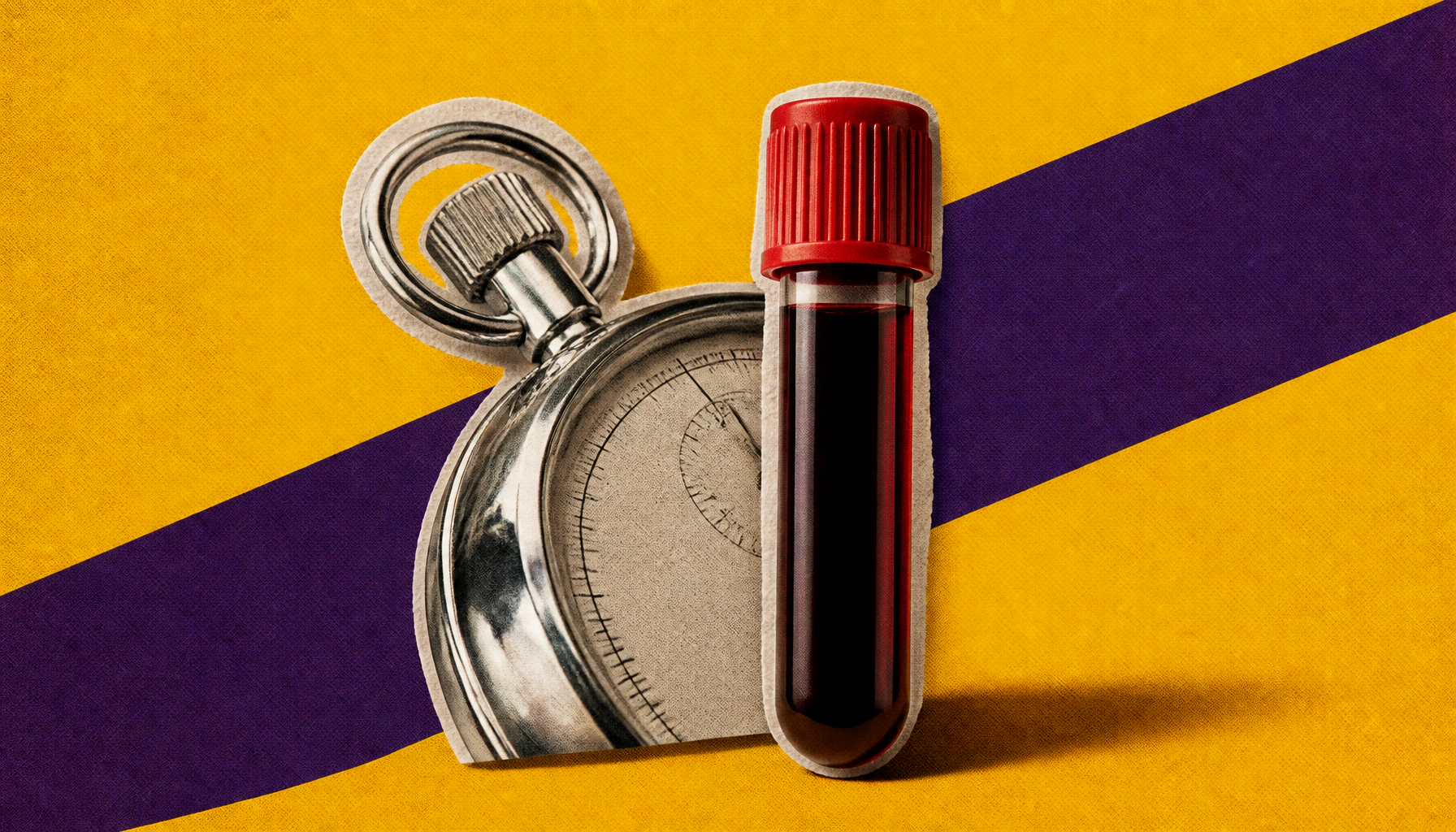
Just 3 minutes of all-out sprinting dramatically reshapes the bloodstream in ways that 90 minutes of moderate exercise simply can't. Researchers found that six 30-second sprints altered nearly a quarter of blood proteins measured and over 200 metabolites — changes linked to lower risks of obesity, type 2 diabetes, and even slower biological aging. Moderate cycling? It barely moved the needle.
Think you don't have time to exercise? A new study from Rockefeller University suggests that just three minutes of intense effort — six 30-second all-out sprints — can trigger a sweeping molecular response in the body that far outpaces what 90 minutes of moderate cycling or running can achieve. The sprint session altered nearly one-quarter of all blood proteins measured immediately after exercise, along with more than 200 metabolites. Moderate exercise, by contrast, changed less than one-quarter of one percent of blood proteins right away.
The proteins surging after sprinting were tied to blood vessel growth, tissue remodeling, and hormonal signaling — and many were linked to lower risks of cardiovascular and metabolic disease. When researchers cross-referenced these proteins with data from over 53,000 UK Biobank participants, the results were striking: of 33 proteins associated with lower metabolic disease risk, 32 were triggered by sprinting, versus just three by moderate exercise. Over a quarter of those proteins were also associated with slower biological aging.
By the Numbers
Why it matters: These findings could reshape how clinicians counsel patients on exercise — especially those with limited time. Short bursts of vigorous activity may deliver outsized metabolic and anti-aging benefits, making high-intensity interval training a powerful, time-efficient tool in preventive care.