Loading Curie Briefs...
Getting the latest healthcare news for you
Getting the latest healthcare news for you

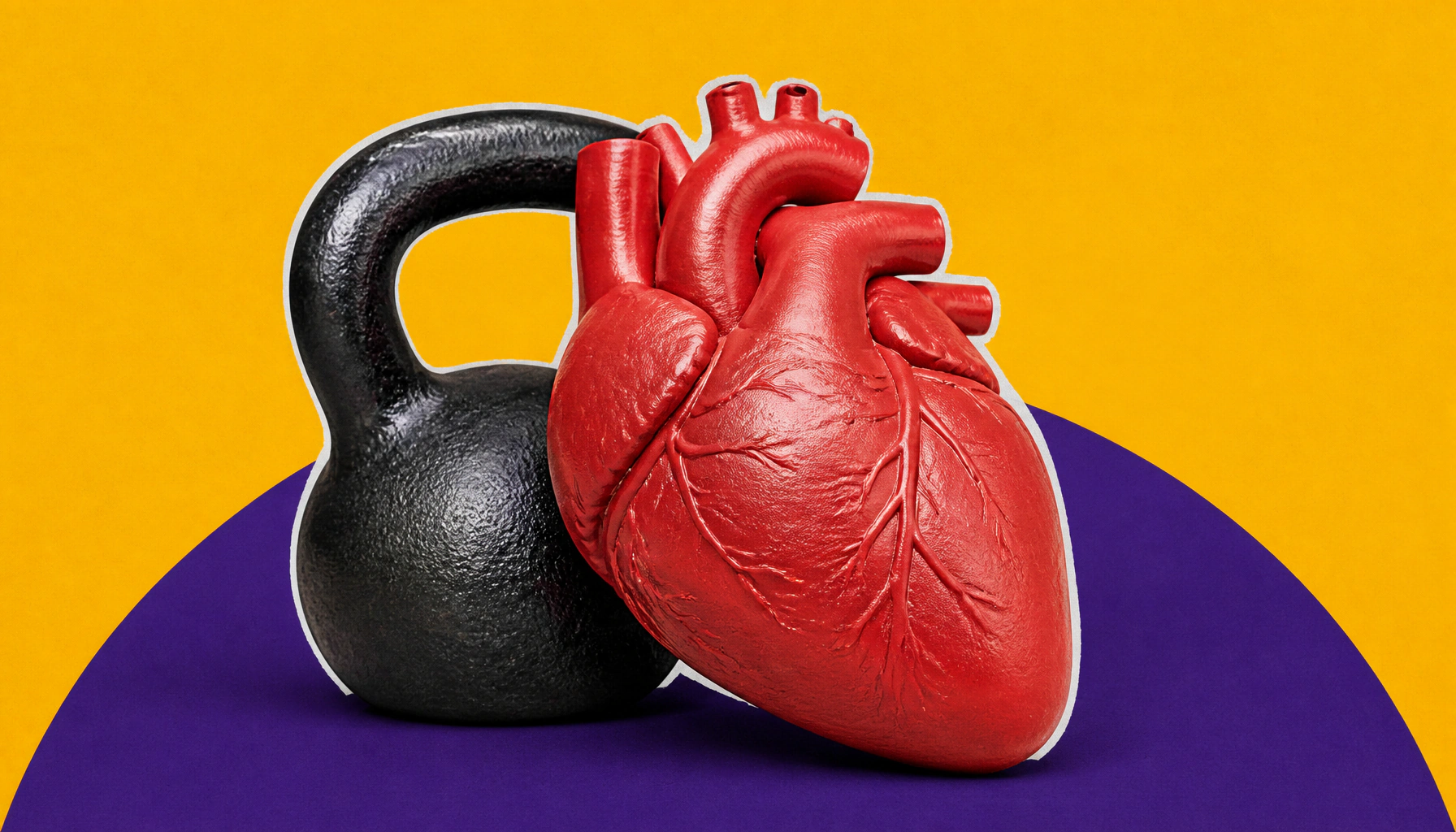
Resistance training isn't just for gym buffs — it's a powerful tool for heart health too. At the American Society for Preventive Cardiology Congress, a Mayo Clinic expert outlined how strength training improves cardiovascular risk factors, body composition, and quality of life, even in patients with existing heart disease. The American College of Sports Medicine now recommends at least 10 sets per week for healthy adults.
Resistance training isn't just about building muscle — it's a cornerstone of cardiometabolic health. At the American Society for Preventive Cardiology Congress on CVD Prevention, Dr. Matthew Martinez of Mayo Clinic made the case that strength training benefits go well beyond aesthetics, improving cardiovascular risk, glucose regulation, blood pressure, lipid profiles, and body composition. His message: both dynamic and static strength matter, and clinicians should be routinely prescribing resistance training alongside aerobic exercise.
For patients with existing heart disease, the benefits are equally compelling. Resistance training can be safe and effective in stable coronary artery disease, post-MI recovery, heart failure, and peripheral artery disease — with appropriate monitoring. The key is an individualized, measured approach, especially for those with thoracic aortic disease, who should avoid large blood pressure surges and focus on controlled breathing and smooth tempo.
Key Takeaways:
Why it matters: Strength training is an underutilized prescription in cardiology. With growing evidence supporting its role across the cardiometabolic spectrum, clinicians have a clear opportunity to integrate resistance training into routine exercise counseling for both prevention and rehabilitation.