Loading Curie Briefs...
Getting the latest healthcare news for you
Getting the latest healthcare news for you

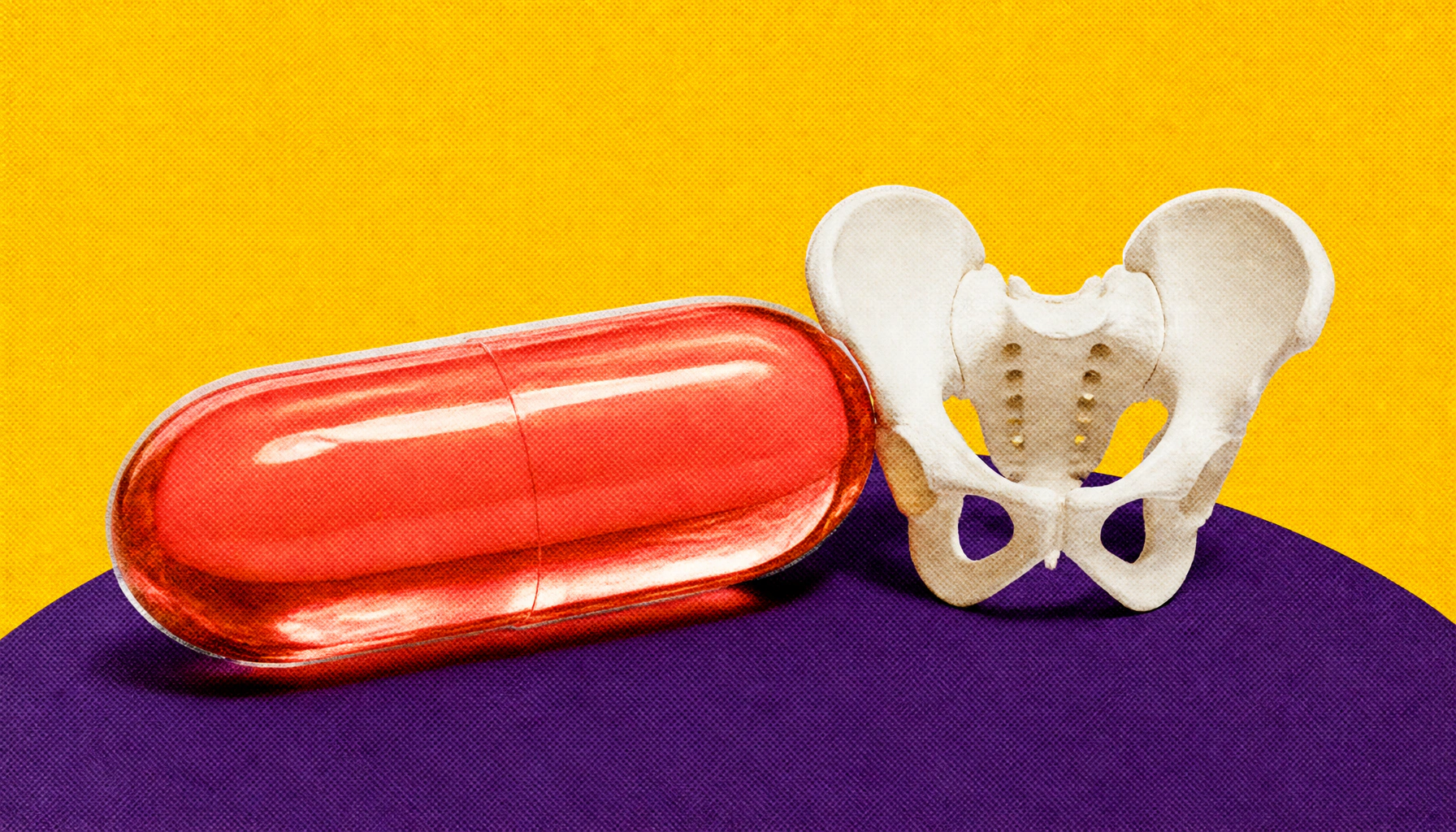
A diet rich in antioxidants may help protect against cervical cancer. A new study found that US women with the highest antioxidant intake had a 55.8% lower prevalence of cervical cancer compared to those with the lowest intake. Researchers suggest antioxidants may work by modulating immune responses, oxidative stress, and inflammation linked to HPV.
A diet packed with antioxidants could be a meaningful tool in cervical cancer prevention, according to a new study published in the International Journal of Gynecology & Obstetrics. Researchers used the Composite Dietary Antioxidant Index (CDAI) — a validated score measuring intake of vitamins A, C, D, E, carotenoids, zinc, and selenium — to examine its relationship with cervical cancer prevalence among US women using 15 years of national survey data.
The cross-sectional study included 1,044 women (174 with a history of cervical cancer, 870 matched controls). Every unit increase in CDAI was associated with an 11.4% lower prevalence of cervical cancer, and women in the top antioxidant intake group had a 55.8% lower prevalence than those in the lowest group. The association held steady across subgroups defined by age, race, BMI, smoking status, and more.
By the Numbers:
Why it matters: While the findings are observational and can't prove causation, they add to growing evidence that diet — specifically antioxidant-rich foods like fruits, vegetables, and whole grains — may play a role in reducing cervical cancer risk, potentially by dampening the inflammation and oxidative stress that fuel HPV-related cancer development.