Loading Curie Briefs...
Getting the latest healthcare news for you
Getting the latest healthcare news for you

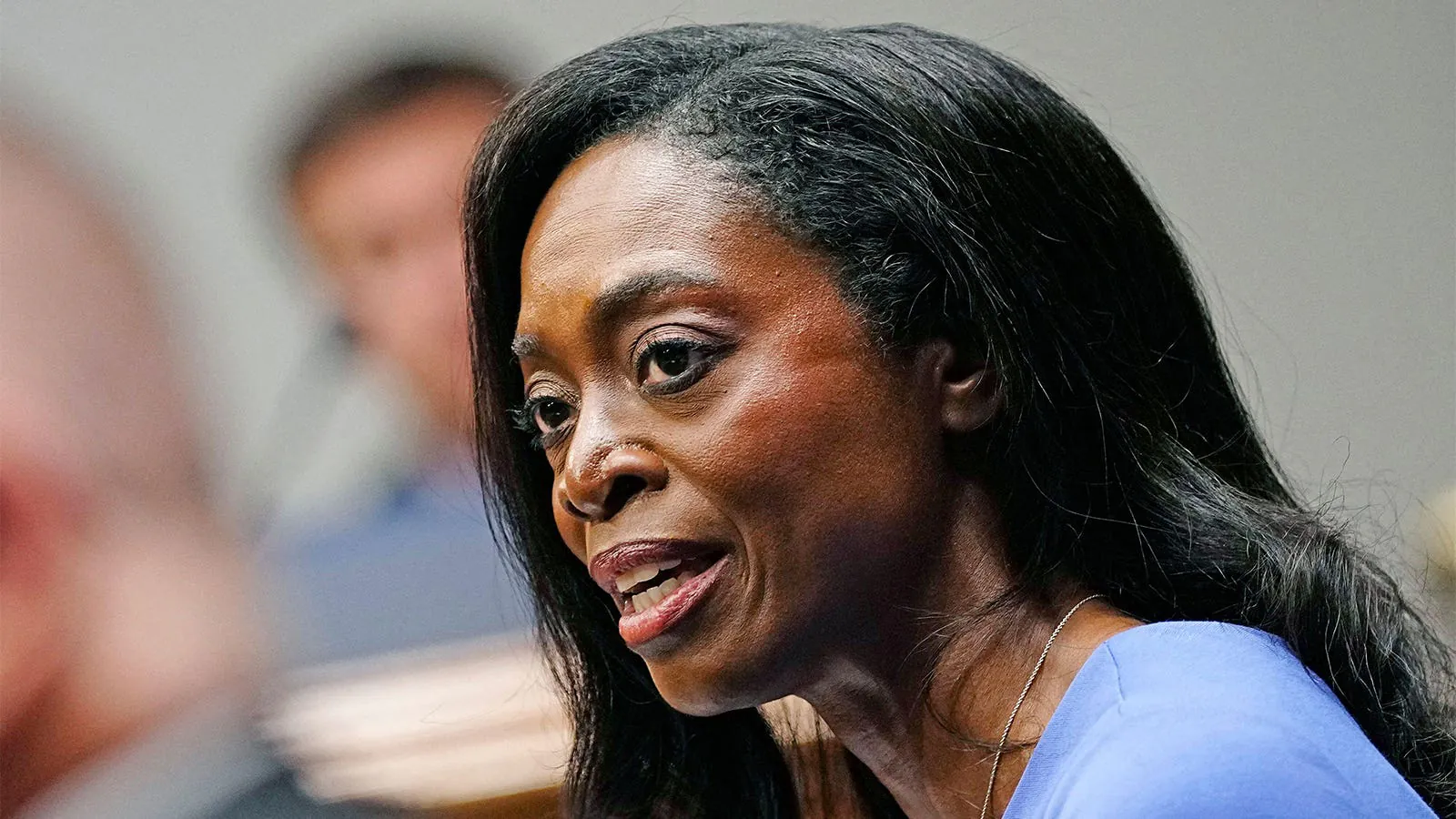
New CDC director Erica Schwartz pledged to "speak truth to power" — but then said she won't publicly disagree with her superiors. Critics argue the American public, not HHS Secretary RFK Jr., is who needs to hear the truth. With the CDC still hosting scientifically inaccurate vaccine content, confidence in Schwartz's ability to restore the agency's credibility is already wavering.
When Erica Schwartz, MD, MPH, took the helm at the CDC, she told colleagues she'd "speak truth to power" — a reassuring phrase that critics say fundamentally misses the point. As MedPage Today editor-in-chief Jeremy Faust argues, the real job of a CDC director is to inform the American public, especially those exposed to anti-science messaging — not simply to push back internally against political leadership that may already be aware of the facts and choosing to distort them.
That concern deepened when Schwartz reportedly told CDC staff she would not publicly disagree with her superiors, citing her military background and respect for hierarchy. Critics argue this posture is at odds with the transparent public accountability the role demands. Her predecessor, Susan Monarez, was fired after just 29 days for standing up to HHS Secretary RFK Jr. on vaccines — a contrast that has not gone unnoticed.
The stakes are concrete: as of August 20, a CDC webpage still states that "'vaccines do not cause autism' is not an evidence-based claim" — language Kennedy pushed through during his tenure. Schwartz's promise to restore scientific rigor rings hollow while such content remains live.
Key Takeaways:
Why it matters: The CDC is the nation's primary public health authority. If its director won't publicly correct misinformation from political superiors, the agency's ability to protect public trust — and public health — is fundamentally at risk.


