Loading Curie Briefs...
Getting the latest healthcare news for you
Getting the latest healthcare news for you

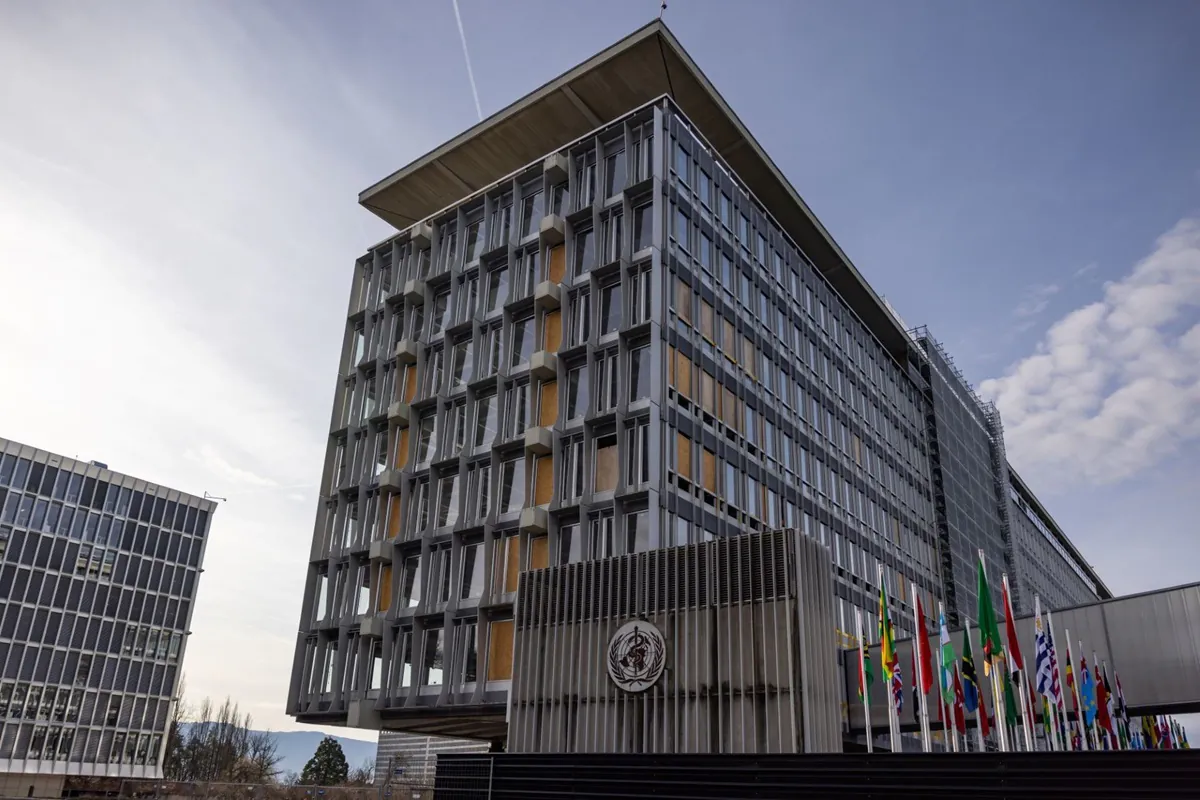
WHO is teaming up with top Chinese universities to strengthen global health emergency readiness. Agreements with both Peking University and Tsinghua University will drive research, training, and AI-powered tools to bolster preparedness. These partnerships are part of WHO's growing network of academic collaborations aimed at building evidence-based, resilient health systems worldwide.
The World Health Organization is deepening its commitment to global health security through two major academic partnerships with leading Chinese universities. WHO signed a two-year collaboration agreement with Peking University's Institute for Global Health (running August 2026–July 2028), and separately launched a partnership with Tsinghua University's Vanke School of Public Health in July 2026 — both aimed at strengthening health emergency preparedness worldwide.
Both agreements fall under WHO's Department of Health Emergency Preparedness and align with its Fourteenth General Programme of Work. The Tsinghua partnership notably incorporates frontier technologies, including AI-enabled decision-support tools, while the Peking University collaboration focuses on operational research, training on WHO preparedness tools, and developing methodologies to measure the impact of preparedness investments.
Key Takeaways:
Why it matters: As the world continues to grapple with pandemic risks, these partnerships signal a strategic push to ground emergency preparedness in rigorous science and cutting-edge technology — helping countries respond faster and smarter when the next health crisis hits.


