Loading Curie Briefs...
Getting the latest healthcare news for you
Getting the latest healthcare news for you

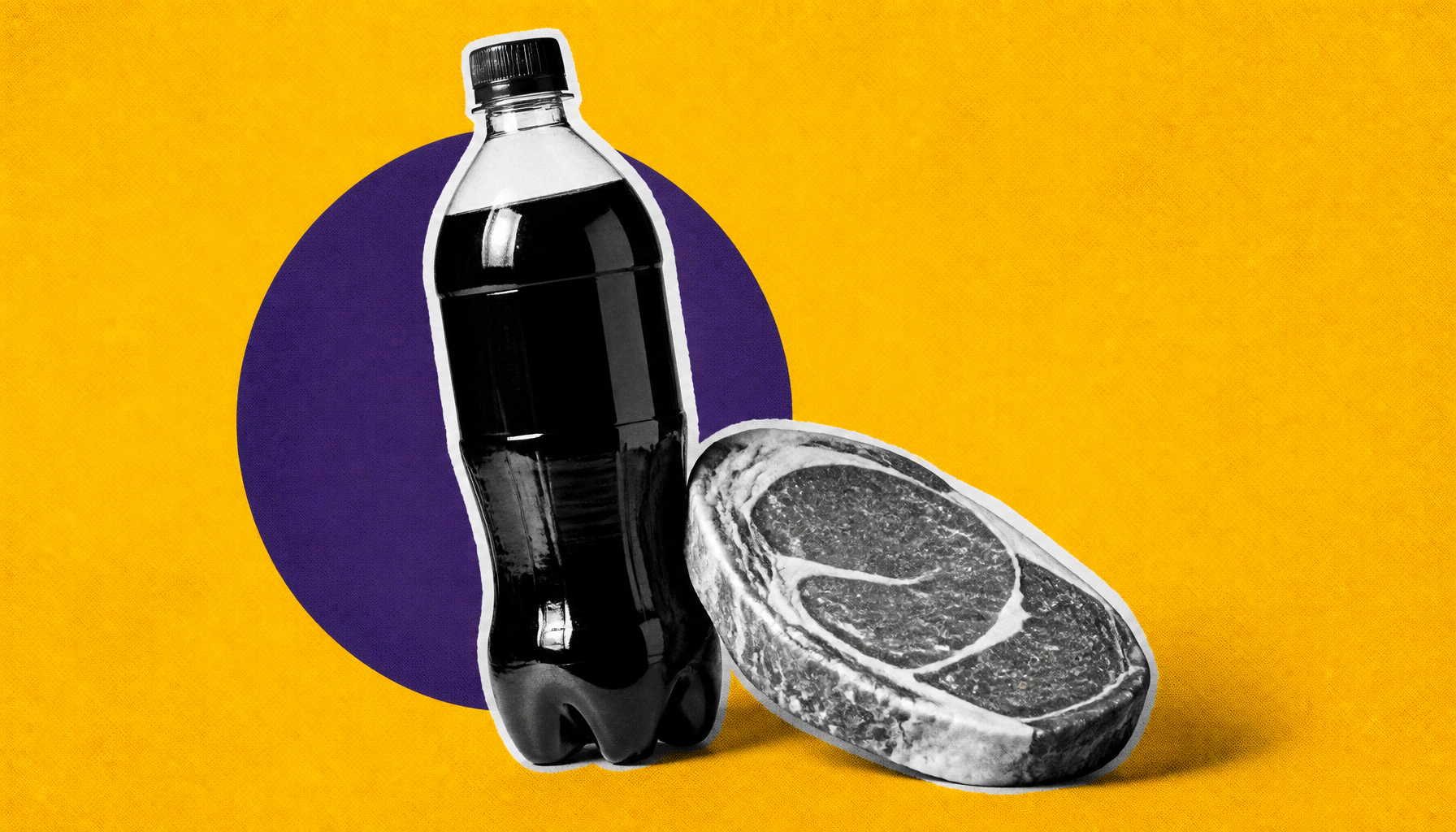
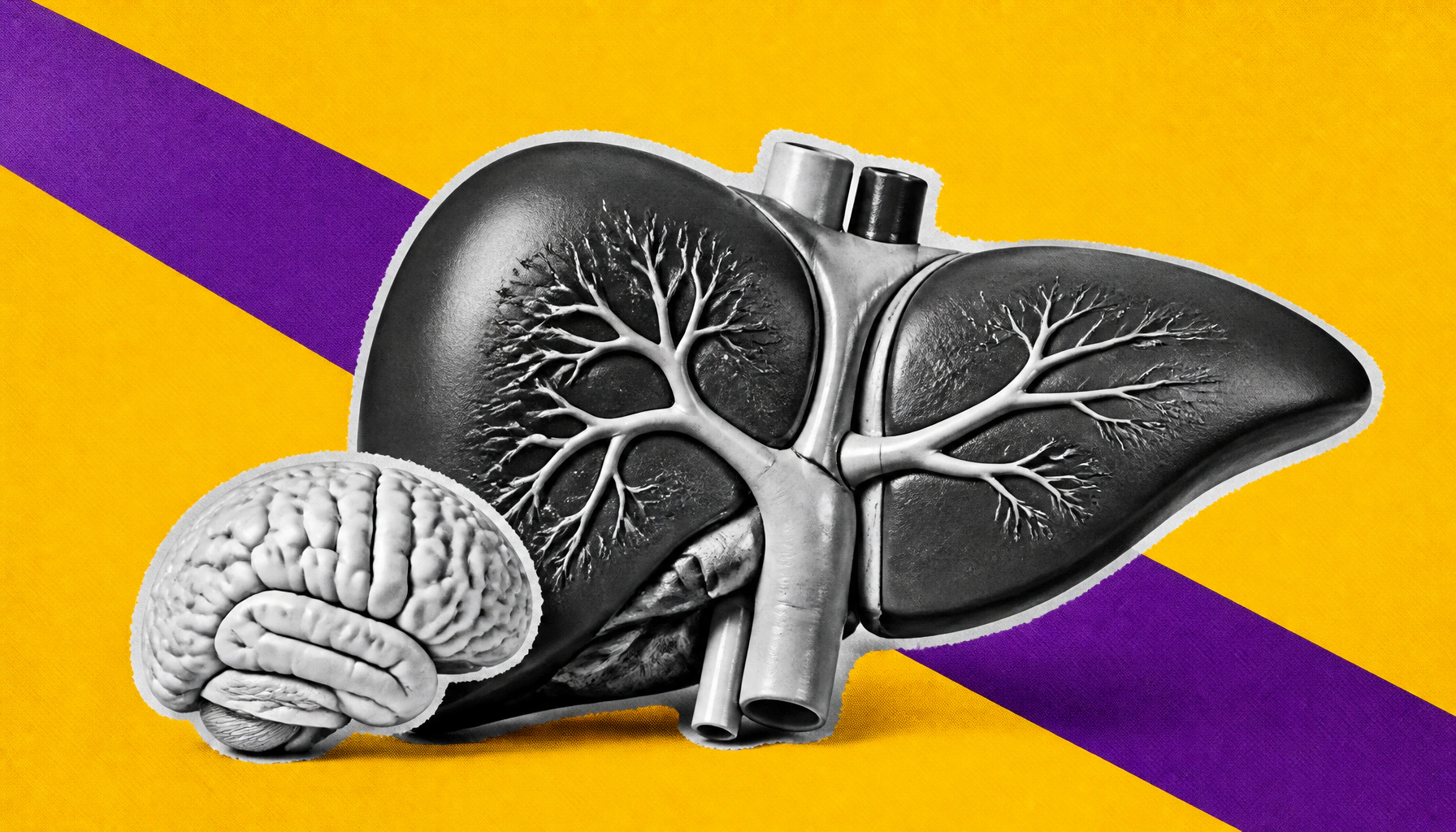
Forget fat — fructose and red meat are the bigger threats to your liver. Metabolic dysfunction-associated steatotic liver disease (MASLD) affects roughly 30% of adults worldwide, and evidence points to sugary drinks, high-fructose corn syrup, and processed meats as the primary dietary drivers. The Mediterranean diet, rich in fiber and healthy fats, remains the gold-standard dietary pattern for prevention and management.
When most people think "fatty liver," they picture greasy food — but the science tells a different story. The real dietary villains behind metabolic dysfunction-associated steatotic liver disease (MASLD) are excess fructose (think sodas, fruit juices, and ultra-processed snacks) and red and processed meats. Unlike glucose, fructose bypasses insulin regulation and heads straight to the liver, where it drives fat production, promotes inflammation, and sets the stage for disease progression.
Whole fruit, however, gets a pass. Its fiber matrix slows fructose absorption and supports a healthy gut microbiome — a key player in the gut-liver axis that influences MASLD risk. Red and processed meats, meanwhile, bring saturated fats, heme iron, and nitrates that compound insulin resistance and cardiometabolic risk.
The Mediterranean diet — heavy on fish, vegetables, legumes, nuts, and healthy fats, light on red meat and refined sugars — has the strongest evidence base, with one trial showing a ~39% reduction in liver fat content vs. 7% with a low-fat diet.
Key Takeaways:
Why it matters: MASLD is largely silent until advanced, making dietary counseling one of the most powerful — and underutilized — tools in primary prevention. These are low-cost, scalable interventions clinicians can recommend today.