Loading Curie Briefs...
Getting the latest healthcare news for you
Getting the latest healthcare news for you

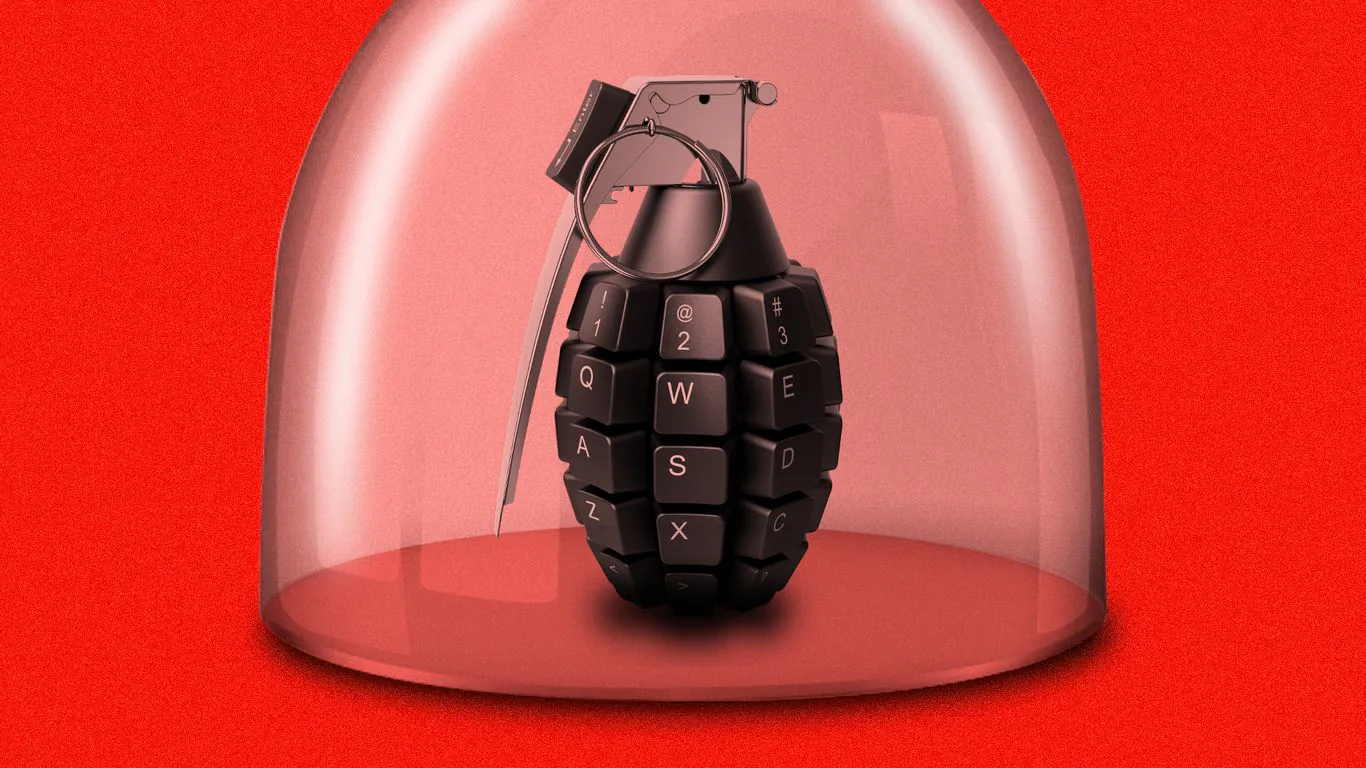
AI-enabled bioweapons are a real — and growing — threat, but a new RAND report says they're manageable with the right safeguards. The report lays out nine mitigation strategies targeting everyone from lone actors to state-backed groups. The key: controlling access to biological data and tools before they fall into the wrong hands.
AI is accelerating drug discovery and biological research at a breathtaking pace — but that same power could be weaponized. A new RAND report warns that AI is rapidly lowering the bar for who can design a biological weapon, expanding the threat landscape from sophisticated state actors to individuals with limited expertise. The good news? The report argues this is a manageable risk — if the right players act now.
The report outlines nine mitigation strategies spanning government, tech companies, the scientific community, and the public health sector. These include managing access to sensitive biological information, disrupting access to materials needed to build weapons, and reframing public health preparedness as a form of deterrence — not just outbreak response. RAND lead author Steph Guerra noted that "most dangerous thresholds have not yet been crossed," but urgency is real given how fast AI capabilities in biology are advancing.
Key Takeaways:
Why it matters: The same AI tools driving today's most exciting medical breakthroughs could, without guardrails, enable catastrophic harm. Getting the balance right between open science and biosecurity is one of the defining policy challenges of the AI era.


