Loading Curie Briefs...
Getting the latest healthcare news for you
Getting the latest healthcare news for you

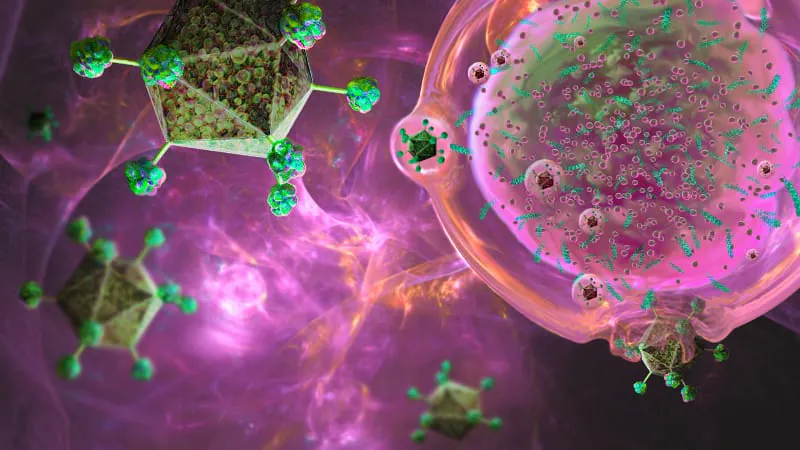
Getting the chemo dose just right could make CAR T-cell therapy work better. A new study found that patients with relapsed/refractory large B-cell lymphoma who hit the optimal fludarabine exposure window during pre-treatment chemotherapy had significantly better progression-free survival after CAR T-cell therapy. Only 44% of patients landed in that sweet spot — suggesting personalized dosing could be a meaningful opportunity for improvement.
A new prospective study out of Spain suggests that how much fludarabine a patient absorbs during lymphodepletion chemotherapy — the prep regimen before CAR T-cell infusion — could meaningfully affect their cancer outcomes. Researchers tracked 54 patients with relapsed/refractory large B-cell lymphoma (LBCL) and found that those who hit the "optimal" fludarabine exposure window had dramatically better progression-free survival (PFS) than those who didn't.
The catch? Only 44% of patients actually landed in that optimal range, pointing to a significant opportunity for improvement through personalized, pharmacokinetics-guided dosing.
By the Numbers
Why it matters: CAR T-cell therapy is one of the most promising — and expensive — treatments for blood cancers. If optimizing the pre-treatment chemo dose can significantly extend how long patients stay in remission, that's a relatively accessible lever to pull. The authors are calling for wider use of pharmacokinetic modeling to personalize fludarabine dosing and maximize outcomes.