Loading Curie Briefs...
Getting the latest healthcare news for you
Getting the latest healthcare news for you

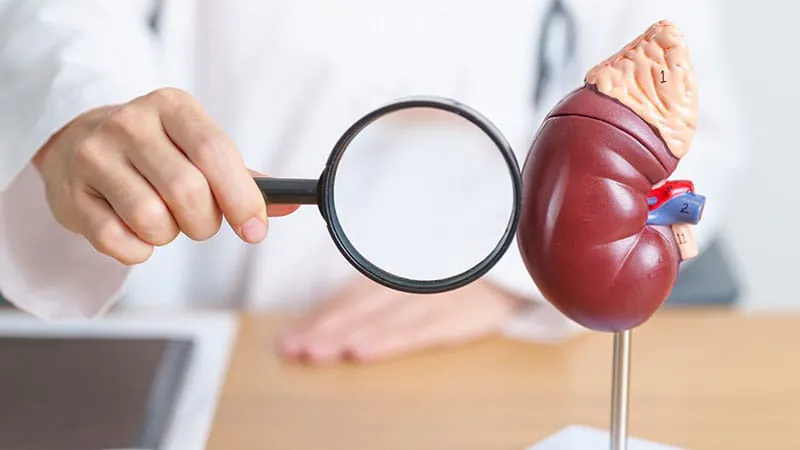
A nurse-led app-based sodium-restriction program helped chronic kidney disease (CKD) patients better understand sodium, but real-world adherence proved tricky. In a randomized trial, the digital intervention group scored significantly higher on sodium knowledge than controls. However, only 1 in 4 participants completed the key urine test needed to measure actual sodium intake.
A nurse-led digital program designed to help chronic kidney disease (CKD) patients cut back on sodium showed promising results for education — but hit a wall when it came to measuring real-world impact. In a randomized trial of 99 CKD patients in China, those using the Su Yi mobile app for four weeks — featuring structured lessons, gamified quizzes, peer competition, and personalized feedback — scored meaningfully higher on sodium knowledge than those who received a single educational session.
The catch? Only about 1 in 4 participants completed the 24-hour urine collection needed to assess actual sodium intake, forcing researchers to pivot from a full randomized controlled trial to a mixed-methods study. Qualitative interviews revealed that digital fatigue, family resistance, and poor fit with daily routines made it hard for patients to stay engaged over time.
Key Takeaways:
Why it matters: Digital health tools hold real promise for managing CKD — a condition where diet is critical — but this study is a reminder that engagement and real-life fit are just as important as the technology itself. Future tools will need to be designed with patients' daily lives in mind to truly move the needle.