Loading Curie Briefs...
Getting the latest healthcare news for you
Getting the latest healthcare news for you

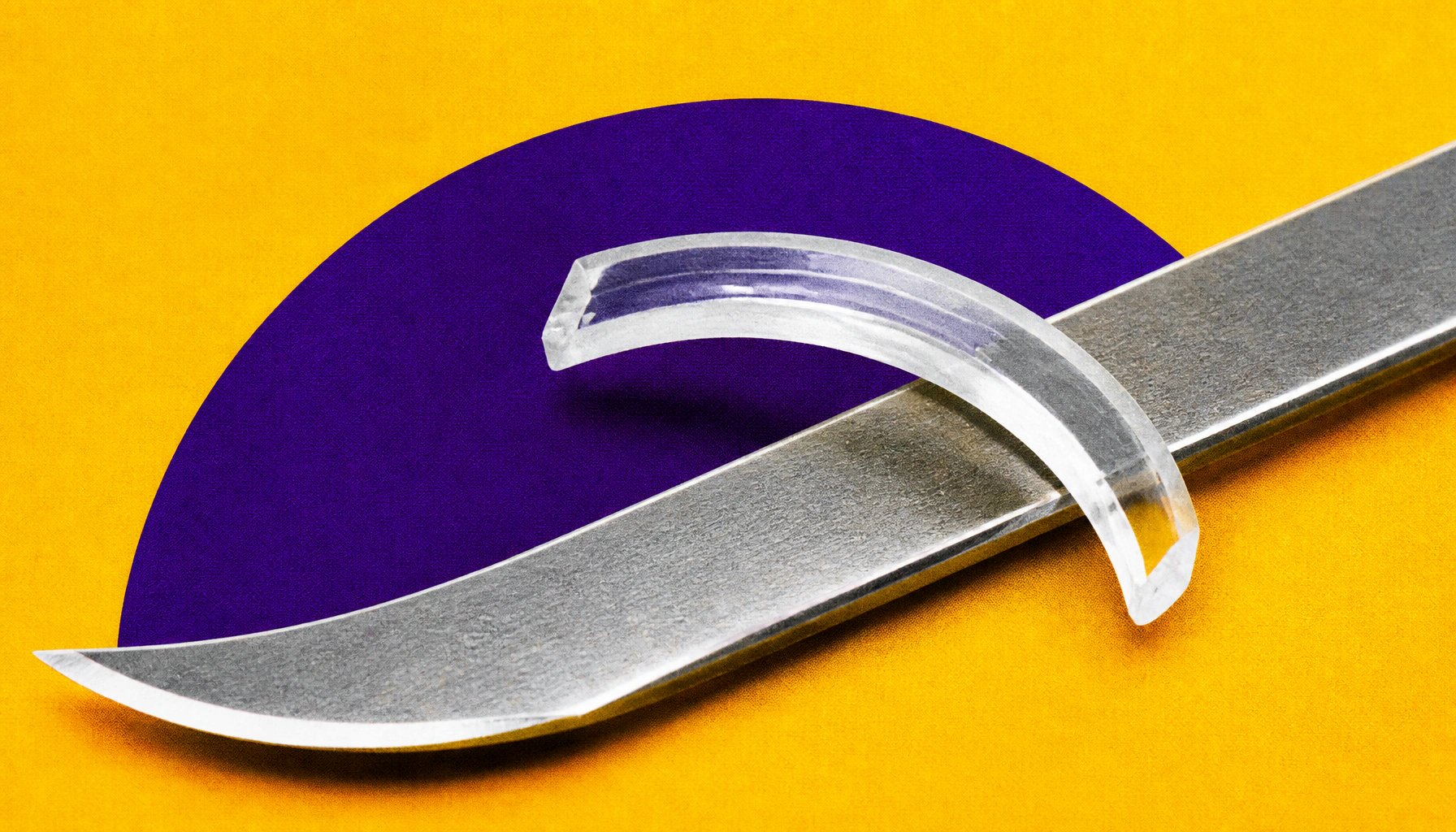
Less is more when it comes to corneal ring surgery. At the Kiawah Eye & Retina meeting, ophthalmologist Neel R. Desai, MD, shared practical tips for performing corneal allogenic intrastromal ring segment (CAIRS) procedures in keratoconus patients. His key message: resist the urge to over-customize, and straightforward planning can still deliver excellent outcomes.
At the Kiawah Eye & Retina meeting, Dr. Neel R. Desai offered a practical masterclass on performing corneal allogenic intrastromal ring segment (CAIRS) procedures for keratoconus using manual dissection — a technique he favors for its cost-effectiveness and its ability to follow natural corneal lamellae, unlike femtosecond laser methods that cut at a fixed depth regardless of anatomy.
Desai walked through a series of surgical pearls, from prep to placement. Before insertion, he dehydrates the segment on a sterile coffee warmer until it reaches a firm, manageable consistency, and rinses off the albumin solution from the eye bank to prevent crystallization and spur formation during insertion. During planning, he aligns the ring with the coma/steep axis of the cone — not the geometric center — and makes the initial incision at 60–70% depth to balance flattening effect against perforation risk.
Key Takeaways:
Why it matters: CAIRS is a growing option for keratoconus management, and manual dissection makes it more accessible by eliminating costly femtosecond laser equipment. Desai's streamlined approach shows that surgeons don't need elaborate customization to achieve strong results — a reassuring message for those adopting this technique.