Loading Curie Briefs...
Getting the latest healthcare news for you
Getting the latest healthcare news for you

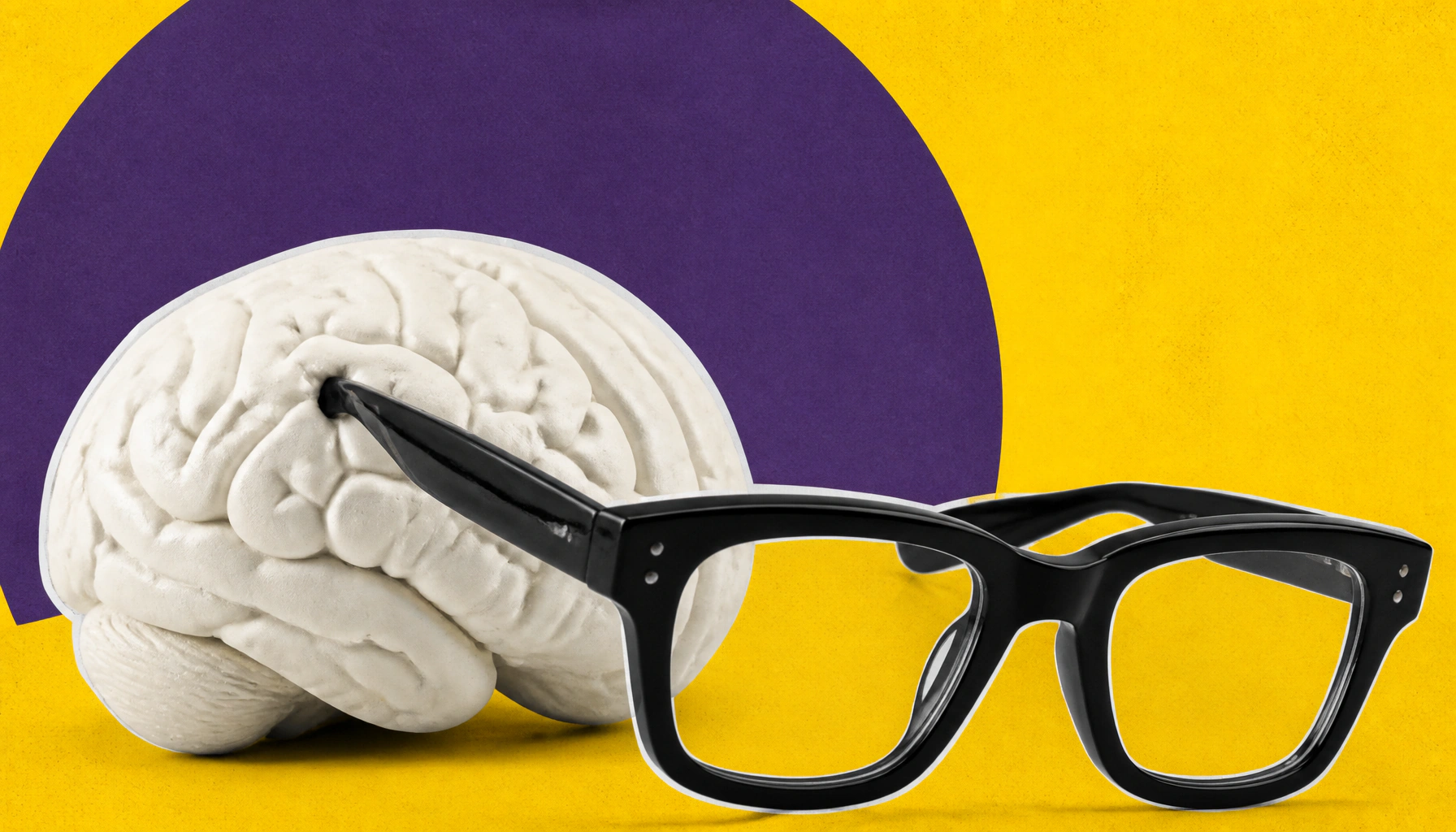
A new study finds that nursing home residents with worse vision are significantly more likely to experience cognitive impairment. The relationship follows a clear dose-response pattern — the more severe the visual impairment, the higher the odds of cognitive loss. Researchers say this highlights a major gap in eye care access for nursing home residents.
A cross-sectional study of nearly 10,000 nursing home residents has found a striking link between visual impairment and cognitive loss — and the worse the vision, the greater the risk. Presented at Optometry's Meeting, the research analyzed residents aged 65 and older from the Western North Carolina Nursing Home Study, categorizing them by visual acuity from normal vision to blindness.
The findings revealed a clear dose-response relationship: residents with normal vision had a 52.2% rate of cognitive loss, while those who were blind had a rate of 76.6%. After adjusting for other factors, residents with blindness had 2.7 times the odds of cognitive impairment compared to those with normal vision. Researchers used large language models to extract diagnoses and medications from medical records, adding a novel methodological layer to the analysis.
By the Numbers:
Why it matters: Many nursing home residents currently receive little to no eye care. Researchers argue that routine eye exams — which capture around 240 clinical variables including falls risk and comorbidities — could serve as a powerful tool for early identification of cognitive decline and improved overall wellbeing in this vulnerable population.