Loading Curie Briefs...
Getting the latest healthcare news for you
Getting the latest healthcare news for you


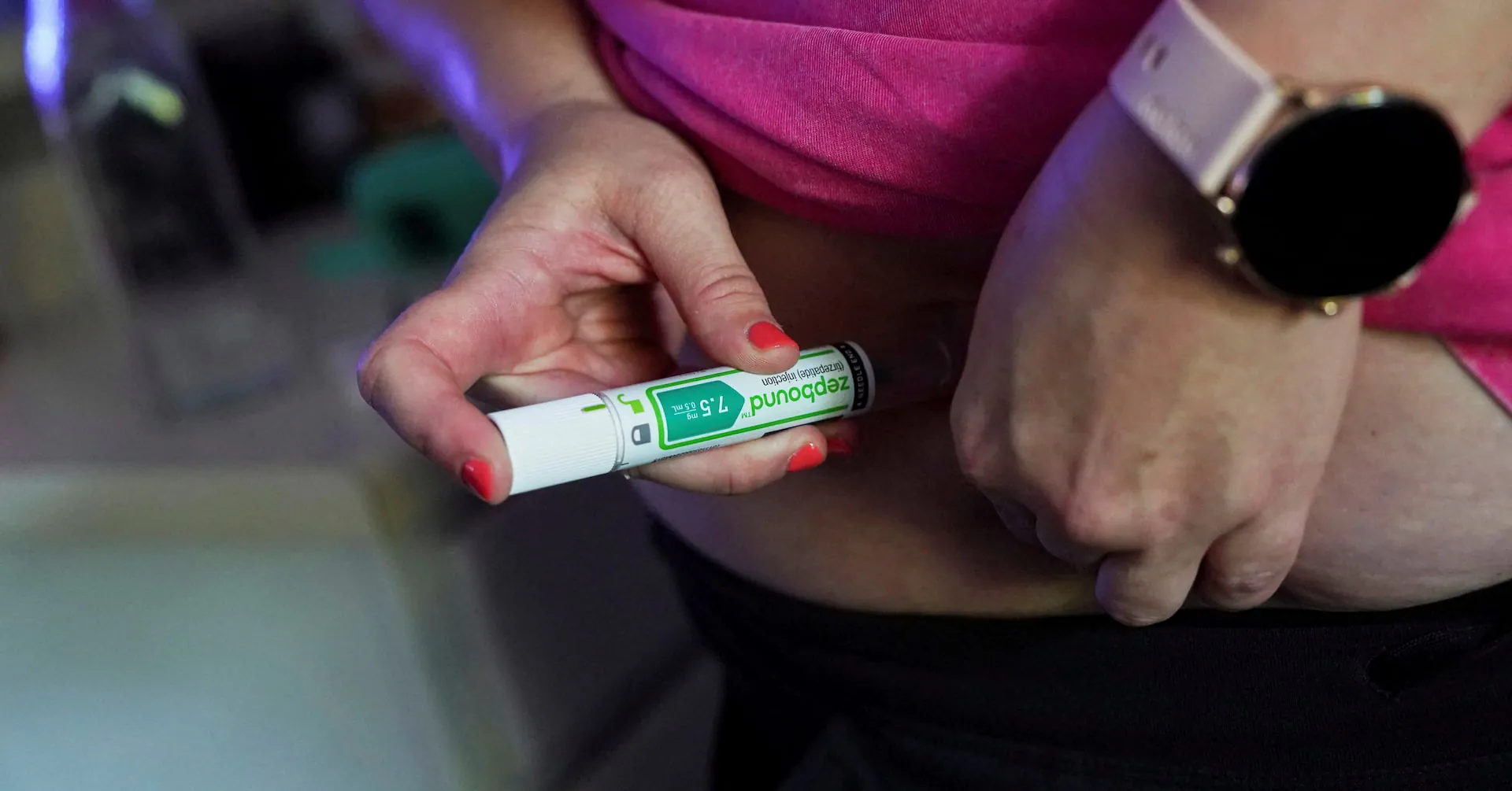
GLP-1 weight loss drugs aren't just shrinking waistlines—they're shrinking entire healthcare service lines. A new Wells Fargo report finds that the surge in GLP-1 use is disrupting everything from bariatric surgery to cardiology, forcing hospitals, insurers, and investors to rethink where future revenue will come from. The shift is moving care upstream toward prevention, but the near-term drug costs are steep.
GLP-1 weight loss drugs have become more than a blockbuster pharmaceutical category—they're triggering a structural reset across the entire healthcare industry. A new Wells Fargo report warns that a system built around treating obesity's downstream complications—think diabetes clinics, bariatric surgery, cardiology units, and orthopedics—is now under pressure as GLP-1s move obesity management upstream toward prevention.
The ripple effects are already showing up in the data. Bariatric surgery volumes dropped 34.1% between 2022 and 2024, even as GLP-1 use surged over 140% in the same period. Cardiovascular service lines face similar headwinds: the SELECT trial showed semaglutide cut major adverse cardiac events by 20% in high-risk patients without diabetes. As acute interventions decline, care is expected to shift toward outpatient management, specialty pharmacy, and long-term adherence support.
By the Numbers:
Why it matters: The financial calculus is complex—long-term savings from reduced complications are real, but near-term drug costs are enormous. The Wells Fargo report suggests the winners will be those who reposition toward prevention and integrated cardiometabolic care rather than defending legacy service lines.