Loading Curie Briefs...
Getting the latest healthcare news for you
Getting the latest healthcare news for you

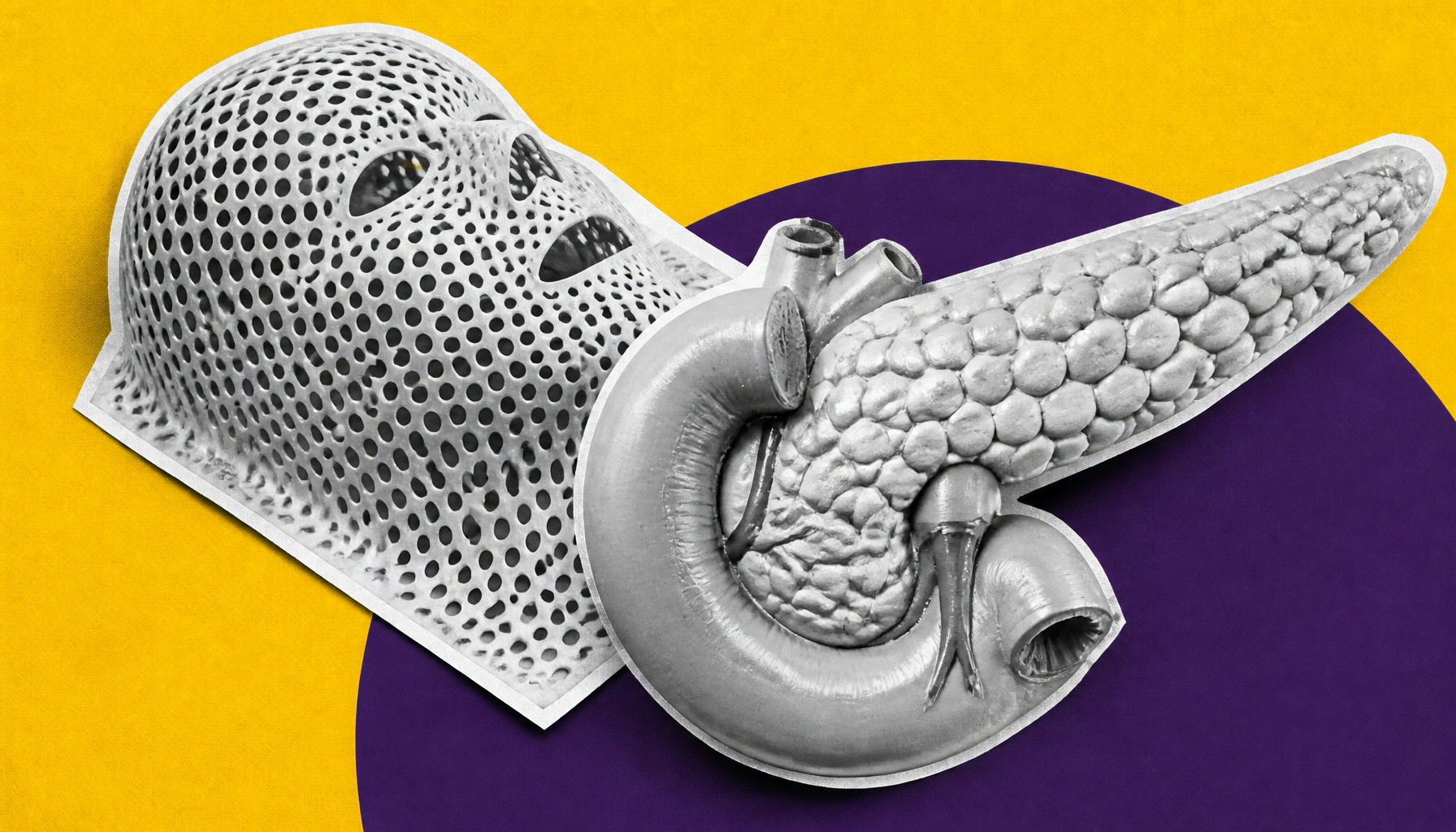
Radiation therapy gets a major guideline upgrade for pancreatic cancer. ASTRO has released an updated clinical guideline — its first since 2019 — clarifying when and how radiation therapy should be used across multiple disease settings, from resectable tumors to oligometastatic disease. Backed by new prospective trial data, the guidelines also endorse dose escalation and stereotactic body radiation therapy (SBRT) as key tools in the modern treatment arsenal.
Radiation therapy gets a major guideline upgrade for pancreatic cancer. The American Society for Radiation Oncology (ASTRO), in collaboration with ASCO and other major oncology societies, has released its first updated clinical guideline since 2019 on the use of radiation therapy in pancreatic cancer. The update reflects a wave of new prospective trial data and advances in systemic therapy that are extending patient survival — and, in turn, making local treatments like radiation more relevant than ever.
The guideline covers radiation's role across the full disease spectrum: resectable, borderline resectable, locally advanced, recurrent, metastatic, and palliative settings. Notably, it includes a strong recommendation for preoperative radiation in borderline resectable disease and endorses dose escalation for locally advanced tumors when modern image guidance and motion management are available — a significant shift from the 2019 version.
Key Takeaways:
Why it matters: As systemic therapies improve and patients live longer, durable local tumor control is becoming increasingly critical. These updated guidelines give oncology teams a clearer, evidence-based roadmap for integrating radiation into multidisciplinary pancreatic cancer care — potentially moving the field closer to managing this historically lethal disease as a chronic condition.