Loading Curie Briefs...
Getting the latest healthcare news for you
Getting the latest healthcare news for you

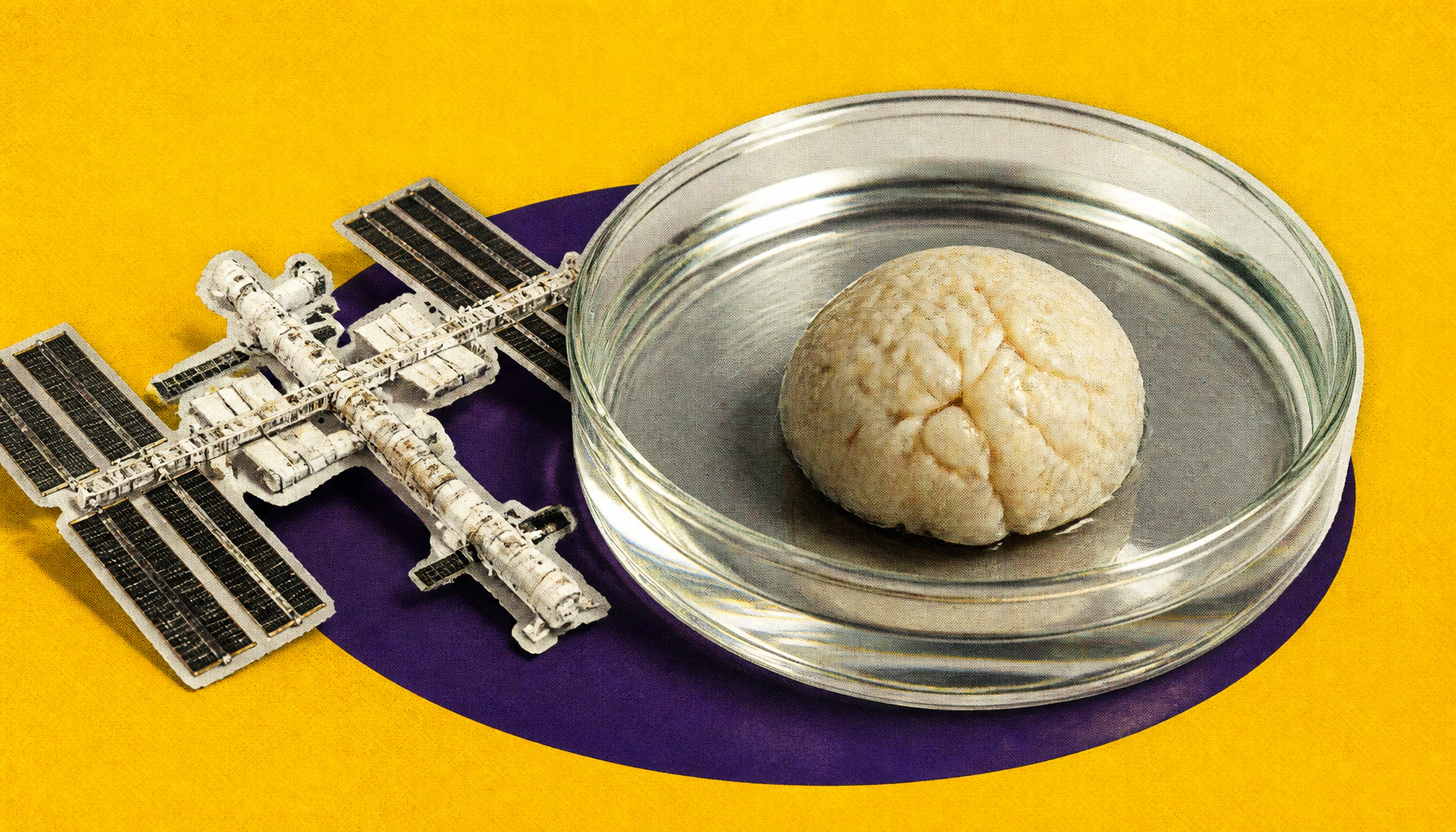
Brain organoids aboard the ISS are fast-tracking neurological research. Scientists discovered that space conditions accelerate signs of aging and neurodegeneration in brain models, leading to a clinical trial of lamivudine — an HIV drug — as a potential first-ever treatment for Rett syndrome. Researchers are now expanding the approach to study Parkinson's, multiple sclerosis, and Alzheimer's disease.
Scientists are using human brain organoids — tiny 3D brain models grown from stem cells — aboard the International Space Station (ISS) to study some of the most challenging neurological conditions, including Rett syndrome, Parkinson's disease, multiple sclerosis, and Alzheimer's disease. The microgravity environment appears to accelerate biological changes linked to aging and neurodegeneration, giving researchers a faster window into disease mechanisms that would take much longer to observe on Earth.
At UC San Diego, neuroscientist Alysson Muotri found that space-flown organoids from children with Rett syndrome showed dormant genetic elements switching on and triggering brain inflammation. That discovery led his team to test lamivudine, an antiretroviral HIV drug, as a potential treatment — and a clinical trial is now underway. Meanwhile, the National Stem Cell Foundation has conducted six ISS missions studying Parkinson's and multiple sclerosis organoids, consistently observing changes in neurodegeneration-linked gene networks.
Key Takeaways:
Why it matters: Space-based brain organoid research is moving from exploratory science to real clinical impact, potentially shortening the timeline for discovering treatments for devastating neurological conditions.