Loading Curie Briefs...
Getting the latest healthcare news for you
Getting the latest healthcare news for you

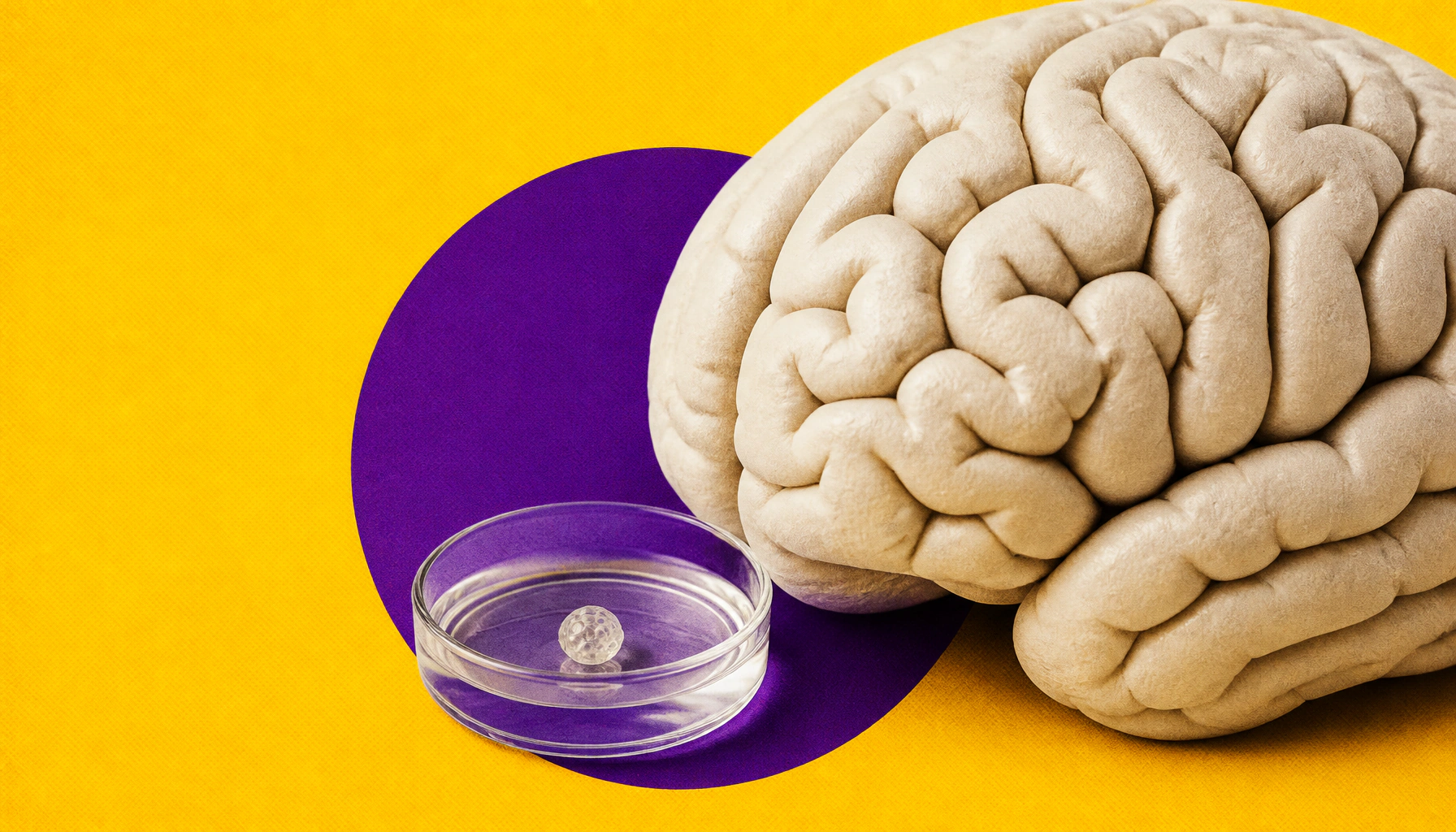
Scientists have kept lab-grown brain tissue alive and maturing for over five years — longer than ever before. Published in Nature, the study shows these brain organoids follow the same developmental timeline as the human brain, including changes that normally happen after birth. The breakthrough opens new doors for studying conditions like autism, schizophrenia, and neurodegeneration.
An international research team has achieved a major milestone: keeping lab-grown, 3D models of human brain tissue — called brain organoids — alive and actively developing for more than five years. Published in Nature, the findings show these organoids don't just survive; they mature in ways that closely mirror actual human brain development, including epigenetic changes and the emergence of cell types that normally appear only after birth.
The key to their success? Tweaking the culture medium to support spontaneous neuronal activity, which is critical during normal brain development. The team also found that mature organoid cells retain a "memory" of their developmental stage — older cells could be reactivated to produce neurons, but only those associated with later developmental periods.
Key Takeaways:
Why it matters: The human brain develops over two decades, making it notoriously hard to study. These long-lived organoids offer researchers an unprecedented window into prolonged neurodevelopment — and could accelerate breakthroughs in understanding and treating disorders like autism, schizophrenia, and neurodegenerative diseases.