Loading Curie Briefs...
Getting the latest healthcare news for you
Getting the latest healthcare news for you

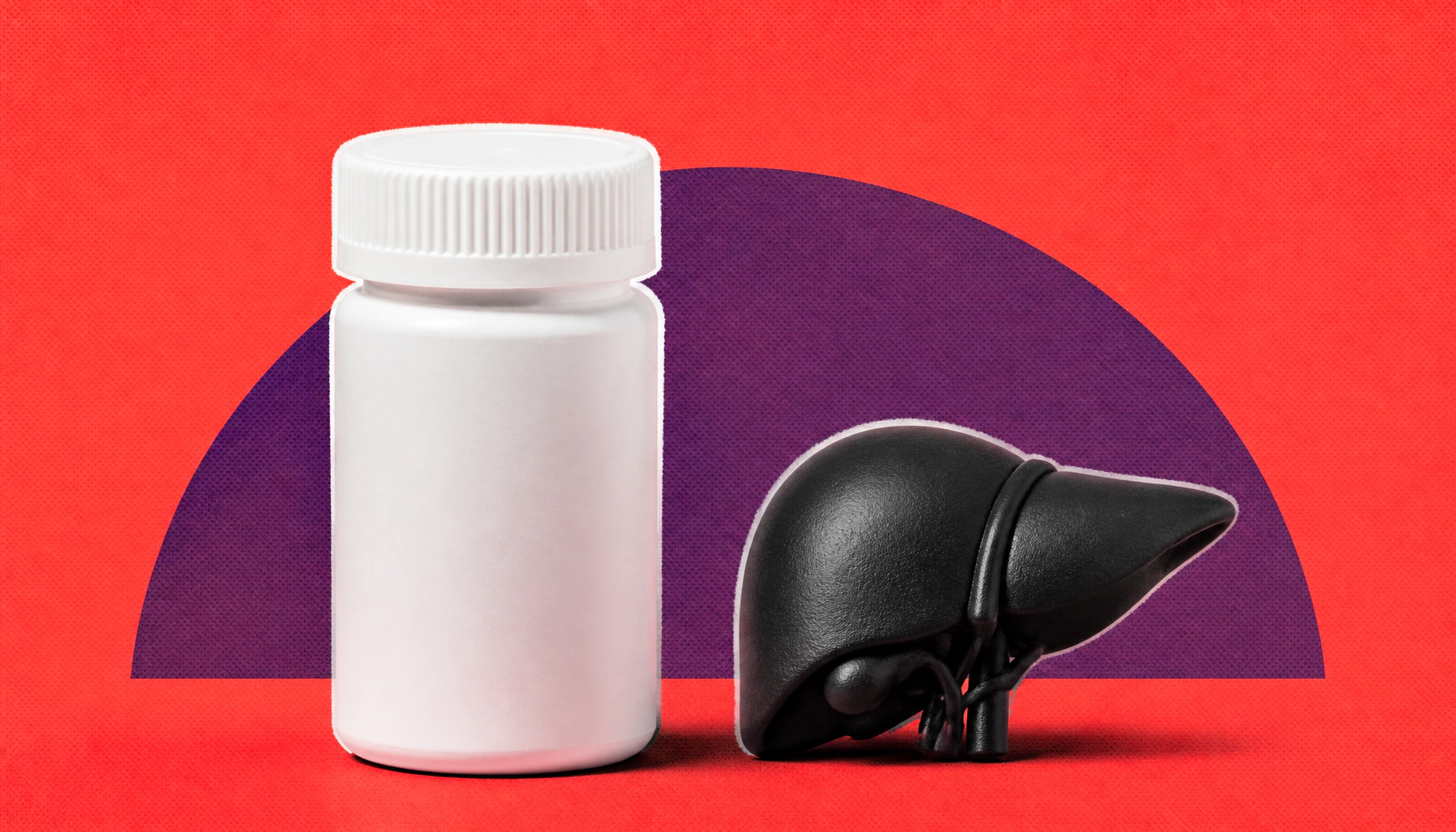
Liver injuries from foreign substances — especially acetaminophen — have skyrocketed in the U.S. A new study found a fourfold increase in xenobiotic-induced liver injury rates from 2000 to 2024, with acetaminophen alone being the top culprit. Over 80% of cases required hospitalization, signaling serious clinical concern.
Liver injuries caused by xenobiotics — substances foreign to the body like drugs and chemicals — have risen dramatically in the U.S. over the past two and a half decades. A retrospective analysis of the National Poison Data System, covering over 220,000 cases from 2000 to 2024, found that population-adjusted exposure rates more than quadrupled. Women accounted for 54% of exposures, and medication-related cases dominated across both sexes.
Acetaminophen (APAP) alone emerged as the single most implicated substance, particularly following regulatory actions in the early 2010s that curbed combination APAP products. Paradoxically, those actions were followed by a dramatic surge in standalone acetaminophen exposures — up nearly 349–380% in men and women, respectively.
By the Numbers:
Why it matters: This study underscores a growing and underappreciated public health burden. As acetaminophen remains one of the most widely used over-the-counter medications, clinicians and policymakers need to reassess safety messaging, dosing guidelines, and surveillance strategies to curb this rising tide of preventable liver injury.


