Loading Curie Briefs...
Getting the latest healthcare news for you
Getting the latest healthcare news for you

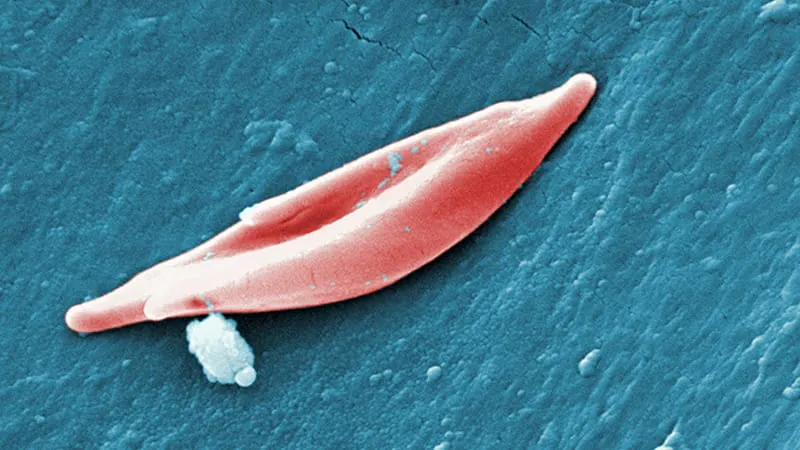
A promising treatment hits a wall. A phase 3 randomized controlled trial found that intravenous arginine therapy offered no benefit over placebo in reducing time to crisis resolution for children and young adults hospitalized with sickle cell disease acute pain episodes. The trial was stopped early for futility, adding to a growing list of failed phase 3 attempts to treat SCD acute pain.
Despite encouraging results from earlier studies, intravenous arginine therapy has failed to outperform placebo in a large phase 3 randomized controlled trial involving 271 children and young adults hospitalized for sickle cell disease (SCD) acute pain episodes. The trial — conducted across 10 US children's hospitals — was halted early after a second interim analysis showed less than 6% conditional power for achieving its primary endpoint.
Participants aged 3–21 years were randomized to receive either IV arginine or saline placebo. Median time to crisis resolution was nearly identical between groups (60.8 vs. 65.8 hours), and no differences were found in opioid use, pain scores, or patient-reported outcomes.
By the Numbers
Why it matters: This trial underscores a persistent challenge in SCD care — every US-based phase 3 RCT targeting acute pain has so far failed to deliver on phase 2 promise. With no FDA-approved drugs for SCD acute pain, the search for effective therapies remains urgent.