Loading Curie Briefs...
Getting the latest healthcare news for you
Getting the latest healthcare news for you

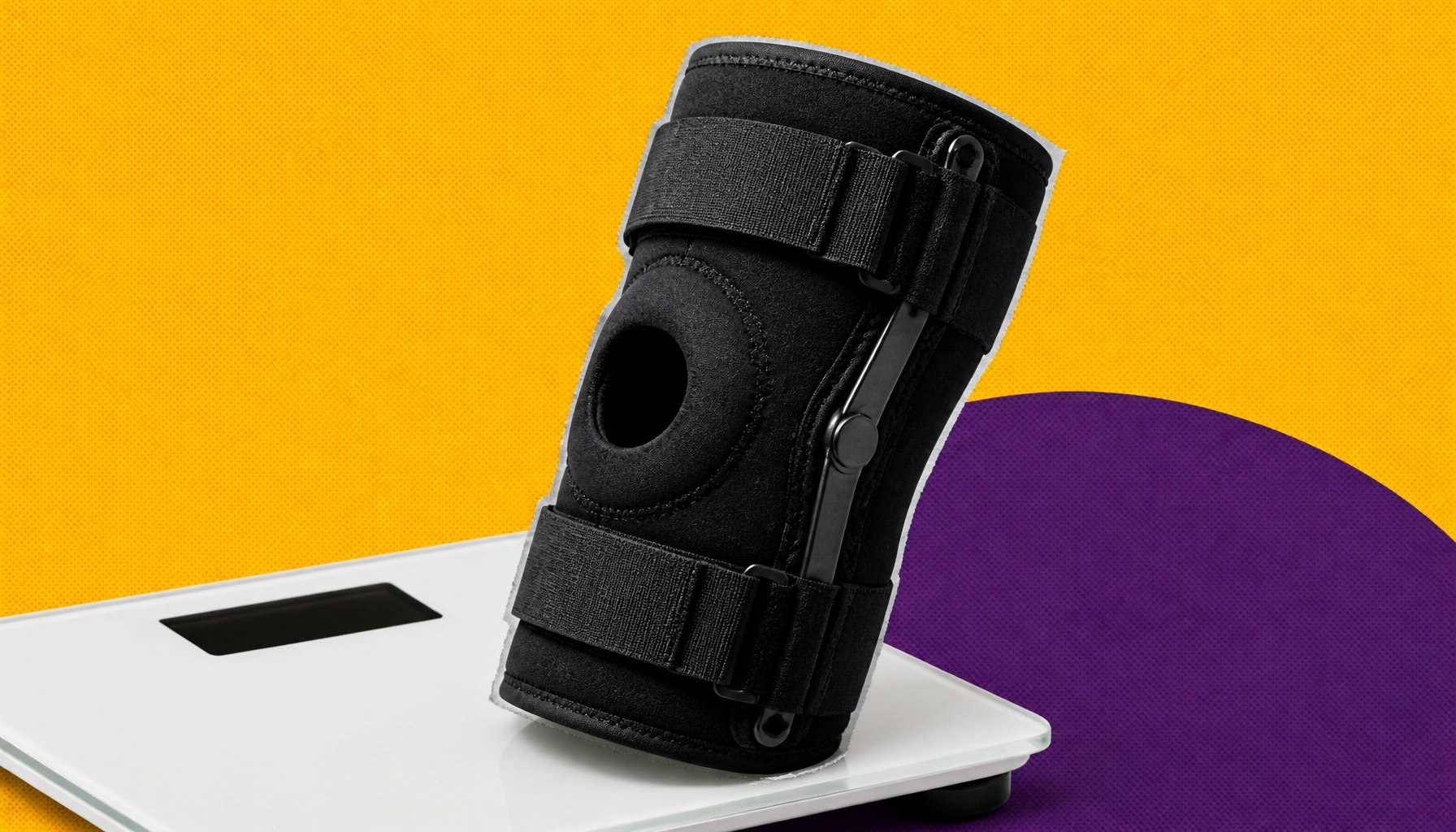
Your knees don't have to give out just because you're getting older. Knee osteoarthritis affects over 30 million Americans, but lifestyle changes — like losing weight, strengthening leg muscles, and eating an anti-inflammatory diet — can meaningfully reduce pain and even lower your risk of developing the condition in the first place. Family history isn't destiny here.
Knee osteoarthritis is one of the most common joint conditions in the U.S., affecting more than 30 million adults — and the knee is the most frequently impacted joint. As cartilage gradually breaks down, pain and stiffness can interfere with work, physical activity, and overall quality of life. Risk factors include weak leg muscles, obesity, older age, prior knee injury, female sex, and family history. But the condition is far from inevitable.
Experts say a combination of lifestyle changes and medical treatments can both manage existing osteoarthritis and help prevent it. Strengthening thigh muscles, maintaining a healthy weight, and eating a diet rich in whole grains, fruits, and vegetables can all make a real difference. When lifestyle changes aren't enough, options like knee braces, anti-inflammatory medications, cortisone injections, and even knee replacement surgery are available.
Key Takeaways:
Why it matters: With roughly half of osteoarthritis cases occurring in working-age adults, the condition carries real economic and public health consequences. Empowering patients with actionable prevention and management strategies can reduce disability, improve quality of life, and ease the broader burden on the healthcare system.