Loading Curie Briefs...
Getting the latest healthcare news for you
Getting the latest healthcare news for you

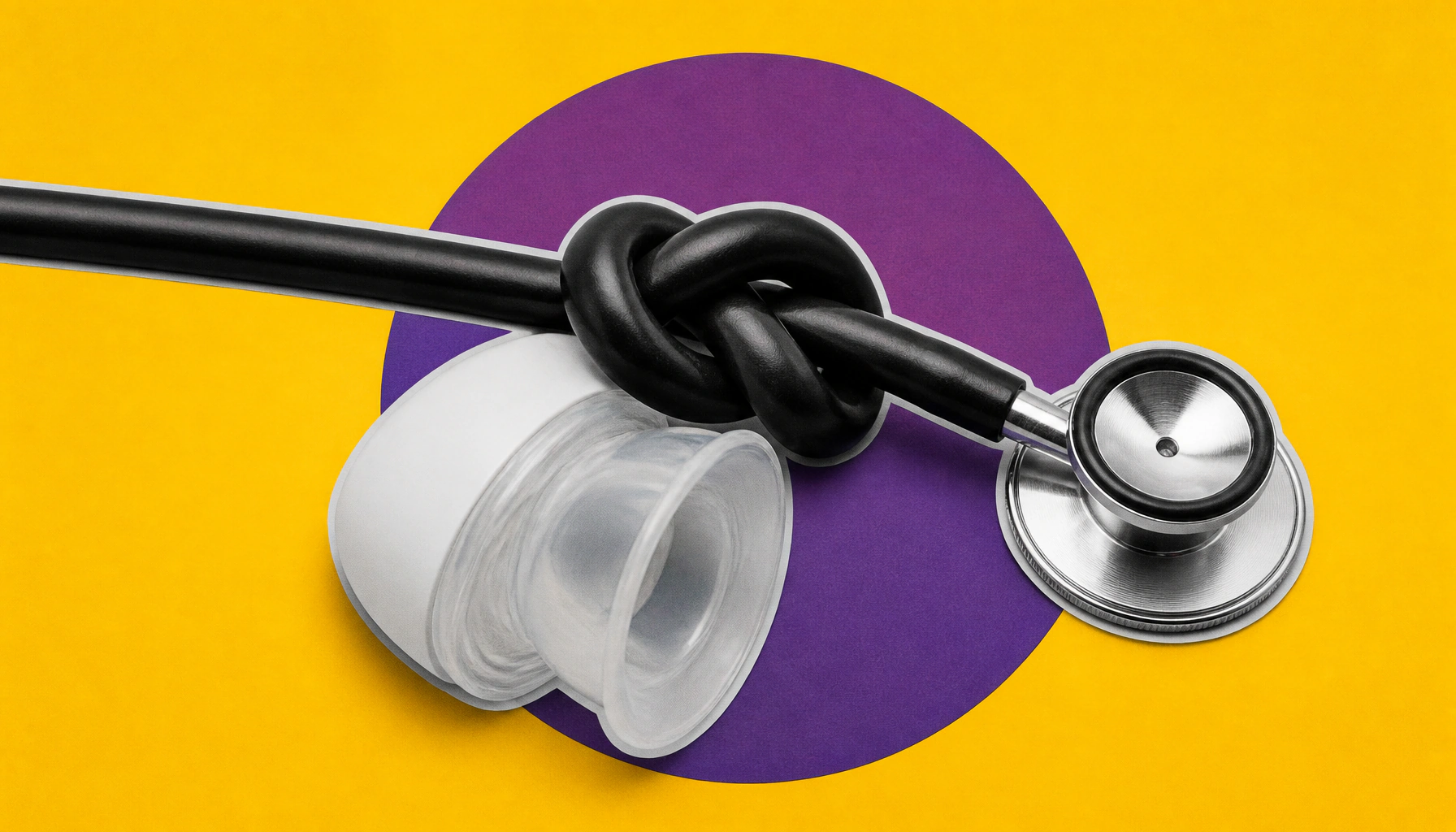
Physician parents are getting more support than ever, but the bar is still low. New research shows pregnant doctors actually increase their workloads in the first two trimesters, and U.S. paid leave policies continue to lag far behind other countries. A new intervention study offers a promising — and cost-effective — path forward.
Medicine has made real strides in supporting pregnant physicians and new parents, but experts say the system still has a long way to go. A new study found that physician workloads actually increased during the first two trimesters of pregnancy — the opposite of what researchers expected — as doctors tried to bank time before their leave. Meanwhile, U.S. paid parental leave policies remain far behind countries like Canada, where even surgeons (the specialty with the least leave) took a median of 19 weeks off.
A promising intervention study offers a concrete solution: pregnant residents who received a support package — including a wearable breast pump, virtual perinatal care, faculty mentorship, and a smart bassinet — had significantly lower burnout rates and career regret compared to those receiving standard care. The package costs roughly $2,300 per person, a fraction of the $7,600 cost attributed to physician burnout per individual.
By the Numbers:
Why it matters: With 47 states projected to face primary care physician shortages by 2037, retaining physicians — especially women — is a workforce crisis. Better parental support isn't just a fairness issue; it's a systemic investment with a measurable return.


