Loading Curie Briefs...
Getting the latest healthcare news for you
Getting the latest healthcare news for you

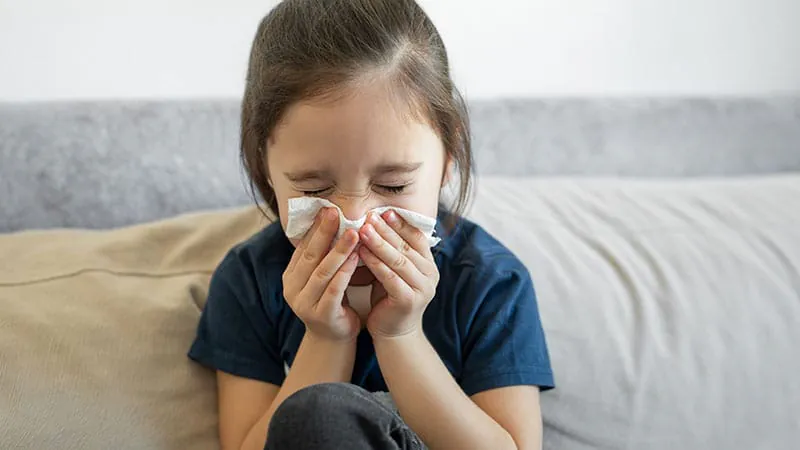
Antihistamines are a reliable first-line option for kids with allergic rhinitis. A new network meta-analysis confirms that oral antihistamines safely reduce nasal symptoms and improve quality of life in children with allergic rhinitis compared to placebo. However, adding leukotriene receptor antagonists (like montelukast) on top of antihistamines offered no meaningful additional benefit.
Antihistamines hold their own for kids with allergic rhinitis
A systematic review and network meta-analysis published in Pediatric Allergy and Immunology found that oral antihistamines are both safe and effective for managing allergic rhinitis in children — but adding leukotriene receptor antagonists (LTRAs) to the mix doesn't move the needle further.
The analysis pooled data from nine randomized controlled trials involving children aged 4 to 12 years with seasonal or perennial allergic rhinitis. Antihistamines outperformed placebo on nasal symptom scores and quality-of-life measures, while the combination of antihistamines plus LTRAs showed no additional benefit over antihistamines alone.
By the Numbers
Why it matters: For clinicians managing pediatric allergic rhinitis, this evidence supports antihistamines as a reliable first-line option — and suggests that routinely adding LTRAs may not be justified, helping simplify treatment regimens and reduce unnecessary medication burden in children.


