Loading Curie Briefs...
Getting the latest healthcare news for you
Getting the latest healthcare news for you

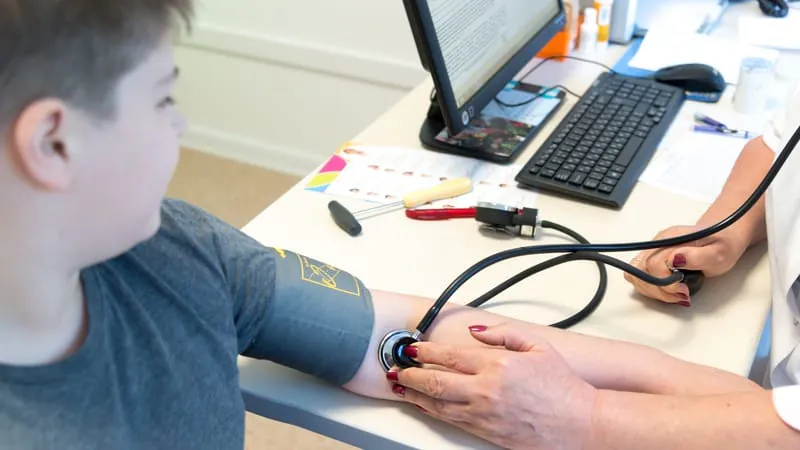
Childhood obesity risk could start in the womb. A landmark 26-year study found that biological markers in umbilical cord blood and early gut microbiota composition are linked to obesity risk decades later. Researchers say prevention may need to start during pregnancy — not just when a child steps on a scale.
The conventional conversation about childhood obesity — centered on diet, screen time, and exercise — may be missing a critical chapter: what happens before birth. A growing body of research suggests that metabolic risk for obesity can be shaped during pregnancy and the earliest days of life, long before a child develops eating habits.
A landmark study published in mSystems, following 16,600 participants over 26 years, found that proteomic signatures in umbilical cord blood — particularly elevated levels of ANGPTL4 — and early gut microbiota composition were associated with obesity risk decades later. Separately, a multi-omics analysis of 800+ European children linked maternal obesity and gestational diabetes to epigenetic changes affecting energy metabolism and inflammation. Animal studies also point to hypothalamic neural circuits that anticipate food intake — circuits that may be altered by the prenatal metabolic environment.
By the Numbers:
Why it matters: These findings reframe obesity as a chronic, complex, and biologically rooted condition — not a failure of willpower. For clinicians, it signals that prevention strategies may need to begin at preconception or during pregnancy, with greater attention to maternal metabolic health and early-life biomarkers.


