Loading Curie Briefs...
Getting the latest healthcare news for you
Getting the latest healthcare news for you

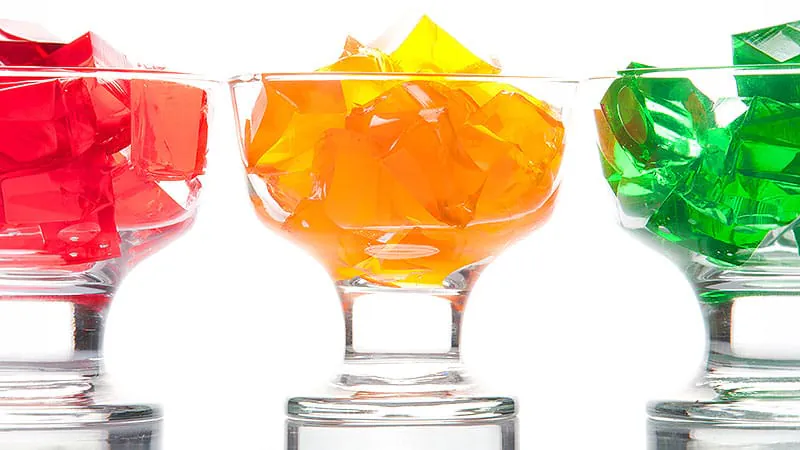
Social media is buzzing about gelatin as a cheap, prescription-free alternative to Ozempic for weight loss — but experts aren't buying it. While gelatin may promote short-term fullness and reduce calorie intake, it has no connection to the GLP-1 mechanism that makes drugs like Ozempic effective. Clinicians are urged to set the record straight with patients.
Social media is flooded with claims that a spoonful of unflavored gelatin before meals is "nature's Ozempic" — a cheap, easy way to suppress appetite and shed pounds. The trend has gone viral partly because the mechanism sounds simple ("it stretches your stomach and fills you up"), it's low-cost, and it appeals to the same crowd already into collagen and bone broth. Scam videos have even falsely attributed endorsements to celebrity physicians like Dr. Sanjay Gupta.
But experts are pumping the brakes. Max Brondfield, MD, a gastroenterologist at UCSF, explains that while gelatin may promote a feeling of fullness and nudge people to eat fewer calories, there's nothing uniquely powerful about it — and it has no relationship to the GLP-1 mechanism behind drugs like Ozempic. A recent study on a bovine collagen supplement showed only a modest weight-loss edge over water, and an older study found no long-term weight effects from gelatin in a high-protein diet.
Key Takeaways:
Why it matters: With GLP-1 medications dominating the weight-loss conversation, patients are increasingly turning to unproven alternatives. Clinicians need to be ready to address these trends directly and redirect patients toward evidence-based strategies.