Loading Curie Briefs...
Getting the latest healthcare news for you
Getting the latest healthcare news for you

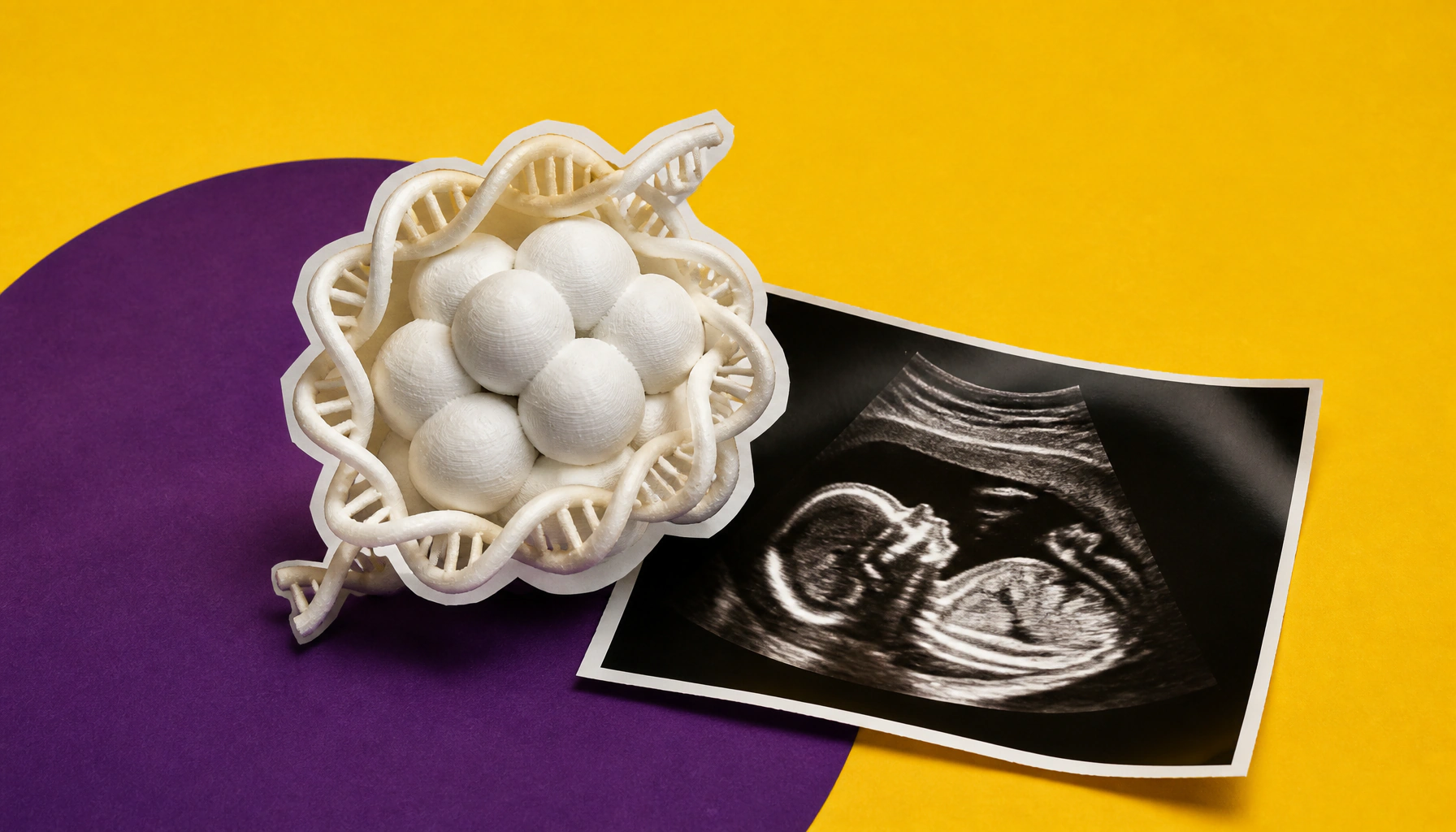
Your grandmother's health may have shaped yours. Scientists have discovered that a mother's age can influence her offspring's biology through reversible epigenetic changes — not permanent DNA mutations. The findings, published in The American Naturalist, suggest that biological "memories" of a mother's, grandmother's, or even great-grandmother's environment can echo across multiple generations.
Your grandmother's health may have shaped yours. Researchers at the Marine Biological Laboratory have found that maternal age effects — the ways a mother's age influences her offspring's traits and health — are likely driven by reversible epigenetic changes rather than permanent DNA mutations. Studying rotifers (tiny aquatic animals), the team showed these effects could be reversed within a single generation, ruling out the long-held theory that they stem from a gradual buildup of cellular damage or DNA errors.
The culprit appears to be histone modifications — molecular switches that turn gene expression on or off — along with a possible role for maternally inherited mitochondrial DNA. Interestingly, genetic variation also matters: in one rotifer strain, offspring of older mothers actually lived longer, hinting that some gene variants may buffer or even reverse the usual negative effects of advanced maternal age.
Key Takeaways
Why it matters: These findings could reshape how clinicians and researchers think about intergenerational health risks. If a mother's age leaves an epigenetic — and reversible — imprint, it opens the door to future interventions in precision medicine that account not just for an individual's genome, but for the biological legacy passed down through generations of maternal lineage.