Loading Curie Briefs...
Getting the latest healthcare news for you
Getting the latest healthcare news for you

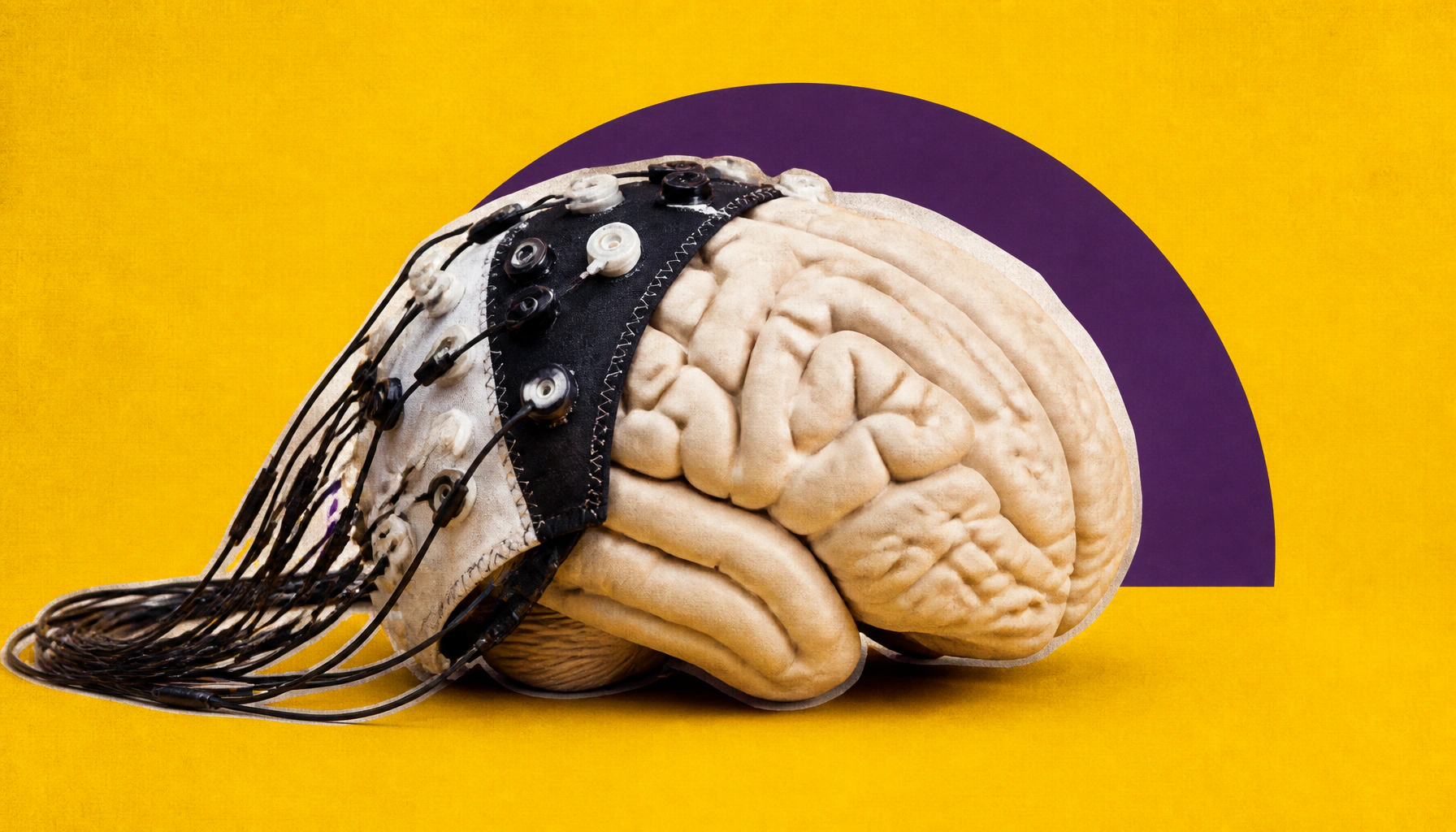
New research from the University of Iowa reveals that the frontoparietal cortex — the brain's "information hub" — dynamically reshuffles its connections with other brain regions when faced with uncertainty, rather than simply ramping up activity. The findings shed light on how the brain integrates incomplete information to guide decisions, and could inform future research on ADHD and schizophrenia.
The brain doesn't just work harder when things get complicated — it works differently. A new study from the University of Iowa, published in the Journal of Neuroscience, reveals that the frontoparietal cortex — the brain's central "information hub" — actively reorganizes its communication pathways in real time when uncertainty arises during decision-making. Think of it like an air traffic controller who doesn't just get busier during a storm — they completely reroute traffic.
Using a combination of functional MRI and computational modeling, researchers had 38 participants learn color-face-scene associations tied to specific button-press responses — then changed the rules mid-task to introduce uncertainty. The results showed that the frontoparietal cortex selectively shifts which brain regions it communicates with depending on what type of information is needed at each stage of a decision, rather than simply increasing overall activity.
Key Takeaways:
Why it matters: Understanding how the brain's information hub rewires itself could open new avenues for diagnosing and treating psychiatric and neurological conditions where flexible decision-making breaks down — from ADHD to schizophrenia.