Loading Curie Briefs...
Getting the latest healthcare news for you
Getting the latest healthcare news for you

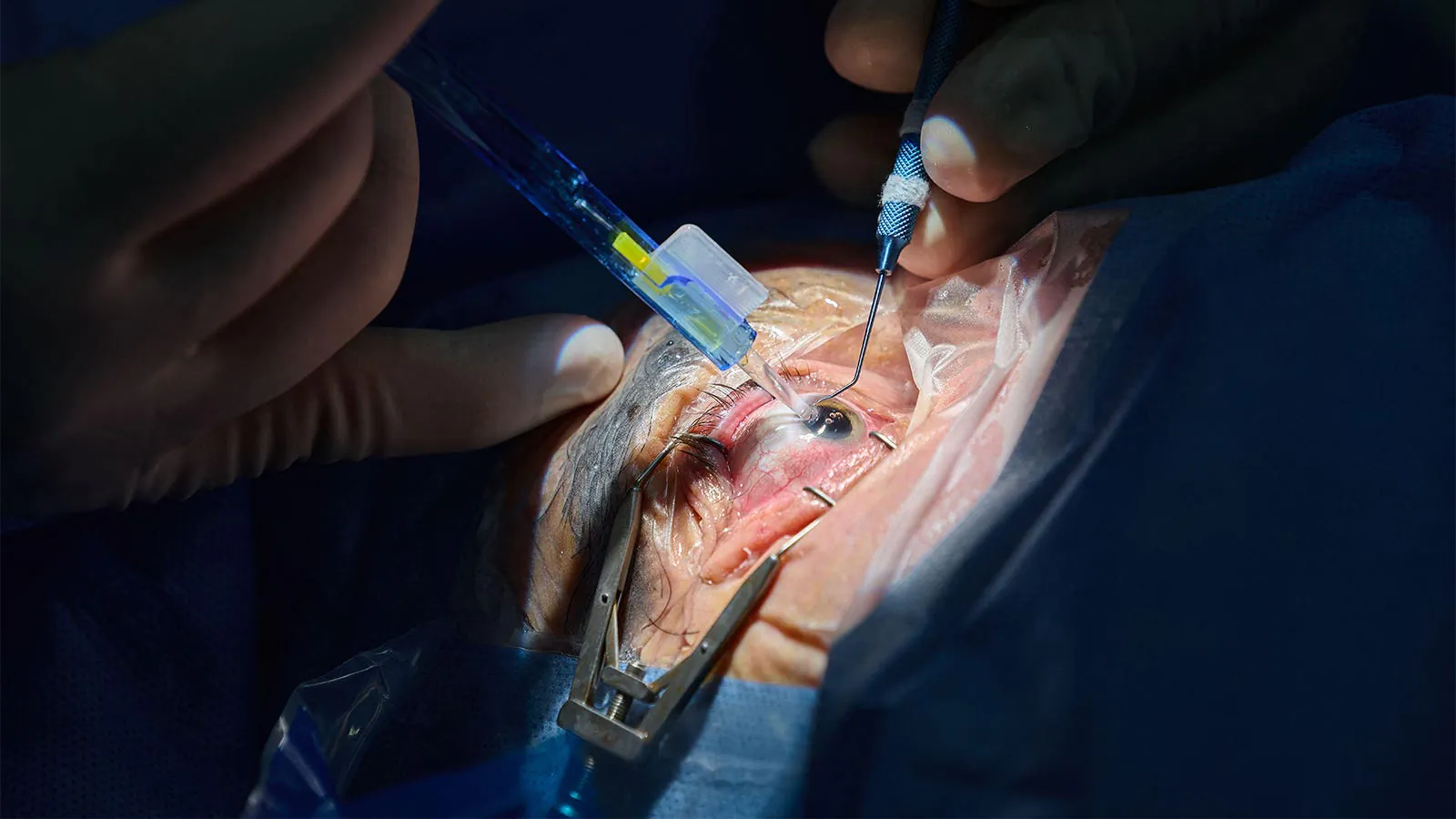
As Medicare trims cataract surgery reimbursements, ophthalmologists are increasingly offering laser-assisted procedures — charging patients $1,000–$3,000 per eye out-of-pocket. The catch? Research shows the laser doesn't actually produce better outcomes than the traditional scalpel. Patients are paying a premium for precision that experts say may be driven more by financial pressures than clinical benefit.
As Medicare continues to reduce what it pays for cataract surgery — now around $520 per procedure, down roughly 20% over the past decade — ophthalmologists are increasingly turning to laser-assisted surgery as a revenue supplement. While Medicare generally bars doctors from billing patients beyond its set rates, an exception exists when lasers are used for vision correction (like fixing astigmatism or implanting premium lenses), allowing doctors to charge patients $1,000–$3,000 per eye out-of-pocket.
Multiple studies and the American Academy of Ophthalmology itself acknowledge that laser-assisted cataract surgery does not result in fewer complications or better outcomes compared to the traditional scalpel method. Still, nearly 12% of the 5 million annual cataract surgeries in the U.S. are now laser-assisted — and that share is growing. Some surgeons argue the laser offers greater precision, especially for premium lens implantation, while others note that the significant cost of laser equipment (up to $500,000 per practice) creates a strong financial incentive.
By the Numbers:
Why it matters: With Medicare reimbursements shrinking, the shift toward laser cataract surgery highlights a broader tension in healthcare — where financial pressures on providers can quietly shape clinical recommendations, sometimes at patients' expense.


