Loading Curie Briefs...
Getting the latest healthcare news for you
Getting the latest healthcare news for you

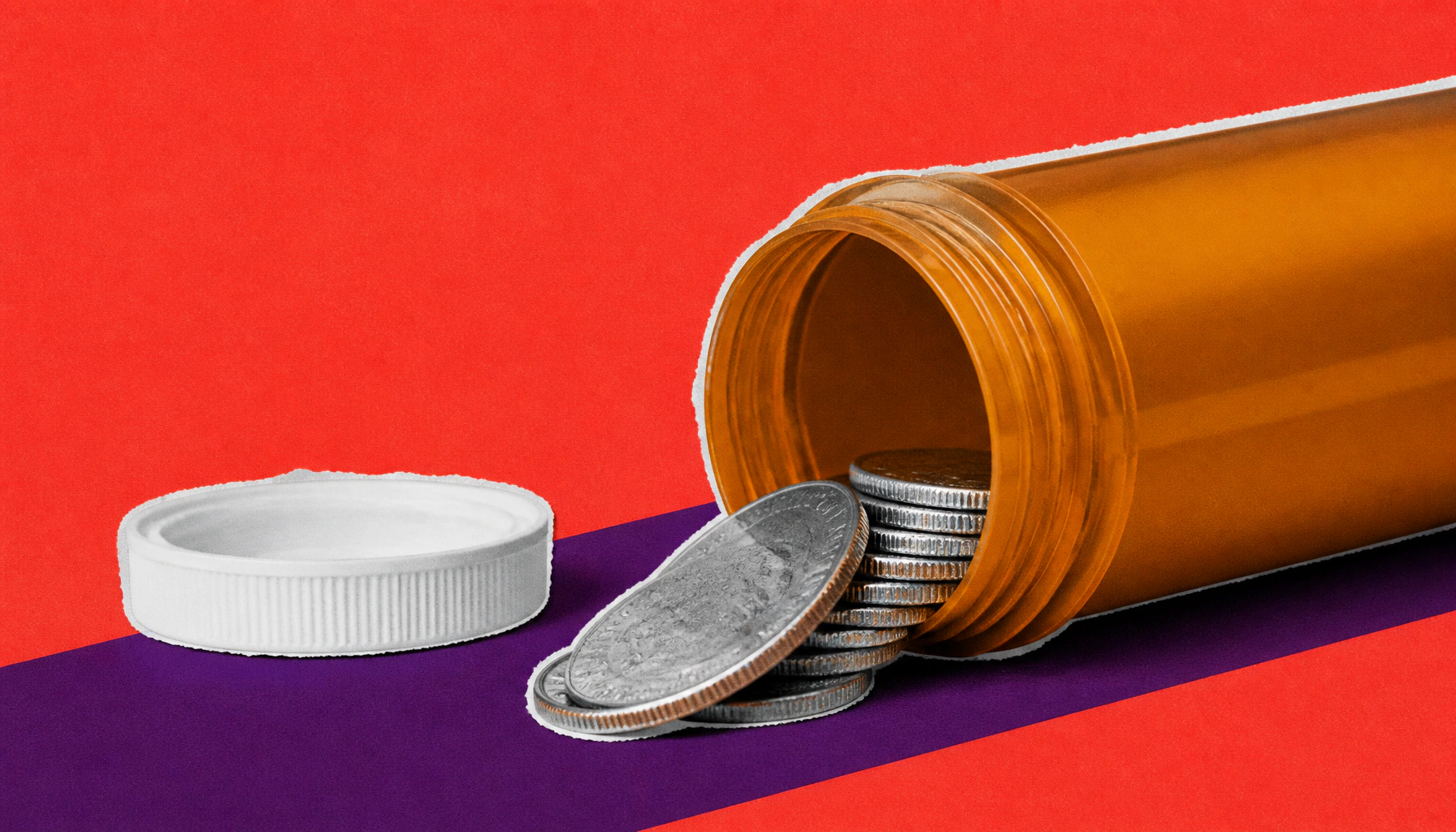
Think that supplement is backed by solid science? Think again. Research presented at the International Extreme Sports Medicine Congress reveals that much of the published literature on dietary supplements is low quality, frequently industry-funded, and plagued by data manipulation. Experts say clinicians need to step up and cut through the noise before patients get their nutrition advice from social media instead.
The supplement aisle may look well-researched, but a closer look at the science tells a different story. At the International Extreme Sports Medicine Congress, researcher Nicholas Tiller, PhD, warned that published literature on dietary supplements is often low quality and heavily influenced by manufacturer funding — making relying on it "a bit of a gamble."
An anonymous survey of exercise scientists revealed troubling practices: over 4% admitted to fabricating or falsifying data, 21% excluded variables from analyses, one-third published the same data in multiple journals, and half admitted to "P hacking" — cherry-picking the statistical test that produced the most favorable result. These habits fuel publication bias, with the vast majority of studies conveniently confirming their own hypotheses.
Why it matters: With patients increasingly turning to social media for nutrition guidance, clinicians are on the front lines of combating misinformation. Experts urge physicians to proactively discuss supplement evidence — or lack thereof — with patients before influencers fill the gap.


