Loading Curie Briefs...
Getting the latest healthcare news for you
Getting the latest healthcare news for you

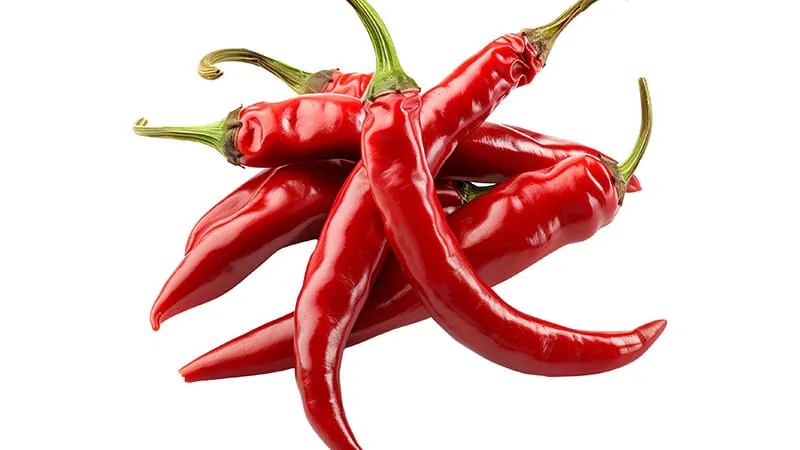
What starts as a social media dare can end in a medical emergency. Health authorities in France and the EU are raising red flags about extreme spicy food challenges, especially among adolescents, after reports of serious reactions — including one teen's death. Capsaicin, the compound behind the burn, can trigger everything from gut pain to cardiac events at high doses.
Fueled by shows like Hot Ones and social media trends, extreme spicy food challenges have gone from niche entertainment to a genuine public health concern. France's food safety agency, ANSES, has issued a formal warning after tracking 124 cases of illness linked to spicy food consumption between 2021 and 2025 — with 39% occurring during a challenge. Adolescents aged 10–15 made up 65% of challenge participants, and spicy chips were involved in 83% of those cases.
The culprit is capsaicin, the active compound in chili peppers, which tricks the nervous system into sensing intense heat without any actual temperature change. At high doses, it can cause serious gastrointestinal distress, elevated blood pressure, palpitations, and even loss of consciousness. In 2023, a 14-year-old in the US died of cardiopulmonary arrest after eating an ultra-spicy chip as part of the "One Chip Challenge."
By the Numbers:
Why it matters: Children, teens, and those with digestive or cardiovascular conditions face the greatest risk. The European Food Safety Authority is currently assessing capsaicin's health risks, with findings expected by end of 2027. In the meantime, ANSES urges consumers to read labels carefully and avoid extreme challenges altogether.


