Loading Curie Briefs...
Getting the latest healthcare news for you
Getting the latest healthcare news for you


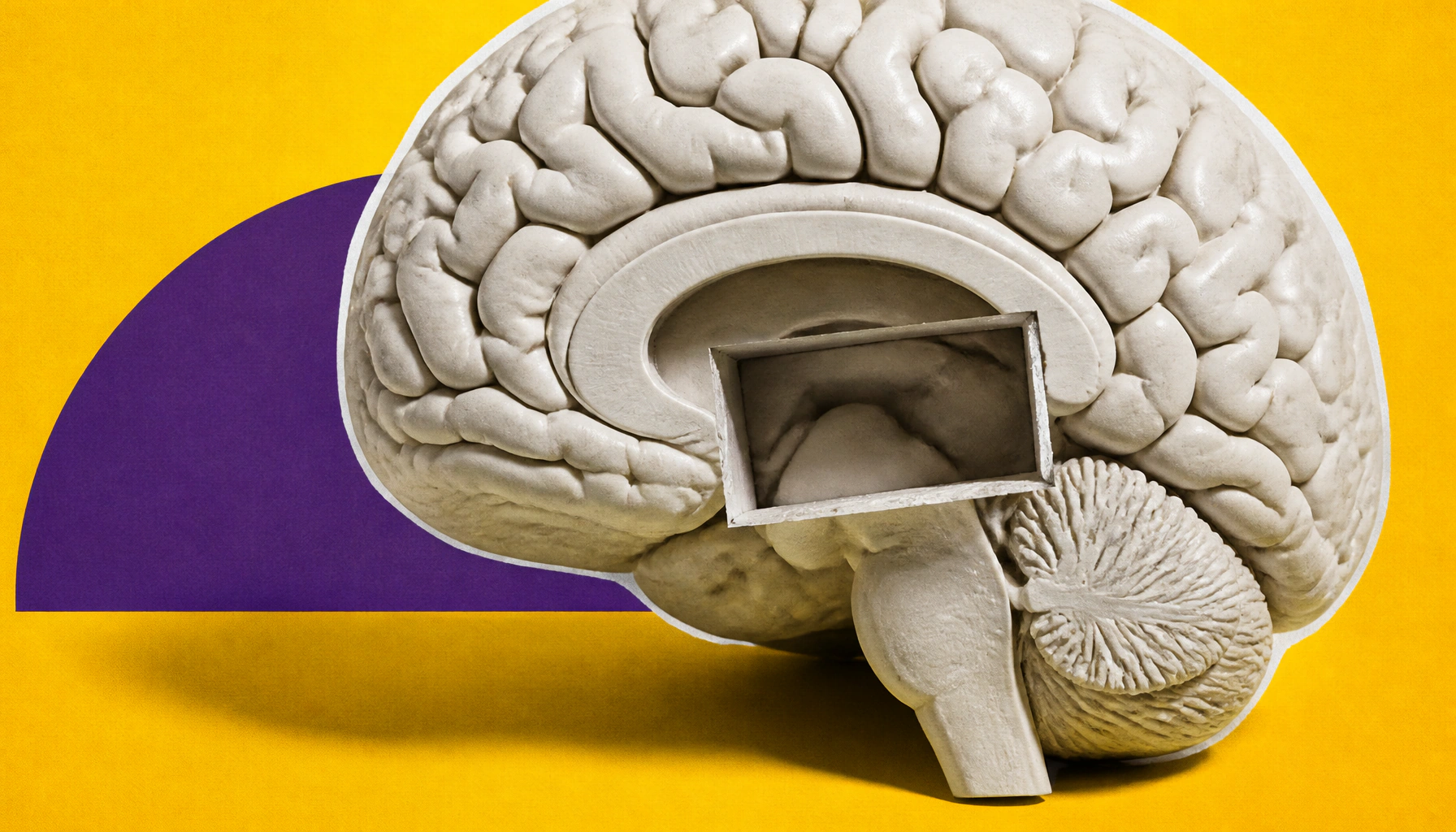
After a high-profile trial failure in 2017, researchers are betting big on deep brain stimulation (DBS) for treatment-resistant depression. The new TRANSCEND trial has enrolled patients across 25 US sites, armed with better targeting techniques, stricter patient selection, and a longer blinded phase. The stakes couldn't be higher — another miss could set the field back indefinitely.
After a high-profile stumble in 2017, deep brain stimulation (DBS) for treatment-resistant depression (TRD) is getting a carefully engineered second chance. The BROADEN trial — the largest randomized study of DBS for TRD — showed no significant difference between active and sham stimulation at 6 months (20% vs. 17% response rate), leading many to declare the approach dead. But investigators argued the trial failed, not the treatment, pointing to open-label data showing response rates climbing to 53% at 18 months.
The new TRANSCEND trial, now enrolling at up to 25 US sites, incorporates key lessons from BROADEN. Researchers discovered that electrode placement was a critical flaw — using diffusion tractography to precisely target the convergence of four white-matter fiber bundles boosted response rates to over 70% at 6 months and 82% at 1 year. TRANSCEND adds centralized electrode placement verification, narrower patient phenotyping, a 12-month (vs. 6-month) blinded phase, and allows concurrent psychotherapy.
By the Numbers:
Why it matters: For patients who've exhausted every other treatment option, DBS represents a potential lifeline. If TRANSCEND succeeds, it could open the door to a durable, adjustable therapy for one of psychiatry's hardest-to-treat conditions — but another failed trial could close that door for good.