Loading Curie Briefs...
Getting the latest healthcare news for you
Getting the latest healthcare news for you

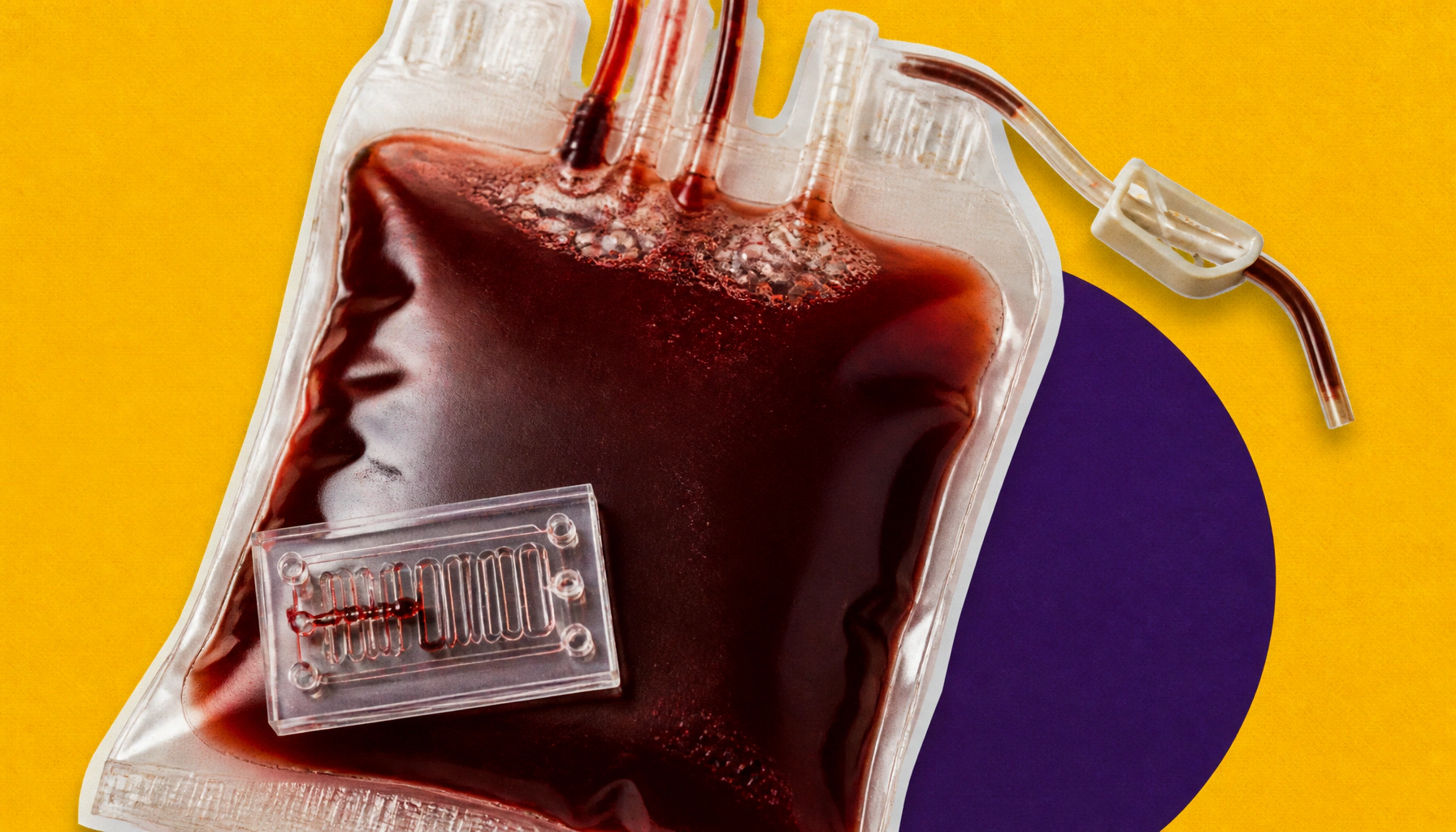
Scientists at Ohio State University have engineered nanocarriers from red blood cell lipids that can evade the immune system and target cancer cells. Built using microfluidics, these tiny vesicles can carry genetic material, proteins, and even whole viruses used in gene therapy. The approach is also sustainable — it repurposes expired red blood cells that would otherwise be discarded.
Researchers at The Ohio State University have developed a new class of engineered nanocarriers inspired by red blood cells (RBCs), and they could change how we deliver gene therapies and cancer treatments. By assembling extracellular vesicles (EVs) from RBC lipids using microfluidics, the team created highly biocompatible particles that closely mimic naturally occurring EVs — giving them a built-in ability to fly under the immune system's radar.
In mouse studies, the vesicles circulated through the body and distributed to multiple organs similarly to natural EVs, with notable accumulation in the lungs. Attaching a CD47 peptide to the surface shielded them from being flagged and destroyed by immune cells, while adding PD-L1-targeting molecules allowed them to preferentially home in on breast cancer tumors — a mechanism reminiscent of CAR T-cell therapy, but using a patient's own RBC lipids.
Key Takeaways:
Why it matters: Current gene therapy delivery systems like AAVs can trigger immune responses that limit their effectiveness. By encasing AAVs inside engineered RBC vesicles, researchers showed the therapy still worked — and was shielded from neutralizing antibodies. This platform could open new doors for safer, more targeted treatments across oncology and beyond.