Loading Curie Briefs...
Getting the latest healthcare news for you
Getting the latest healthcare news for you

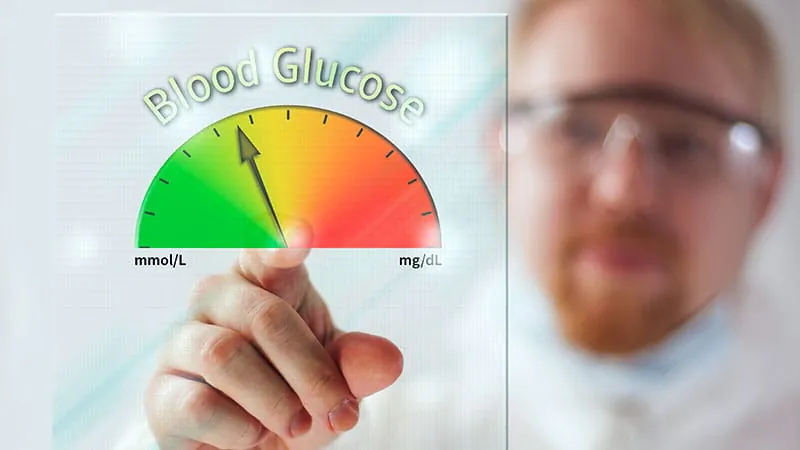
Adding GIP to semaglutide didn't budge blood sugar levels in a new trial, raising questions about what's really driving tirzepatide's impressive results. Researchers found no meaningful glycemic benefit when GIP was layered onto the GLP-1 agonist over 6 weeks. The findings suggest tirzepatide's edge may come from GLP-1 effects — or GIP's role in tolerating higher doses — rather than direct glucose control.
A new study published in The Lancet Diabetes & Endocrinology is stirring up debate about one of diabetes medicine's hottest drug classes. Researchers found that adding glucose-dependent insulinotropic polypeptide (GIP) to semaglutide — a leading GLP-1 receptor agonist — produced no meaningful improvement in blood sugar control in people with type 2 diabetes over 6 weeks. That's a significant finding because tirzepatide, one of the most effective diabetes and weight-loss drugs on the market, works by targeting both GIP and GLP-1 receptors.
So if GIP isn't directly improving glycemia, why does tirzepatide outperform semaglutide? Experts point to two leading theories: GIP may reduce nausea and vomiting, allowing patients to tolerate higher tirzepatide doses; or tirzepatide's unique receptor signaling may avoid the dose-limiting desensitization seen with high-dose semaglutide. Researchers plan follow-up studies with higher GIP doses and longer durations to probe the mechanism further.
Key Takeaways:
Why it matters: These findings challenge assumptions about how dual GIP/GLP-1 drugs like tirzepatide work — and could shape how next-generation incretin-based therapies are designed and dosed.