Loading Curie Briefs...
Getting the latest healthcare news for you
Getting the latest healthcare news for you

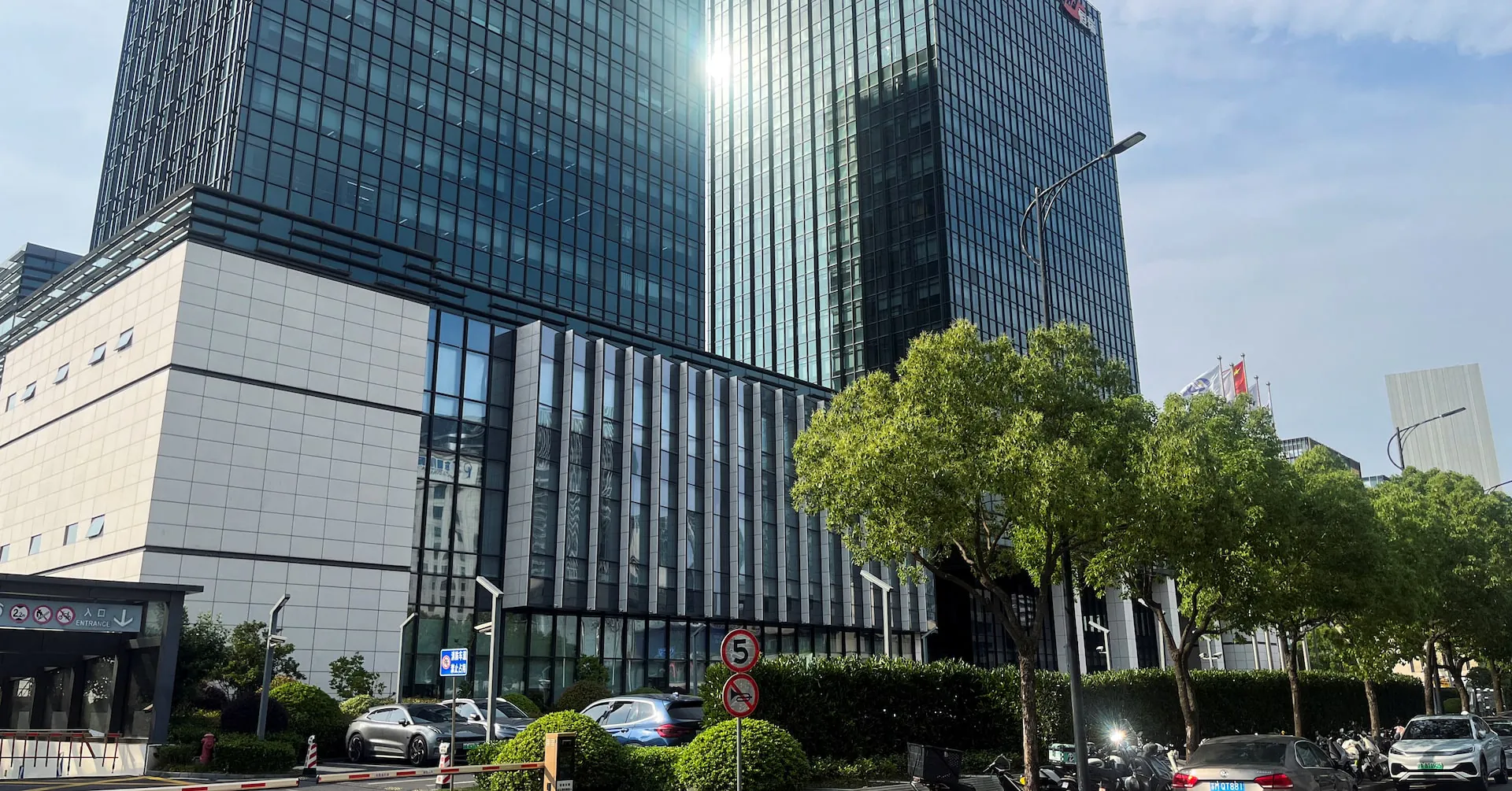
China's largest drugmaker, Jiangsu Hengrui Pharmaceuticals, posted nearly flat profit growth in the first half of 2026 as government bulk-procurement programs dragged down its generics business. Generics revenue fell over 16%, but innovative oncology drugs surged to make up nearly two-thirds of pharmaceutical revenue. The results still missed analyst expectations on both profit and revenue.
China's biggest drugmaker by market value, Jiangsu Hengrui Pharmaceuticals, is feeling the pinch of the country's bulk-procurement policy — a government initiative designed to slash drug costs by forcing competitive bidding on generic medicines. In the first half of 2026, Hengrui's generics revenue dropped 16% year-on-year, and the company said it has deliberately pulled back investment in that segment.
The silver lining? Hengrui's innovative drug portfolio — especially in oncology — is stepping up. Revenue from innovative drugs jumped over 16% to 8.8 billion yuan, now accounting for more than 63% of total pharmaceutical revenue. This shift signals a broader strategic pivot away from generics and toward higher-margin, proprietary therapies.
By the Numbers:
Why it matters: Hengrui's results are a real-world snapshot of how China's cost-containment health policies are reshaping the pharmaceutical landscape — pushing companies away from generics and toward innovation. For global healthcare watchers, it's a signal that China's drug market is maturing, with policy levers actively steering industry strategy.


